For Appointments:

Dindigul: +91 98421 02384
Madurai: +91 73737 36096

Connect With Us:

Life After Full Mouth Implant Rehabilitation: What to Expect

Full mouth implant rehabilitation can be a life-changing treatment for people who have lost most or all of their teeth, have severely damaged teeth or are struggling with loose and uncomfortable dentures. But while the treatment itself receives much of the attention, patients often have an equally important question:

What happens after full mouth implant rehabilitation?

Life after treatment involves a period of healing, adjustment and follow-up care. As your mouth adapts to your new teeth, you may gradually regain functions that tooth loss can make difficult, such as chewing, speaking and smiling confidently.

Here is what you can expect after full mouth implant rehabilitation at one of the best dental clinic in Madurai and Dindigul, and how to care for your new implant-supported teeth for the long term.

What Is Full Mouth Implant Rehabilitation?

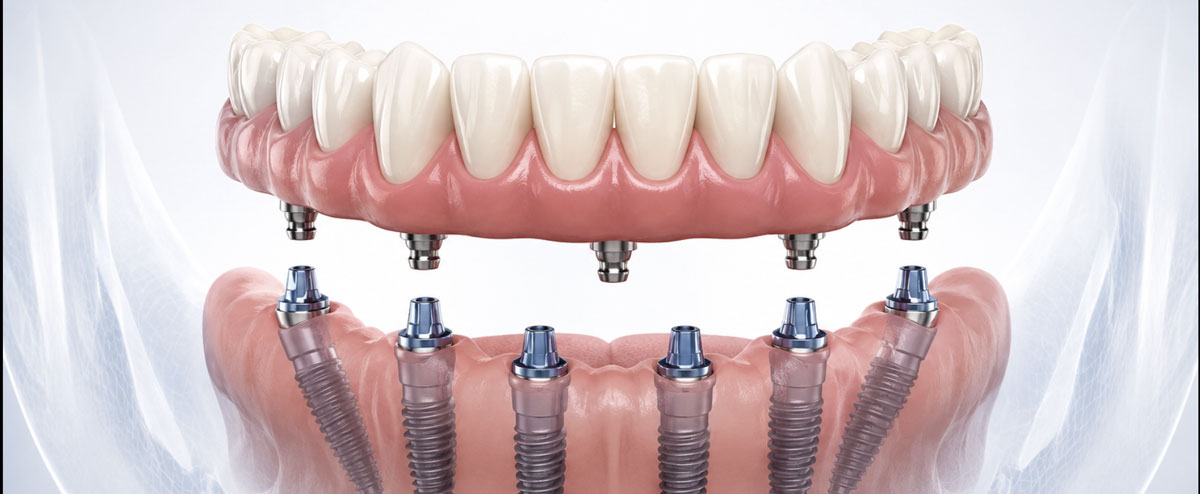
Full mouth implant rehabilitation is a comprehensive treatment used to replace all or most missing teeth in one or both arches.

Depending on the patient’s condition and treatment plan, it may involve:

  • Dental implants placed in the jawbone
  • Implant-supported fixed teeth
  • Temporary teeth during the healing phase, where clinically appropriate
  • A final implant-supported prosthesis designed for long-term function and aesthetics

Every case is different. The number and position of implants, type of prosthesis and treatment timeline depend on factors such as bone availability, oral health, bite, aesthetic requirements and overall treatment goals.

For patients with severe bone loss in the upper jaw, advanced treatment options such as zygomatic implants may also be considered in carefully selected cases.

The First Few Days After Implant Surgery

The first few days after surgery are primarily focused on healing.

It is normal to experience some degree of:

  • Swelling
  • Mild to moderate discomfort
  • Tenderness around the surgical area
  • Temporary difficulty eating certain foods
  • Slight bruising in some cases

Your dental team will provide specific instructions regarding medication, oral hygiene and diet. Following these instructions carefully is essential for a smooth recovery.

What Should You Eat?

Immediately after surgery, you may need to follow a soft-food diet based on your clinician’s recommendations.

Suitable foods may include:

  • Soft-cooked vegetables
  • Yogurt
  • Eggs
  • Soft rice preparations
  • Soups that are not excessively hot
  • Mashed foods
  • Other foods recommended by your dental team

Even if temporary fixed teeth are provided, it is important not to assume that you can immediately eat hard or highly chewy foods. The healing implants need protection while they integrate with the surrounding bone.

Adjusting to Your New Teeth

Whether you receive an immediate temporary restoration or a final prosthesis later in the treatment process, your mouth needs time to adapt.

Initially, your new teeth may feel different from your natural teeth. This does not necessarily mean there is a problem. Your tongue, lips, cheeks and jaw muscles may need time to adjust to the new tooth shape, position and bite.

You may notice changes in:

Speaking

Certain words may feel different to pronounce initially. Your tongue needs to adapt to the contours and position of your new teeth.

For most patients, speech improves as they become accustomed to the prosthesis. Reading aloud and practising normal conversation can help you adapt.

Chewing

After years of missing or damaged teeth, chewing with a stable implant-supported restoration can feel significantly different.

However, chewing should be reintroduced gradually according to your dentist’s instructions. The type of foods you can eat will depend on your stage of healing and the type of restoration provided.

Your Bite

Your bite may feel unfamiliar at first, particularly if your previous teeth were severely worn, missing or positioned incorrectly.

Full mouth rehabilitation is designed to restore a planned relationship between the upper and lower teeth. Small adjustments may sometimes be required during follow-up appointments to ensure comfort and proper function.

The Healing Period: Why It Is So Important

Dental implants require time to integrate with the surrounding bone. This biological process is called osseointegration.

During this period, the stability of the implants and the forces placed on them need to be carefully managed.

Your treatment may involve several stages, depending on your individual clinical situation. Some patients may receive immediate fixed teeth, while others may require a different approach.

It is important to understand that having teeth fixed on the same day does not mean the healing process is complete. The temporary restoration, diet and bite may need to be managed carefully while your implants heal.

Regular follow-up visits allow your dental team to monitor healing and make any necessary adjustments.

What Happens When You Receive Your Final Teeth?

Once your dentist determines that the implants and surrounding tissues are ready, the final prosthesis can be planned and fabricated.

This is where precision becomes particularly important.

A full-mouth implant restoration must consider more than simply replacing missing teeth. The final prosthesis needs to work with your:

  • Facial appearance
  • Smile line
  • Lip support
  • Speech
  • Bite
  • Jaw movements
  • Chewing function
  • Implant positions

At Maeoris Dental clinic, advanced digital workflows support the planning and fabrication of complex implant restorations. Our experience with in-house digital prosthetic workflows, implant planning and advanced technologies helps us maintain precision across different stages of full-mouth rehabilitation.

For full-arch restorations, accurate recording of implant positions is particularly important. Advanced digital technologies, including intraoral scanning and photogrammetry workflows, can support highly precise capture of implant positions for the fabrication of implant-supported prostheses.

How Will Your New Teeth Feel?

Implant-supported teeth are stable and designed to function like teeth, but they are not biologically identical to natural teeth.

Natural teeth are connected to the jaw through a periodontal ligament, while dental implants integrate directly with the surrounding bone. Therefore, the sensation and feedback associated with chewing may be different.

Over time, however, many patients become comfortable and confident using their implant-supported teeth as part of their daily routine.

The goal of rehabilitation is to restore stable function while creating a smile that feels natural in everyday life.

Can You Eat Normally After Full Mouth Implant Rehabilitation?

In the long term, many patients can enjoy a much wider range of foods than they could with loose or poorly fitting dentures.

However, the transition should always follow your dentist’s recommendations.

During the early healing phase, you may need to avoid foods that place excessive force on the implants or temporary restoration. Once healing is complete and the final teeth are placed, you can gradually return to a more normal diet as advised.

Even with a successful implant-supported restoration, it is wise to avoid using your teeth as tools or repeatedly biting extremely hard objects.

Good chewing habits and regular maintenance help protect both the prosthesis and the implants.

How Do You Clean Full Mouth Implant-Supported Teeth?

Dental implants cannot develop cavities in the same way natural teeth do, but this does not mean they are maintenance-free.

Plaque and bacteria can still accumulate around implants and the prosthesis. Without proper cleaning and professional care, inflammation can develop in the tissues surrounding an implant.

Your home-care routine may include, depending on your restoration design:

  • Brushing as recommended by your dental team
  • Cleaning carefully around the gum line
  • Special interdental brushes
  • Floss or implant-specific cleaning aids where appropriate
  • Water irrigation devices if recommended
  • Cleaning beneath the prosthesis in areas that are accessible

The exact cleaning technique depends on the type of full-mouth restoration you have. Your dental team should demonstrate how to clean around and beneath your specific prosthesis.

Do not rely on a general cleaning routine from the internet when you have a complex implant restoration. The design of your prosthesis determines which areas require special attention.

Why Are Regular Follow-Up Visits Necessary?

Regular maintenance appointments are an important part of life after full mouth implant rehabilitation.

These visits allow your dental team to assess:

  • The health of the tissues around the implants
  • Plaque and calculus accumulation
  • Your bite
  • The condition of the prosthesis
  • Wear or damage to prosthetic components
  • Any changes in your oral health

Implant-supported teeth can last for many years, but long-term success depends on several factors, including oral hygiene, regular maintenance, bite forces and overall patient care.

Small concerns identified early can often be managed before they become more complicated.

What If Something Feels Loose or Uncomfortable?

Contact your dental team if you notice:

  • A feeling that the restoration is moving
  • A change in your bite
  • Persistent pain or discomfort
  • Swelling or bleeding around the implants
  • Difficulty chewing that was not present before
  • A cracked or damaged prosthetic tooth
  • A screw-related or other mechanical concern identified by your dentist

Do not attempt to repair or adjust an implant-supported prosthesis yourself.

A change that appears minor may require professional evaluation to protect the implants and restoration.

What Are the Long-Term Expectations?

A well-planned and properly maintained full-mouth implant rehabilitation can provide long-term functional and aesthetic benefits.

However, implants and implant-supported prostheses require ongoing care. Your long-term commitment should include:

1. Daily Oral Hygiene

Clean your teeth and the areas around your implants according to the instructions provided for your specific prosthesis.

2. Regular Professional Maintenance

Do not skip follow-up appointments simply because your teeth feel comfortable. Implant health should be monitored regularly.

3. Protecting Your Teeth From Excessive Force

If you grind or clench your teeth, your dentist may recommend additional protective measures, such as a night guard, depending on your situation.

4. Reporting Changes Early

Bleeding, swelling, looseness or changes in your bite should be assessed rather than ignored.

The Emotional Side of Getting Your Smile Back

The impact of full mouth rehabilitation is not always limited to chewing and speaking.

For someone who has spent years hiding their smile, avoiding certain foods or struggling with loose teeth, the transition can also bring significant emotional changes.

Patients may gradually become more comfortable:

  • Smiling in photographs
  • Speaking in social situations
  • Eating in front of others
  • Meeting new people
  • Participating in everyday activities without worrying about their teeth

At the same time, adjusting to a completely new smile can take time. The appearance and function of your teeth may feel unfamiliar initially, particularly if you have lived with missing or damaged teeth for many years.

Allow yourself time to adapt and communicate openly with your dental team about any concerns.

Advanced Digital Planning for Complex Full Mouth Rehabilitation

Full mouth implant rehabilitation requires careful planning because every stage can affect the final outcome.

At Maeoris Dental Clinic, digital dentistry has been part of our clinical evolution for more than a decade. From early adoption of CBCT imaging and CAD-CAM prosthetics to intraoral scanning, in-house milling and advanced implant workflows, our focus has been on improving precision and clinical control across complex treatments.

Our advanced digital capabilities include technologies that support:

  • Detailed implant treatment planning
  • Digital impressions and intraoral scanning
  • Guided and dynamic navigation workflows
  • Precise capture of implant positions for full-arch prosthetics
  • In-house fabrication of selected prosthetic components
  • Coordination between surgical and prosthetic planning

For patients requiring complex rehabilitation, this level of planning can help create a more coordinated approach from implant placement to the final teeth.

Looking for Full Mouth Implant Rehabilitation in Madurai or Dindigul?

If you are considering a full mouth implant rehabilitation, a comprehensive consultation is the first step. Every patient has different levels of bone support, oral health needs, aesthetic expectations and functional requirements.

At Maeoris Dental Clinic, we combine extensive experience in implant dentistry with advanced digital workflows for the planning of complex implant rehabilitation.

Whether you are looking for full mouth dental implants in Madurai, full mouth dental implants in Dindigul, or a best dental clinic in Madurai or best dental clinic in Dindigul for advanced implant treatment, our team can assess your individual condition and discuss the treatment options appropriate for you.

Frequently Asked Questions

How long does it take to recover after full mouth implant surgery?

Recovery varies depending on the complexity of treatment, number of implants, bone condition and the type of restoration provided. Your dentist will give you a specific recovery and dietary plan based on your case.

Can I eat normally after full mouth implants?

Many patients can return to a wider range of foods after healing and completion of the rehabilitation. However, the transition should be gradual and follow your dentist’s recommendations.

Do full mouth dental implants require special cleaning?

Yes. Although implants do not get cavities like natural teeth, the tissues around them still require careful cleaning. Your dentist will recommend a hygiene routine based on your specific prosthesis.

How long do full mouth implant restorations last?

Longevity varies depending on oral hygiene, regular maintenance, bite forces, the condition of the implants and other individual factors. Both the implants and prosthetic components require ongoing monitoring.

Can full mouth implants be done in one day?

Some carefully selected patients may receive fixed temporary teeth on the same day as implant placement. However, treatment and healing continue after surgery, and the final prosthesis may be provided at a later stage depending on the treatment plan.

What should I expect after getting full mouth implants?

You can expect a healing period, an adjustment phase and regular follow-up care. Over time, many patients adapt to improved stability for chewing, speaking and smiling, while continuing a dedicated home-care and maintenance routine.
Book an appointment today.

How Bone Loss Progresses After Tooth Loss and How Dental Implants Help: Experts From Maeoris Dental Clinic Explains

Many people believe that losing a tooth is primarily an aesthetic concern. While a missing tooth can certainly affect your appearance and confidence, the real problem often begins beneath the gums.

When a tooth loss happens and is not replaced, the jawbone that once supported it begins to shrink. This process, known as bone resorption, can lead to significant oral health complications over time.

At Maeoris Dental Clinic, one of the best dental clinics in Madurai and Dindigul, we frequently see patients who are unaware of how quickly bone loss can progress after tooth loss. Understanding this process can help you make informed decisions about replacing missing teeth before permanent damage occurs.

Why Does Bone Loss Occur After Tooth Loss?

Your teeth play a vital role in maintaining the health and strength of your jawbone.

Every time you chew, bite, or speak, the roots of your teeth stimulate the surrounding bone. This stimulation signals the body to maintain healthy bone density.

When a tooth loss happens, the stimulation stops.

As a result, the body begins to reabsorb the unused bone tissue, causing the jawbone to gradually shrink. This process starts much sooner than most people realise.

How Fast Does Bone Loss Progress After Tooth Loss?

Bone loss can begin within the first few months after tooth extraction or tooth loss.

Research has shown that:

  • Significant bone reduction can occur within the first six months of tooth loss.
  • Up to 25% of bone width may be lost during the first year.
  • Bone loss continues gradually throughout life if the missing tooth is not replaced.

The longer a tooth remains missing, the greater the amount of bone that can be lost.

Consequences of Jawbone Loss

Changes in Facial Appearance

The jawbone supports the muscles and soft tissues of the face.

As bone volume decreases, patients may notice:

  • Sunken cheeks
  • Premature facial ageing
  • Wrinkles around the mouth
  • Reduced facial support

This is one reason why people with multiple missing teeth often appear older than their actual age.

Shifting of Adjacent Teeth

When a tooth is missing, neighbouring teeth may begin to drift into the empty space.

This can lead to:

  • Crooked teeth
  • Bite problems
  • Difficulty cleaning teeth
  • Increased risk of decay and gum disease

Difficulty Chewing

Bone loss can affect chewing efficiency and overall comfort while eating. Many patients start avoiding certain foods, which may impact nutrition and quality of life.

Future Treatment Becomes More Complex

The longer bone loss continues, the more difficult it may become to place dental implants. In advanced cases, additional procedures such as bone grafting may be required before implant placement.

Why Dental Implants Are Different

Traditional solutions such as bridges and dentures replace the visible portion of a missing tooth.

Dental implants are unique because they replace both the tooth root and the crown. An implant is placed within the jawbone, where it functions similarly to a natural tooth root.

This allows the implant to transmit chewing forces to the surrounding bone, helping maintain bone density and prevent further bone loss.

How Dental Implants Help Preserve Jawbone

Restore Natural Bone Stimulation

Dental implants integrate directly with the jawbone through a process called osseointegration. Once healed, the implant provides the stimulation needed to maintain healthy bone structure.

Prevent Progressive Bone Resorption

Because the bone continues receiving functional stimulation, the body is less likely to reabsorb bone tissue around the implant.

Maintain Facial Structure

By preserving jawbone volume, dental implants help maintain natural facial contours and support long-term facial aesthetics.

Improve Long-Term Oral Health

Dental implants do not rely on neighbouring teeth for support. This helps preserve the health of adjacent teeth while restoring function and appearance.

What If Significant Bone Loss Has Already Occurred?

Even if bone loss has progressed, treatment options may still be available.

At Maeoris Dental Clinic, advanced diagnostic tools such as CBCT imaging allow precise evaluation of available bone.

Depending on the situation, treatment may include:

  • Bone grafting procedures
  • Advanced implant techniques
  • Full-mouth rehabilitation
  • Zygomatic implants for severe upper jaw bone loss

Maeoris has extensive experience in treating complex implant cases using advanced digital implant dentistry protocols.

Why Early Implant Placement Matters

One of the best ways to prevent bone loss after tooth extraction is to replace the missing tooth as early as possible.

Early implant placement can:

  • Preserve bone volume
  • Reduce the need for bone grafting
  • Improve long-term implant success
  • Maintain facial aesthetics
  • Restore confidence sooner

The sooner treatment begins, the more predictable the outcome often becomes.

Advanced Implant Dentistry at Maeoris Dental Clinic

Maeoris Dental Clinic has been at the forefront of digital implant dentistry for nearly two decades.

Using advanced technologies including:

  • CBCT 3D imaging
  • Dynamic navigation-guided implant surgery
  • Digital treatment planning
  • Intraoral scanning
  • Photogrammetry for full-arch implant restorations

Our team is able to deliver highly precise and predictable implant treatments.

Whether you have recently lost a tooth or have been living with missing teeth for years, our specialists can assess your bone health and recommend the most suitable treatment option.

Tooth loss does not only affect your smile, it also affects the health of your jawbone. Bone loss begins soon after a tooth is lost and can continue for years if left untreated.

Dental implants remain the most effective solution for replacing missing teeth while preserving jawbone structure, facial appearance, and oral function.

If you are looking for the best dental clinic for dental implants and advanced tooth replacement solutions, schedule a consultation with Maeoris Dental Clinic to explore your options before bone loss progresses further.

Book your appointment today.

Who and Where Can You Get Dental Implants: Best Dental Clinic in Madurai & Dindigul

A Complete Guide by Maeoris Dental – Best Dental Clinic in Madurai & Dindigul

Missing teeth are more than just a cosmetic concern, they impact your confidence, chewing ability, and overall oral health. Thanks to modern dentistry, dental implants offer a permanent and natural-looking solution. But a common question patients ask is: “Am I the right candidate for dental implants?”

At Maeoris Dental – the best dental clinic in Madurai and Dindigul, we help patients make informed decisions about restoring their smiles with advanced implant solutions.

What Are Dental Implants?

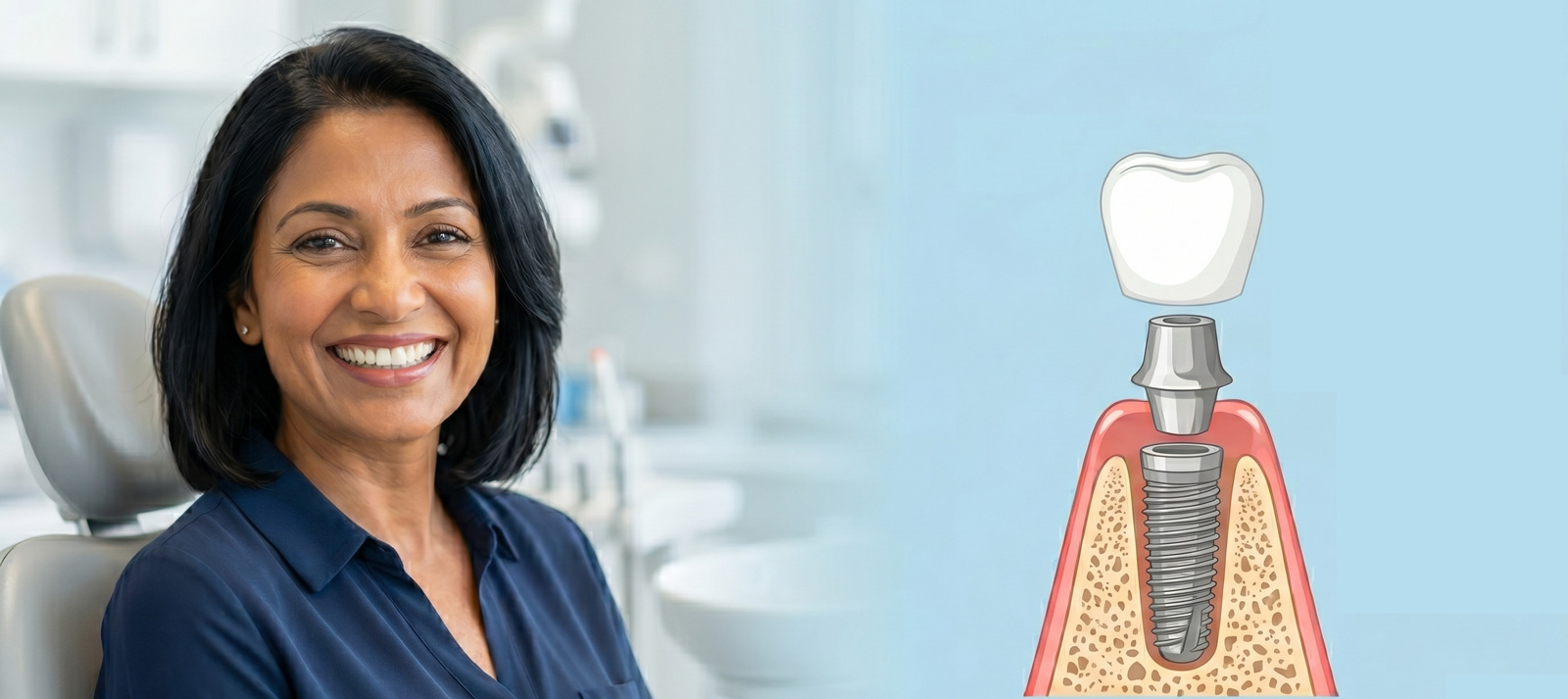
Dental implants are titanium posts surgically placed into the jawbone to replace missing tooth roots. They act as a strong foundation for crowns, bridges, or dentures.

They are considered the gold standard in tooth replacement because they:

  • Look and feel like natural teeth
  • Prevent bone loss
  • Restore full chewing function
  • Last for years with proper care

Who Is the Right Candidate for Dental Implants?

Not everyone automatically qualifies, but most people can become eligible with proper dental care. We ensure everyone gets dental implants with extra care and preparation.

1. People with Missing Teeth

If you have lost one or multiple teeth due to decay, injury, or gum disease, implants are an ideal solution.

2. Patients with Healthy Gums

Healthy gums are essential for implant success. If you have gum disease, it needs to be treated first.

At Maeoris, we provide complete gum treatment in Madurai and Dindigul before implant placement.

3. Individuals with Adequate Jawbone

Dental implants require sufficient bone to support them. If your bone density is low, procedures like bone grafting at Maeoris Dental Clinic can help.

4. Adults with Fully Developed Jawbone

Implants are usually recommended for adults since jawbone growth should be complete.

5. Non-Smokers or Willing to Quit

Smoking can affect healing and implant success. Patients who don’t smoke, or are willing to quit will have better outcomes.

6. People Looking for a Permanent Solution

Unlike dentures, implants are fixed and long-lasting. If you’re looking for a permanent tooth replacement solution, implants are the best choice.

7. Patients with Good Overall Health

Conditions like uncontrolled diabetes or immune disorders may affect healing. A proper consultation ensures safety.

At Maeoris, we conduct a complete dental and medical evaluation before recommending implants.

Who May Need Additional Preparation?

Even if you’re not an immediate candidate, you can still become one with the right treatment.

You may need:

  • Gum disease treatment
  • Bone grafting
  • Sinus lift procedures

Our expert dentists at Maeoris customise treatment plans to make implants accessible for more patients.

Why Choose Maeoris for Dental Implants?

If you’re searching for the best dental clinic in Madurai and Dindigul, Maeoris stands out for:

  • Advanced implant technology
  • Experienced implant specialists
  • Personalised treatment plans
  • Strict hygiene and safety protocols
  • Affordable dental implant cost options

Benefits of Getting Dental Implants at Maeoris

  • Natural smile restoration
  • Improved speech and chewing
  • Long-term durability
  • Prevention of facial sagging
  • Boost in confidence

Dental implants also help preserve jawbone density by stimulating the bone, preventing further deterioration that typically follows tooth loss. Unlike removable options, they are fixed and function like natural teeth, offering greater comfort and stability in daily life. At Maeoris, advanced planning and precision-driven techniques ensure optimal placement, reducing recovery time and enhancing long-term success. This means you not only regain functionality but also achieve a seamless, natural-looking result tailored to your facial profile.

When Should You Visit a Dentist?

Don’t delay treatment if you have missing teeth. Early consultation prevents complications like:

  • Bone loss
  • Teeth shifting
  • Bite problems

Book your consultation at Maeoris, the trusted dental clinic in Madurai and Dindigul for dental implants and complete oral care.

Consequences of Missing Tooth: Why You Should Replace a Lost Tooth Immediately

Missing tooth is more than just a cosmetic concern. Whether it’s due to decay, injury, or gum disease, a lost tooth can lead to serious oral health problems if left untreated.

If you’ve been searching for “missing tooth treatment,” “replace missing teeth,” or “best dental clinic for implants,” this guide will help you understand why timely action is critical and what solutions are available at Maeoris Dental Clinic in Madurai and Dindigul.

Why Do People Lose Teeth?

Tooth loss is more common than you think. The major causes include:

  • Tooth decay (cavities)
  • Gum disease (periodontitis)
  • Injury or trauma
  • Failed root canal treatment
  • Poor oral hygiene habits

Regardless of the reason, leaving a missing tooth untreated can trigger multiple complications.

Immediate Effects of Missing Teeth

1. Teeth Shifting and Misalignment

When there’s a gap, adjacent teeth begin to move into that space.

Impact:

  • Bite becomes uneven
  • Teeth become difficult to clean
  • Future need for braces or aligners

2. Difficulty in Chewing Food

Even a single missing tooth can affect your chewing efficiency.

Impact:

  • Improper digestion
  • Increased pressure on remaining teeth
  • Tooth sensitivity over time

3. Speech Problems

Missing teeth, especially front teeth can affect pronunciation.

Impact:

  • Slurred speech
  • Reduced confidence in social situations

Long-Term Consequences of Missing Teeth

1. Jawbone Loss (Bone Resorption)

Without the tooth root, the jawbone starts shrinking.

Impact:

  • Facial structure changes
  • Sunken appearance
  • Weak foundation for future dental treatments

2. Facial Sagging and Premature Ageing

Your teeth support your facial muscles.

Impact:

  • Wrinkles around the mouth
  • Hollow cheeks
  • Older appearance

3. Increased Risk of Gum Disease

Gaps make it easier for food particles and plaque to accumulate.

Impact:

  • Infection
  • Bleeding gums
  • Further tooth loss

4. TMJ Disorders and Jaw Pain

An uneven bite affects your jaw joint.

Impact:

  • Headaches
  • Jaw clicking
  • Difficulty opening and closing mouth

5. Loss of More Teeth (Domino Effect)

One missing tooth can lead to multiple missing teeth over time.

Best Treatment Options for Missing Teeth

If you’re searching for “how to replace missing teeth” or “best treatment for missing tooth,” here are your options that Maeoris Dental Clinic provides:

1. Dental Implants (Most Recommended)

  • Permanent solution
  • Looks and functions like natural teeth
  • Prevents bone loss

2. Dental Bridges

  • Fixed solution using adjacent teeth
  • Faster than implants

3. Dentures

  • Removable option
  • Suitable for multiple missing teeth

Why Dental Implants Are the Best Choice

Among all options, dental implants are considered the gold standard because they:

  • Replace both root and crown
  • Maintain jawbone health
  • Offer long-term durability
  • Provide natural aesthetics

Missing Teeth Treatment in Madurai & Dindigul – Maeoris Dental Clinic

If you are looking for:

  • Best dental clinic in Madurai
  • Best dentist in Dindigul
  • Affordable dental implants near me
  • Advanced implant clinic in Tamil Nadu

Maeoris Dental offers advanced, patient-focused solutions.

The Maeoris Advantage

✔ Navigation-Guided Implantology

Highly precise implant placement using advanced digital technology.

✔ Same-Day Tooth Replacement

In many cases, you don’t have to wait months to restore your smile.

✔ Personalised Treatment Plans

Every smile is different, your treatment should be too.

✔ Experienced Dental Specialists

Focused on long-term results, not temporary fixes.

Don’t Delay Missing Tooth Treatment

Ignoring a missing tooth today can lead to:

  • Higher treatment costs tomorrow
  • Complex dental procedures later
  • Permanent bone and facial changes

Early treatment is always simpler, faster, and more affordable. Always make sure to contact your dentist when in doubt.

Book Your Consultation at Maeoris Dental

Stop searching for “missing tooth solutions near me.” Start your treatment with a team that prioritises precision and care. If you are looking for the best dental clinic in Madurai & Dindigul, visit Maeoris Dental clinic.

Restore your smile. Restore your confidence. Book your appointment with us today.

Still Hiding Your Smile Because of a Missing Tooth? There’s a Better Way with Implant Dentistry in Madurai and Dindigul

Here’s what you need to know about how Maeoris Dental Clinic’s implant dentistry in Madurai and Dindigul works.

Missing a tooth isn’t just a cosmetic issue. It changes how you eat, how you speak, and honestly, how confident you feel when you laugh. If you’ve been putting off fixing it because you’re scared of the surgery, we get it. But implant dentistry has changed a lot.

The moment most people hear ‘dental implant,’ their mind goes straight to scary drills, long recoveries, and a very unhappy bank account. That’s completely fair. Traditional implants did come with a lot of that baggage. This is where implant dentistry in Madurai and Dindigul clinic at Maeoris comes into the picture.

But here’s the thing: technology has quietly revolutionised how implants are done. And if you’re in Madurai or Dindigul and still sitting on the fence about replacing that missing tooth, this is worth reading. 

Why a missing tooth is more urgent than you think : Implant Dentistry in Madurai and Dindigul

When you lose a tooth, the bone underneath starts to shrink, slowly, but surely. This is your jawbone’s way of saying, ‘nothing here, nothing to support’. Over time, this can change the shape of your face, shift your remaining teeth, and make future treatment more complicated.

You might think what a tooth gap can do but over the years, we have seen cases where the face shape itself goes for a toss when left untreated. 

Dentures and bridges have been around forever, but they sit on top of the gum. They don’t replace the root. Dental implants do and that’s the critical difference. 

What’s actually new about implant dentistry today? 

The biggest leap in recent years is something called navigation-guided implantology. Think of it like GPS, but for placing implants precisely inside your jaw. 

Instead of the surgeon relying purely on experience and physical X-rays, we now work with a complete 3D digital map of your mouth with your bone structure, nerve positions, everything.

The implant is placed exactly where it needs to go, with zero guesswork and Maeoris Dental Clinic is known for its technical advancements in dentistry. When you search for the best implant dentistry in Madurai and Dindigul, Maeoris will never dissappoint you.

What this means for you practically: No cutting, no stitches, faster healing, and this is the part most patients love: often a temporary tooth fitted on the same day as your implant. Maeoris Dental Clinic’s implant dentistry in Madurai and Dindigul treats you with the latest technology.

Do I need to travel? 

This is where it gets interesting. At Maeoris Dental, the top dental clinic in Madurai and Dindigul, this technology is already in use under the guidance of Dr. P. Senthil Kumar and his team as we use the X-Guide Navigation system and Nobel Clinician software, the same platforms used by top implant centres globally. 

So no, you don’t need to travel to Chennai or Bangalore or even abroad for this level of care. It’s right here. If you are somewhere around, you can feel free to travel to Madurai and Dindigul to get your dental treatment done from the best dental clinic in India. 

Can I get a dental implant? 

Most healthy adults with a missing tooth (or multiple teeth) are eligible to get dental implants.

You’ll need a basic assessment to check your bone density, but even patients who were previously told they don’t have enough bone can often be treated with navigation-guided techniques at our clinics.

We also evaluate your overall oral health, including gum condition and bite alignment, to ensure long-term success. With the right planning and advanced technology, dental implants today are safer, more precise, and designed to restore both function and natural aesthetics effectively.

Book a consultation at best dental clinic : Maeoris Dental clinic in Madurai and Dindigul. 

Beyond the gap with dental implants

At Maeoris Dental, we address a wide range of dental concerns, recognising the unique needs of each patient. We acknowledge that the absence of a tooth, even for a day, can pose challenges. 

In anticipation of such situations, we employ advanced computer-aided design and manufacturing software. This enables us to craft a meticulously precise model of your teeth swiftly—within a day—ensuring minimal inconvenience or discomfort for the patient. 

This blog serves as an informative guide, shedding light on the nature of dental implants, outlining the fundamental procedures involved, and discovers post-care of dental implant placement surgeries. 

The three essential components of a dental implant

Dental implants are structures that replace missing teeth. They comprise of a dental implant body and abutment, potentially with a fixation screw. Surgically placed in the jawbone, the implant body substitutes the tooth’s root. The abutment, typically connected to the implant body with a fixation screw, extends through the gums into the mouth to provide support for the artificial teeth.

Understanding the benefits & candidacy assessment for dental implants

Despite its intimidating appearance, opting for an implant comes with numerous benefits like

  1. Higher success rate
  2. Improvement in chewing
  3. Looks more natural and a lower risk of cavities. 

Before delving into the intricacies of a dental implant surgery, it’s essential to identify the characteristics that make an individual an ideal candidate for this procedure. Our specialists prioritise overall dental health and hygiene when considering implants for patients. 

As part of the evaluation process, we assess the presence of sufficient jawbone to support the implant and ensure that the candidate’s gums are free from periodontal diseases. 

Additionally, factors such as general health and lifestyle are taken into account to tailor our recommendations for each unique case. 

This comprehensive approach guarantees a thorough assessment of candidacy, setting the foundation for a successful dental implant experience.

Preparing for dental implants: The prerequisites and processes

While the procedure of inserting a dental implant may seem straightforward for replacing a missing tooth, dentists follow multiple precautionary steps before implantation. These processes encompass:

1. Initial consultation

    A discussion with a dentist or prosthodontist to determine eligibility for dental implant placement.

    2.Comprehensive examination

    A thorough assessment of dental health and medical history, including the creation of teeth models through impressions. Also, involves X-rays of the gum in the area of the missing tooth/teeth.

    3.CT scan

    Conducting a CT scan to evaluate available jawbone for the dental implant and to locate nerves and sinuses.

    It’s crucial to emphasize that, much like natural teeth, dental implants require diligent at-home care and routine dental visits to prevent potential diseases. Fundamental practices such as regular brushing and flossing play a pivotal role in maintaining the health of implants. 

    In addition to these basics, using an antimicrobial mouthwash can further aid in preventing bacterial growth around the implant. Consistent care, coupled with professional dental check-ups, ensures the longevity and well-being of your dental implants.

    At Maeoris, we are committed to ensuring a hassle-free experience for our patients undergoing dental implant procedures. Our cutting-edge technology enables meticulous planning, minimizing the margin of error to almost zero. 

    Our collaboration with Nobel Biocare emphasizes our commitment to delivering implants of the utmost quality. We also take pride in our expert team, ready to offer advice and determine your candidacy for dental implants. Visit us to explore how we can enhance your smile and contribute to your oral well-being.

    Book an appointment