For Appointments:

Dindigul: +91 98421 02384
Madurai: +91 73737 36096

Connect With Us:

Understanding Tooth Wear: Causes, Prevention and Treatment

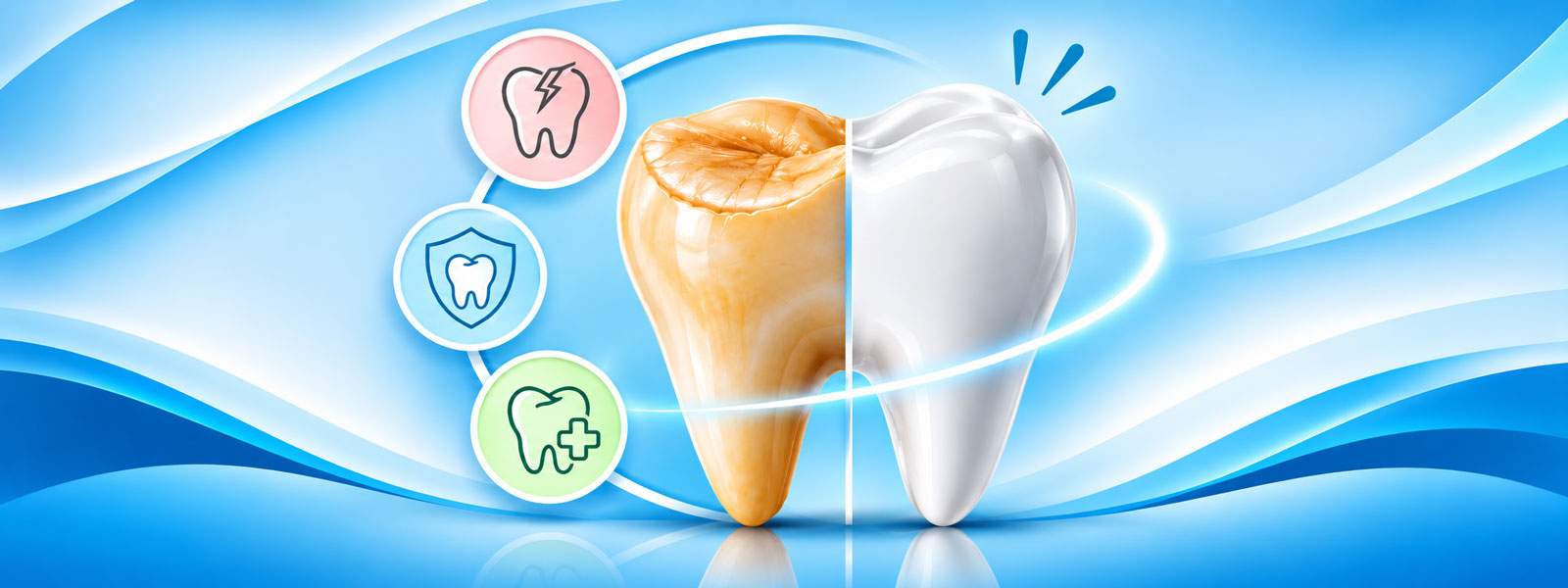
Teeth are designed to withstand years of biting and chewing, but they are not indestructible. Over time, the outer surface of a tooth can gradually wear away. While a certain amount of wear can occur naturally with age, excessive tooth wear can affect the appearance, strength and function of your teeth.

The challenge is that tooth wear often develops slowly. You may not notice it until your teeth begin to look shorter, become sensitive or develop visible changes.

At Maeoris Dental Clinic, identifying the cause of tooth wear is an important part of treatment. Rather than simply restoring the damaged tooth, the underlying reason for the wear needs to be understood to help protect the teeth in the long term.

What Is Tooth Wear?

Tooth wear refers to the gradual loss of tooth structure that is not primarily caused by dental decay or trauma. It can affect the protective enamel and, when more advanced, expose the softer dentine underneath.

Depending on its cause, tooth wear can appear as:

  • Flattened or shortened teeth
  • Smooth, shiny areas on the tooth surface
  • Small chips or worn edges
  • Yellowish areas where dentine has become exposed
  • Increased tooth sensitivity
  • Changes in the shape of the teeth
  • Changes in the way the upper and lower teeth meet

Because enamel cannot naturally regenerate once it has been lost, early identification is particularly important.

What Causes Tooth Wear?

There is rarely one universal cause. In many patients, several factors may be contributing simultaneously.

1. Teeth Grinding and Clenching

Bruxism — habitual grinding or clenching of the teeth — can place significant pressure on the teeth. It may happen during sleep or unconsciously during the day.

Over time, repeated tooth-to-tooth contact can flatten biting surfaces, wear down enamel and sometimes cause cracks or fractures.

Stress, sleep-related factors and bite-related issues may contribute to grinding in some individuals.

2. Acidic Foods and Drinks

Frequent exposure to acids can gradually soften and erode tooth enamel. Common sources include:

  • Carbonated drinks
  • Energy and sports drinks
  • Citrus fruits and juices
  • Certain acidic foods
  • Frequent consumption of vinegar-based foods or drinks

It is not necessarily one occasional acidic drink that causes the problem. Frequency of exposure can make a significant difference.

3. Acid Reflux and Gastric Acids

Not all acid exposure comes from food.

Gastro-oesophageal reflux can repeatedly expose the teeth to stomach acid. Because this can occur without obvious dental symptoms initially, characteristic wear patterns noticed during a dental examination may sometimes indicate that further medical assessment should be considered.

4. Aggressive Brushing Habits

Brushing harder does not necessarily mean cleaning better.

Excessive force, particularly when combined with abrasive toothpaste or an unsuitable toothbrush, can contribute to wear around the gumline.

Using the correct brushing technique and appropriate oral-care products can help protect both the teeth and gums.

5. Bite and Tooth Alignment

The way the upper and lower teeth come together can influence how forces are distributed during chewing.

When certain teeth repeatedly receive excessive pressure, localised wear may develop. Crowding, missing teeth or changes in the bite can also alter how chewing forces are distributed.

Signs of Tooth Wear You Should Not Ignore

Tooth wear can progress gradually, which makes regular dental examinations valuable even when there is no pain.

Consider having your teeth evaluated if you notice:

  • Teeth becoming noticeably shorter
  • Flattened biting surfaces
  • Increasing sensitivity to cold, heat or sweets
  • Chipped or rough tooth edges
  • Yellow areas becoming more visible
  • Changes in your bite
  • Repeated fractures of restorations
  • Jaw discomfort associated with grinding or clenching

By the time significant pain develops, considerably more tooth structure may already have been lost.

Can Tooth Wear Be Prevented?

In many cases, progression can be reduced once the contributing factors are identified.

Reduce Frequent Acid Exposure

Limit how often your teeth are exposed to acidic foods and beverages. After consuming something acidic, rinsing with water can help.

Avoid brushing immediately after significant acid exposure, as the enamel surface may temporarily be softened.

Brush Gently and Effectively

Use a soft-bristled toothbrush and appropriate brushing technique rather than excessive pressure.

Your dentist can also recommend toothpaste based on your enamel condition and sensitivity.

Address Teeth Grinding

If grinding or clenching is contributing to tooth wear, your dentist may recommend a customised protective appliance such as a night guard, depending on your individual condition.

However, protecting the teeth is only one aspect. The pattern of wear, bite and possible contributing factors should also be evaluated.

Investigate Reflux When Appropriate

If tooth wear appears to be associated with gastric acid exposure, dental treatment may need to be coordinated with appropriate medical evaluation and management.

Attend Regular Dental Check-Ups

Monitoring is particularly important with tooth wear because small changes can be difficult to recognise yourself.

Digital scans, clinical photographs and examinations can help dentists monitor changes in tooth shape and structure over time.

How Is Tooth Wear Treated?

Treatment depends on how much tooth structure has been lost, which teeth are affected and what is causing the wear.

For mild cases, treatment may focus primarily on prevention, sensitivity management and regular monitoring.

When tooth structure has been significantly affected, restorative treatment may be considered. Depending on the clinical situation, this can include:

  • Tooth-coloured composite restorations
  • Veneers in selected cases
  • Crowns or other restorations for extensively damaged teeth
  • Bite rehabilitation when multiple teeth are involved
  • Protective appliances for patients who grind or clench

Severe tooth wear may require comprehensive planning because simply restoring one worn tooth without considering the overall bite can result in further problems.

Why Digital Assessment Matters in Tooth Wear

Modern digital dentistry can provide dentists with a more detailed understanding of the teeth and bite.

At Maeoris Dental Clinic, digital scanning and advanced diagnostic technologies can be incorporated into treatment planning where appropriate. A digital representation of the teeth can help clinicians assess tooth shape, alignment, bite relationships and restorative requirements.

Digital records can also be valuable for monitoring changes over time, particularly when tooth wear is gradual.

Restoring Function, Not Just Appearance

Worn teeth are sometimes considered primarily a cosmetic concern. But advanced tooth wear can affect much more than the appearance of a smile.

Loss of tooth structure can influence sensitivity, chewing efficiency, bite relationships and the long-term strength of the teeth.

That is why treatment should not simply focus on making worn teeth look longer again. The objective is to understand why the wear occurred, control the contributing factors and restore the teeth appropriately when required.

Looking for Tooth Wear Treatment in Madurai or Dindigul?

If your teeth appear shorter, flatter, more sensitive or increasingly worn, an early dental evaluation can help determine what is happening before additional tooth structure is lost.

At Maeoris Dental, we combine clinical assessment with modern digital dentistry to diagnose and plan treatment according to each patient’s individual dental condition.

For patients searching for the best dental clinic in Madurai or the best dental clinic in Dindigul, Maeoris Dental provides comprehensive care ranging from preventive and restorative dentistry to orthodontics, dental implants and advanced digital dental treatments.

Protect Your Teeth Before Wear Becomes Severe

Tooth wear is often gradual, but the loss of enamel can be permanent. Recognising the signs early gives your dentist a better opportunity to control the cause and preserve as much natural tooth structure as possible.

If you have noticed changes in the shape, length, sensitivity or biting surfaces of your teeth, schedule a dental consultation at Maeoris Dental Clinic in Madurai or Dindigul for a detailed assessment.
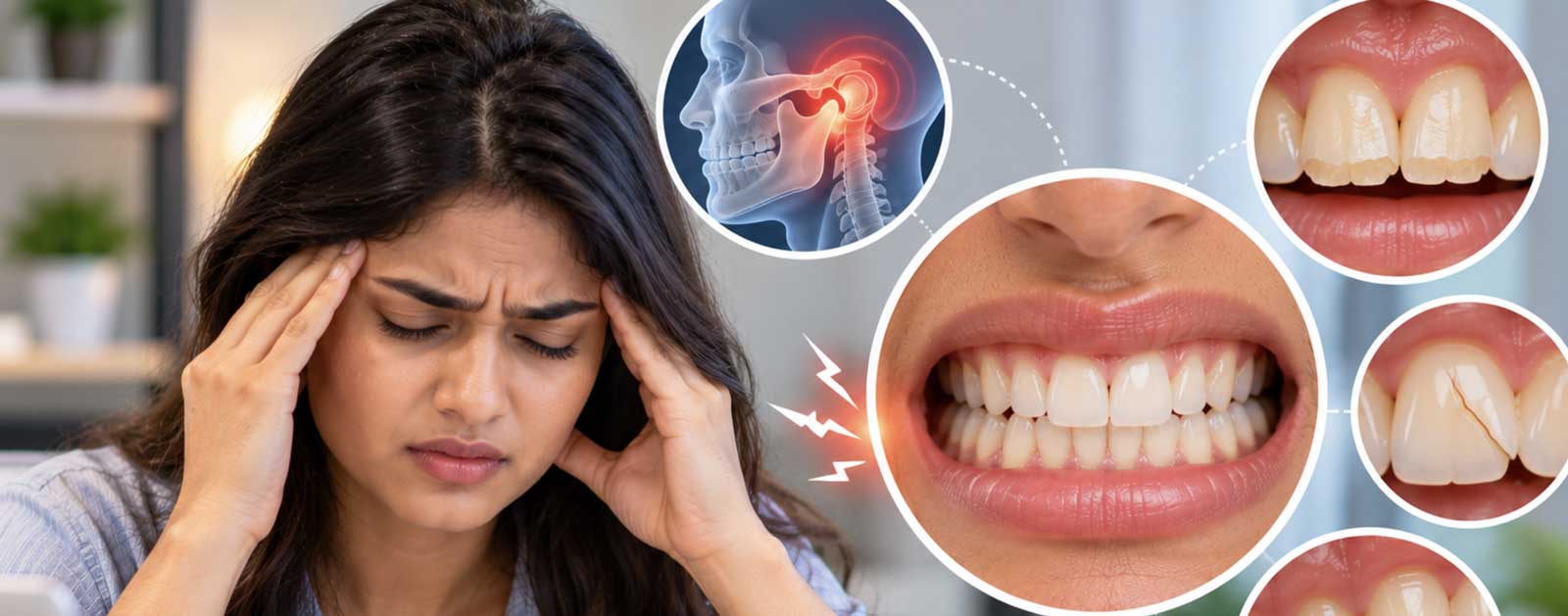
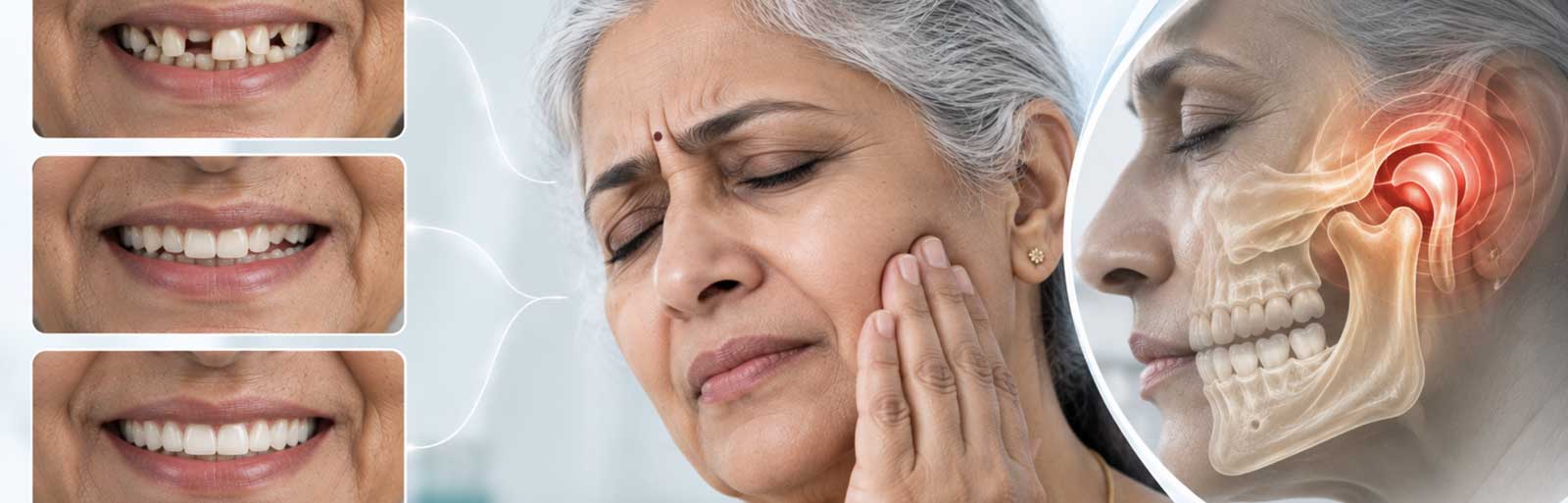
How Stress and Teeth Grinding Affect Your Oral Health

Stress is often associated with headaches, fatigue and disturbed sleep, but its effects can extend to your oral health as well. One common condition linked to stress is bruxism, or the involuntary grinding or clenching of teeth. It can occur during the day or while sleeping, often without a person realising it.

Over time, teeth grinding can lead to enamel wear, jaw pain, tooth sensitivity and other dental complications. Understanding the connection between stress and oral health can help you recognise early warning signs and seek timely treatment.

What Is Bruxism?

Bruxism refers to the repeated clenching, grinding or tightening of the jaw muscles. It is generally classified into two types:

  • Awake bruxism: Clenching the teeth or tightening the jaw while awake, often during periods of stress, concentration or anxiety.
  • Sleep bruxism: Grinding or clenching the teeth during sleep, sometimes accompanied by grinding sounds that a partner may notice.

Although occasional teeth clenching may not cause significant problems, frequent or forceful grinding can place excessive pressure on the teeth, jaw muscles and temporomandibular joints (TMJs).

How Does Stress Contribute to Teeth Grinding?

Stress does not affect everyone in the same way, but it can contribute to bruxism. When people experience anxiety, emotional strain or work-related pressure, they may unconsciously tighten their jaw muscles or clench their teeth.

Stress can also disrupt sleep, which may be associated with sleep bruxism. Other contributing factors include certain medications, caffeine, alcohol, smoking and sleep-related conditions.

Identifying the factors contributing to teeth grinding is important because effective management may require more than treating the teeth alone.

6 Ways Teeth Grinding Can Affect Your Oral Health

1. Worn Tooth Enamel

Tooth enamel is the hard outer layer that protects your teeth. Repeated grinding creates friction between the upper and lower teeth, gradually wearing down this protective surface.

As enamel wears away, teeth may become more vulnerable to sensitivity, damage and decay. Advanced wear can also alter the natural shape of the teeth.

2. Tooth Sensitivity and Pain

Grinding places repeated pressure on the teeth, which can irritate the tissues inside them and contribute to sensitivity. You may experience discomfort when consuming hot, cold or sweet foods and beverages.

In more severe cases, excessive grinding can cause cracks, fractures or damage to existing dental restorations, potentially requiring restorative treatment.

3. Jaw Pain and Muscle Fatigue

The jaw muscles work hard when you repeatedly clench or grind your teeth. This can lead to muscle fatigue, tenderness and pain around the cheeks, temples or jaw.

Some people also experience difficulty or discomfort when opening their mouths, particularly in the morning after a night of grinding.

4. Temporomandibular Joint (TMJ) Problems

The temporomandibular joints connect the lower jaw to the skull and help you chew, speak and open your mouth. Excessive clenching and grinding can aggravate the jaw muscles and may contribute to symptoms associated with temporomandibular disorders.

Possible symptoms include jaw tenderness, clicking or popping sounds, restricted movement and discomfort while chewing. However, these symptoms can have several causes and do not necessarily indicate bruxism.

5. Headaches and Facial Discomfort

Frequent teeth grinding can overwork the jaw muscles, contributing to headaches, particularly around the temples. Some people experience facial soreness or a feeling of tightness around the jaw after waking up.

If headaches occur alongside jaw pain, tooth sensitivity or signs of grinding, a dental evaluation can help determine whether bruxism may be contributing to the problem.

6. Damage to Dental Restorations

Crowns, bridges, fillings and other dental restorations are designed to withstand normal chewing forces. Persistent grinding can subject them to excessive pressure, increasing the risk of chipping, loosening or fracture.

People with dental implants may also experience excessive loading of the implant-supported restoration. A dentist can assess the condition of the restoration and recommend appropriate protective measures where necessary.

Signs You May Be Grinding Your Teeth

Teeth grinding can occur without obvious symptoms, especially during sleep. Watch for these common warning signs:

  • Flattened, chipped or worn-down teeth
  • Increased tooth sensitivity without an obvious cause
  • Jaw stiffness or soreness after waking up
  • Frequent headaches around the temples
  • Tenderness in the facial muscles
  • Clicking or discomfort around the jaw joints
  • Reports from a sleeping partner of grinding sounds at night

These symptoms can have other causes, so they should not be used to diagnose bruxism on their own. A dental examination can help identify tooth wear, muscle tenderness and other relevant signs.

How Can You Protect Your Teeth From Grinding?

Managing bruxism involves reducing contributing factors, protecting the teeth and addressing any damage that has already occurred.

Manage Stress Effectively

Relaxation techniques such as deep breathing, meditation, gentle exercise and regular breaks may help reduce stress-related jaw clenching. If you notice yourself clenching your teeth during work or other activities, consciously relax your jaw and keep your teeth slightly apart when you are not eating.

Improve Your Sleep Routine

Maintain a consistent sleep schedule and create a relaxing bedtime routine. Reducing caffeine, particularly later in the day, and avoiding alcohol near bedtime may also help some people. Persistent sleep problems or symptoms of sleep apnoea warrant medical evaluation.

Consider a Custom-Fitted Night Guard

A dentist may recommend a custom-fitted occlusal splint or night guard to protect the teeth from grinding-related damage. Although it may not eliminate bruxism itself, it can help reduce tooth wear and protect dental restorations.

Avoid choosing a night guard without professional advice if you have significant jaw pain or other symptoms, as the appropriate appliance depends on your individual needs.

Avoid Habits That Strain the Jaw

Avoid chewing on hard objects such as pens, biting your nails or using your teeth to open packaging. If your jaw is sore, temporarily choosing softer foods may help reduce discomfort while you arrange a dental assessment.

Seek Professional Dental Care

If grinding is frequent, your teeth are becoming sensitive or you experience persistent jaw pain, consult a dentist. Treatment may involve monitoring tooth wear, repairing damaged teeth, recommending a protective appliance or investigating other contributing factors.

Do not ignore persistent pain or assume that stress is the only cause of your symptoms.

When Should You Visit a Dentist?

Occasional clenching may not require treatment, but repeated grinding deserves attention when it causes symptoms or threatens your teeth.

Schedule a dental appointment if you notice progressive tooth wear, unexplained sensitivity, cracked teeth, recurring morning headaches or persistent jaw discomfort. Seek prompt care if you develop significant difficulty opening your mouth, severe pain or a suspected tooth fracture.

Early assessment can help prevent minor problems from progressing into more complex dental concerns.

Protect Your Oral Health With Timely Dental Care at Maeoris Dental

Stress management is important for overall well-being, but protecting your oral health also requires recognising the physical effects of habits such as teeth grinding. With early diagnosis and an appropriate treatment plan, many complications associated with bruxism can be managed effectively.

At Maeoris Dental Clinic, patients can receive professional dental assessment to identify signs of tooth wear, evaluate jaw-related symptoms and explore suitable treatment options. If you are looking for the best dental clinic in Madurai or Dindigul, a timely dental consultation can help you understand your symptoms and protect your long-term oral health.

Your teeth are designed to last a lifetime. Recognising the effects of stress and teeth grinding early can help you protect them for years to come.

Disclaimer: This article is for general educational purposes and is not a substitute for professional dental or medical advice.

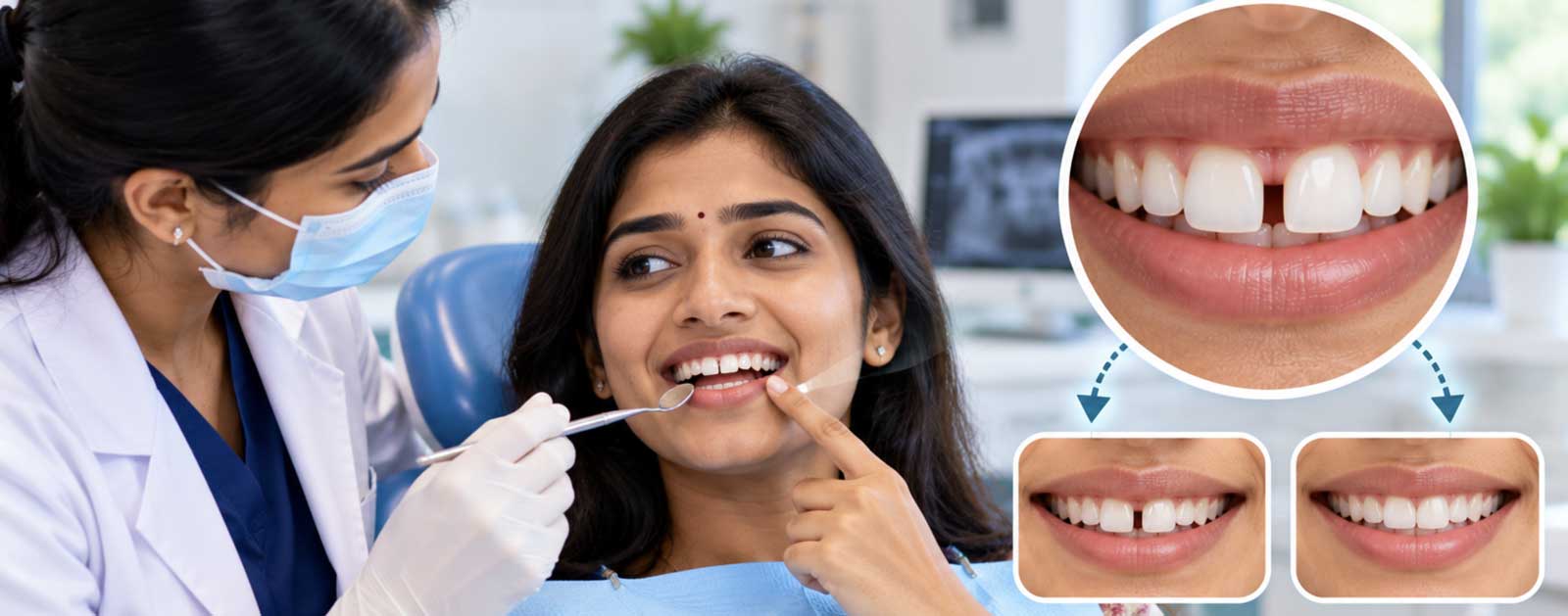
Spacing Between Teeth: Cosmetic Issue or Dental Problem?

A small gap between two teeth may seem like a purely cosmetic concern. For some people, tooth spacing is simply a natural feature of their smile. For others, however, gaps between teeth can be linked to bite problems, gum health, missing teeth or changes in the position of the teeth over time.

So, is spacing between teeth just a cosmetic issue, or can it indicate an underlying dental problem?

The answer depends on why the gap has developed, where it is located and whether it is changing over time.

At Maeoris Dental Clinic, we assess tooth spacing not just from an aesthetic perspective but also in relation to your bite, gums, tooth position and overall oral health. As a leading dental clinic in Madurai, our approach focuses on understanding the cause before recommending treatment.

What Causes Gaps Between Teeth?

Spacing between teeth, also called diastema, can occur for several reasons. Some gaps are completely natural, while others may develop due to changes in the teeth or supporting tissues.

1. Natural Tooth Development

Some people naturally have spaces between their teeth because of the size and shape of their teeth and jaws. A gap between the upper front teeth is particularly common.

If the spacing has always been present and there are no associated dental problems, treatment may not be medically necessary.

2. Small or Missing Teeth

When teeth are smaller than the available space in the jaw, gaps can develop. Similarly, a missing tooth can leave space that allows neighbouring teeth to shift.

In such cases, closing the gap may involve orthodontic treatment, restorative dentistry or dental implants, depending on the individual situation.

3. Gum Disease

One of the more important reasons to pay attention to new or increasing spaces between teeth is gum disease.

Advanced gum disease can affect the tissues and bone supporting the teeth. As support decreases, teeth may become mobile or gradually change position, creating new gaps.

If spacing develops suddenly in adulthood, a dental examination is important.

4. Tongue-Thrusting Habits

The position and movement of the tongue can influence tooth position over time. Persistent tongue-thrusting habits, particularly during swallowing, may contribute to spacing or changes in the bite.

Children may benefit from early evaluation if an oral habit appears to be affecting tooth alignment.

5. Large or Low Frenum

The labial frenum is the small fold of tissue connecting the inside of the upper lip to the gum. In some individuals, a prominent or unusually positioned frenum can contribute to a gap between the upper front teeth.

Your orthodontist can determine whether the frenum is actually contributing to the spacing.

6. Teeth Moving with Age

Teeth are not permanently fixed in one position. They can move gradually throughout life.

Changes in bite, tooth loss, gum health and failure to wear retainers after orthodontic treatment can all contribute to teeth shifting and new spaces appearing.

When Is a Gap Between Teeth a Dental Problem?

Not every gap requires treatment. However, spacing deserves professional evaluation when it is:

  • New or increasing over time
  • Associated with bleeding or swollen gums
  • Accompanied by loose or mobile teeth
  • Making it difficult to bite or chew properly
  • Associated with food frequently getting trapped
  • Affecting speech
  • Accompanied by changes in your bite
  • Developing after tooth loss
  • Appearing after previous orthodontic treatment

A new gap in adulthood should not automatically be assumed to be a cosmetic concern. It may be a sign that the position or supporting structures of the teeth have changed.

Can Gaps Between Teeth Affect Oral Hygiene?

Yes. The effect depends on the size and location of the spaces.

Some spaces can actually make certain areas easier to clean. However, irregular spacing can also create areas where food accumulates, particularly around the gums.

If plaque remains around these areas, it can contribute to:

Plaque buildup → gum inflammation → gum disease → loss of supporting tissue and bone

This is why evaluating the health of the gums is an important part of assessing tooth spacing.

Is It Necessary to Close Every Gap?

No.

If a gap is naturally occurring, stable and not affecting oral health, bite or function, treatment may not be necessary.

Some people also choose to keep their natural spacing because it is part of their individual smile.

Treatment becomes more relevant when the spacing is causing functional problems, affecting oral health or when the patient wants to change the appearance of their smile.

The right approach should therefore be based on the cause of the spacing, dental health and the patient’s treatment goals.

Can Teeth Develop Gaps Again After Treatment?

Yes. Teeth can shift after orthodontic treatment, which is why retainers are an important part of maintaining orthodontic results.

Even after successful treatment, teeth can naturally move over time. Following the recommended retention plan can help maintain the alignment achieved through orthodontic treatment.

How Does an Orthodontist Diagnose the Cause of Tooth Spacing?

A dental evaluation may include:

  • Examination of the teeth and gums
  • Assessment of your bite
  • Evaluation of tooth movement and alignment
  • Checking for missing or undersized teeth
  • Assessment of gum and bone support
  • Dental X-rays or other imaging when required
  • Digital scans for detailed evaluation of tooth position

The goal is not simply to measure the gap. It is to understand why the gap exists.

When Should You See an Orthodontist?

If you have always had a small gap and it has remained unchanged, it may simply be a natural characteristic of your smile.

However, you should consider a dental examination if you notice that:

A gap is becoming larger → teeth are moving → gums are bleeding → teeth feel loose → your bite is changing

These changes should not be ignored.

Early evaluation can help identify gum disease, tooth movement, missing teeth or bite-related concerns before they become more complicated.

Get Your Smile and Oral Health Evaluated at Maeoris Dental

Spacing between teeth is not always a problem and not every gap needs to be closed. But when spacing changes or is accompanied by other dental symptoms, it is important to identify the underlying cause.

At Maeoris Dental, treatment planning combines clinical examination with advanced digital dentistry to evaluate tooth alignment, bite, gum health and overall dental function before recommending treatment.

If you are looking for the best dental clinic in Madurai or the best dental clinic in Dindigul for orthodontic, restorative or implant-related concerns, a professional evaluation can help you understand whether your tooth spacing is simply cosmetic or requires dental treatment.

A gap may be small, but understanding why it is there can make a big difference to your long-term oral health.

How Missing Teeth Affect Digestion and Nutrition

Missing teeth are often considered a cosmetic concern, but their impact can go beyond appearance. Teeth play an essential role in biting and chewing food before it reaches the digestive system. When several teeth are missing, reduced chewing efficiency can affect eating habits, food choices and, indirectly, nutritional intake.

Understanding this connection can help you recognise why replacing missing teeth is important for maintaining oral function and enjoying a varied diet. Let us decode this with the experts of Maeoris Dental Clinic.

Why Are Teeth Important for Digestion?

Digestion begins in the mouth. Chewing breaks food into smaller particles and mixes it with saliva, making it easier to swallow and process.

When teeth are missing, particularly molars used for grinding, it can become harder to properly break down certain foods. This does not mean missing teeth directly cause digestive problems, but inefficient chewing can influence how a person eats.

How Missing Teeth Can Change Your Diet

Foods that require more chewing may become uncomfortable or difficult to eat. Some people with multiple missing teeth may gradually avoid foods such as:

  • Raw vegetables and firmer fruits
  • Nuts and seeds
  • Tough or fibrous meats
  • Certain whole grains and legumes
  • Other crunchy or chewy foods

Instead, they may rely more on softer foods that are easier to manage.

If this continues over time, reducing the variety of foods in the diet may affect intake of important nutrients such as protein, fibre, vitamins and minerals.

Can Missing Teeth Affect Nutrition?

Indirectly, yes.

Missing teeth do not automatically cause nutritional deficiencies. However, difficulty chewing can lead some people to avoid nutrient-dense foods. For example, reducing the intake of vegetables, fruits, nuts, seeds or protein-rich foods can make it harder to maintain a balanced and varied diet.

This is particularly relevant when multiple teeth are missing and chewing is significantly compromised.

What Happens to the Remaining Teeth?

Tooth loss can also change how the remaining teeth are used. Depending on the location and number of missing teeth, neighbouring teeth may shift, the bite may change, and greater chewing forces may be placed on certain areas.

Other possible consequences include:

  • Difficulty chewing on one or both sides
  • Food getting trapped around the affected area
  • Changes in bite and tooth alignment
  • Progressive bone loss around the missing tooth site

For these reasons, replacing missing teeth is about more than restoring the appearance of your smile.

How Can Missing Teeth Be Replaced?

The appropriate treatment depends on the number and location of missing teeth, bone and gum health, bite and overall oral condition.

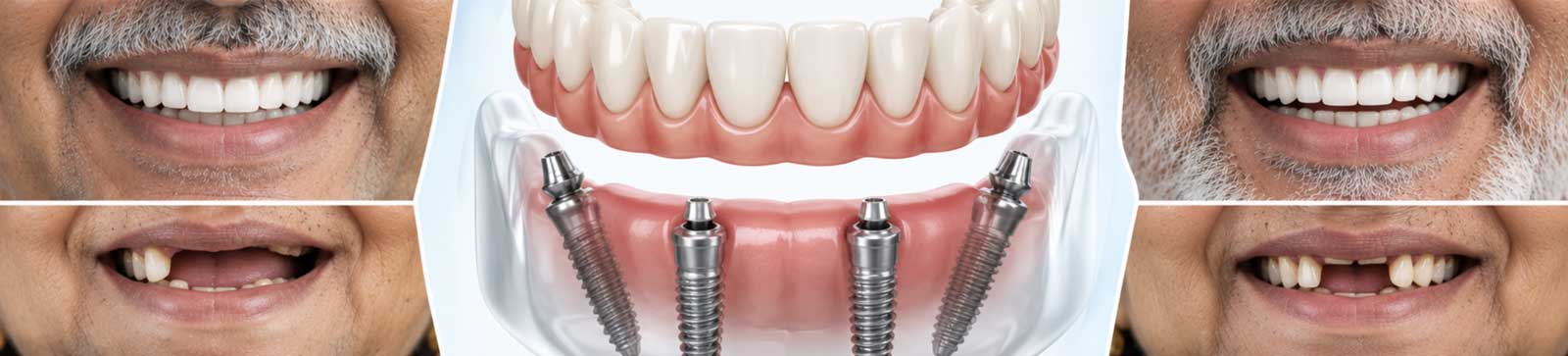
Dental Implants

Dental implants replace the missing tooth root and can support a crown, bridge or implant-supported denture. They provide a stable foundation for tooth replacement and can help restore chewing function.

Dental Bridges

A bridge can replace one or more missing teeth by using neighbouring teeth or implants for support.

Dentures

Partial or complete dentures can replace multiple missing teeth. They can improve chewing, speech and appearance, although stability and chewing efficiency can vary between individuals.

Full-Mouth Implant Rehabilitation

For patients with extensive tooth loss or severely damaged remaining teeth, a comprehensive implant-supported rehabilitation may be considered. Treatment is planned according to the individual’s oral health, bone availability and functional requirements.

The Role of Digital Dentistry in Tooth Replacement

Advances in digital dentistry have transformed the planning and delivery of implant treatment.

At Maeoris Dental Clinic, technologies such as CBCT imaging, digital impressions, CAD-CAM prosthetic workflows, intraoral scanning, dynamic navigation and implant photogrammetry can be integrated into complex implant treatment.

For full-arch rehabilitation, combining precise implant positioning with accurate digital prosthetic planning can help create restorations designed for both function and aesthetics.

When Should You See a Dentist?

Consider an evaluation if you have missing teeth and notice:

  • Difficulty chewing certain foods
  • Increasing reliance on soft foods
  • Difficulty chewing on one side
  • Changes in your bite
  • Movement of neighbouring teeth
  • Multiple untreated missing teeth
  • Difficulty eating comfortably

A dentist can assess your remaining teeth, gums, bone and bite and discuss suitable replacement options.

Restore More Than Your Smile

Missing teeth can affect how comfortably and effectively you chew, which may influence the foods you choose to eat. Replacing them can help restore oral function and make it easier to maintain a varied diet.

Whether you have one missing tooth or require full-mouth rehabilitation, a personalised treatment plan can help determine the most appropriate solution.

Looking for the Best Dental Clinic in Madurai or Dindigul?

Maeoris Dental combines clinical expertise with advanced digital dentistry for comprehensive dental and implant care. From individual tooth replacement to complex full-arch rehabilitation, treatment is planned around precision, function and long-term oral health.

If you are looking for the best dental clinic in Madurai or the best dental clinic in Dindigul for missing teeth or dental implants, consult Maeoris Dental to explore your treatment options.

Frequently Asked Questions

Can missing teeth affect digestion?

Missing teeth do not directly cause digestive disorders. However, reduced chewing efficiency can affect how food is broken down before swallowing and may change eating habits.

Can missing teeth cause nutritional deficiencies?

Not directly. However, if difficulty chewing causes someone to regularly avoid nutritious foods, their overall dietary variety may decrease.

Should I replace a single missing tooth?

Replacing a missing tooth may help restore chewing function and maintain the position and function of the surrounding teeth. Your dentist can determine whether replacement is recommended based on your individual condition.

Are dental implants good for chewing?

Dental implants can provide a stable foundation for replacement teeth and help restore chewing function. Suitability depends on bone, gum health, bite and other individual factors.

What is the best option for multiple missing teeth?

Treatment varies from person to person. Options may include bridges, dentures, implant-supported restorations or full-mouth implant rehabilitation, depending on your oral health and functional needs.

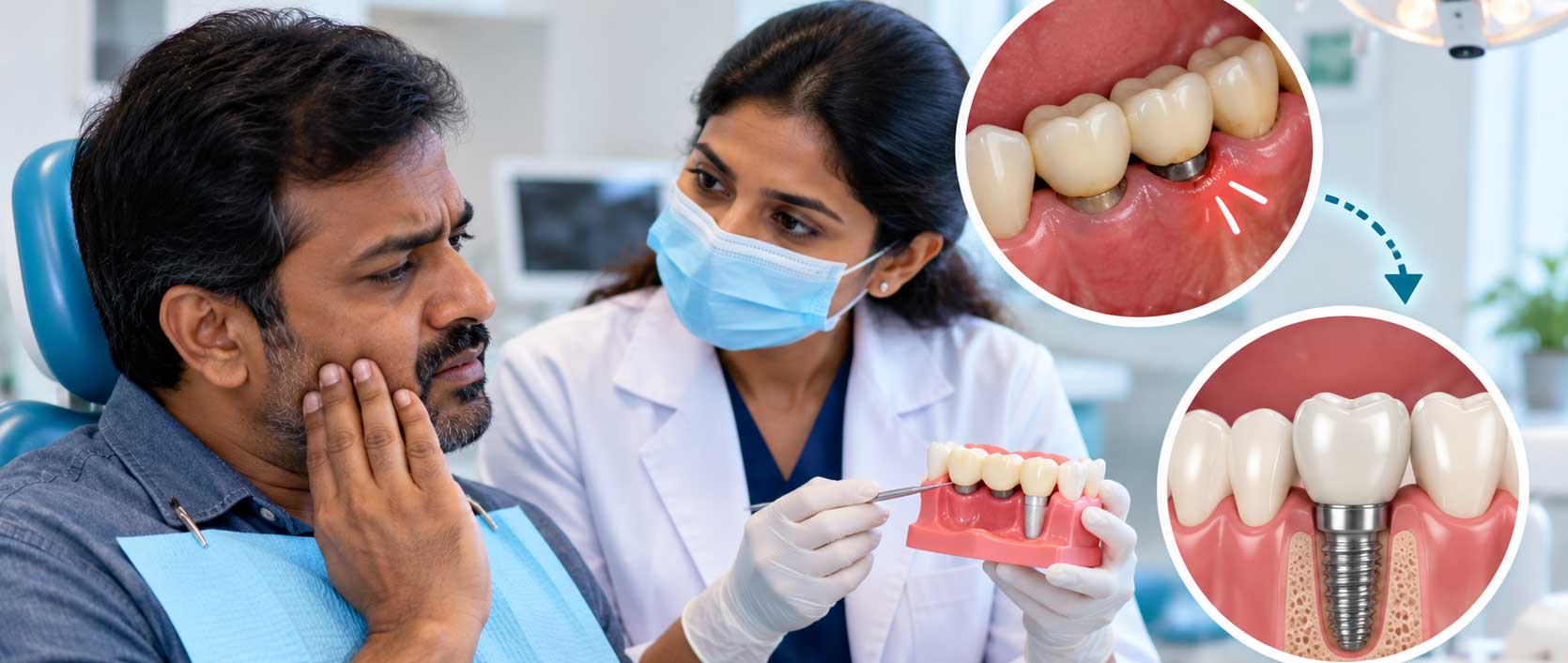
Signs Your Existing Dental Bridge May Need Replacement with Implants

Dental bridges are a common way to replace missing teeth. With proper planning, placement and maintenance, a bridge can function effectively for years. However, problems can develop when a bridge is not properly planned, fitted or placed, particularly when the supporting teeth, gums and bite are not thoroughly evaluated.

If an existing bridge is repeatedly causing discomfort or functional problems, it may be time to have it reassessed. In some cases, dental implants may provide an alternative way to replace the missing tooth without relying on neighbouring teeth for support.

Signs Your Dental Bridge May Need Replacement

1. Your Bridge Feels Loose or Unstable

A dental bridge should remain stable during eating and speaking. If it starts moving, rocking or feeling loose, there may be an issue with the bridge, cement or supporting teeth.

A loose bridge should be examined promptly rather than continuing to use it and potentially causing further damage.

2. You Have Problems with the Supporting Teeth

Traditional bridges depend on neighbouring teeth for support. If these teeth develop decay, cracks, root problems or gum disease, the stability of the bridge can be affected.

When the supporting teeth are severely compromised, replacing the bridge with another conventional bridge may not always be the most suitable option. Dental implants may be considered as an alternative foundation for tooth replacement.

3. Food Frequently Gets Trapped Around the Bridge

Repeated food trapping underneath or around a bridge can make cleaning difficult and may contribute to gum irritation or decay.

It can also be a sign that the restoration does not have an ideal fit or that the surrounding tissues require attention.

4. Your Gums Are Frequently Swollen or Bleeding

Persistent redness, swelling or bleeding around a dental bridge should not be ignored.

Poor fitting, plaque accumulation, inadequate cleaning or problems with the supporting teeth can contribute to gum inflammation. An examination can determine whether the bridge can be maintained or requires replacement.

5. Your Bite Has Changed

You may notice that your teeth no longer meet comfortably or that certain teeth experience more pressure while chewing.

Changes in the bite can occur as the teeth, restoration and supporting structures change over time. Your dentist can assess whether the bridge needs adjustment, replacement or a different treatment approach.

6. The Bridge Is Showing Signs of Wear or Damage

Dental bridges are not designed to last indefinitely. Chipping, cracking, worn surfaces, damaged margins or changes in fit may indicate that a bridge needs to be evaluated.

An old bridge does not automatically need to be replaced with an implant. However, if replacement is required, implants may be an option depending on the condition of the surrounding teeth and bone.

Why Proper Bridge Treatment Matters

A dental bridge is not simply a replacement tooth. It needs to work in harmony with the supporting teeth, gums and bite.

When bridges are poorly planned, improperly fitted or placed without adequate assessment, problems may develop over time. Patients may experience looseness, food trapping, gum irritation, recurrent decay around supporting teeth or discomfort while chewing.

This is why dental bridges should be planned and placed at a professional dental centre with appropriate diagnostic evaluation and restorative expertise. Accurate impressions or digital scans, careful bite assessment, precise fabrication and regular follow-up all contribute to the long-term performance of a bridge.

If an existing bridge has repeatedly developed problems, the underlying cause should be identified rather than simply replacing the restoration without reassessing the overall treatment plan.

When Can Dental Implants Be Considered?

Dental implants may be considered when:

  • Supporting teeth are severely damaged or cannot be predictably restored
  • A conventional bridge has repeatedly failed
  • You want to replace a missing tooth without depending on adjacent teeth
  • The surrounding bone and gums are suitable for implant treatment
  • Multiple missing teeth require a more comprehensive rehabilitation

An implant replaces the missing tooth root and can support a crown, bridge or other implant-supported restoration.

However, implants are not automatically the right solution for every failed bridge. A detailed assessment is necessary to determine the most appropriate option.

Dental Bridge vs Dental Implant

Dental BridgeDental Implant
Usually supported by neighbouring teethSupported by an implant placed in the jawbone
Does not require implant surgeryRequires implant placement and healing
Can replace one or more missing teethCan support an individual crown or larger restoration
Treatment can often be completed without implant healingTreatment timeline depends on bone and tissue healing
Requires suitable supporting teethRequires adequate bone and healthy surrounding tissues

The choice depends on the individual’s oral health, bone condition, bite, number of missing teeth and long-term treatment goals.

How Digital Dentistry Supports Implant Treatment

Modern digital dentistry allows implant treatment to be planned with greater precision.

At Maeoris Dental Clinic, digital workflows can incorporate CBCT imaging, intraoral scanning, CAD-CAM prosthetic planning, dynamic navigation and implant photogrammetry.

For complex full-arch cases, combining accurate implant positioning with precise prosthetic planning is particularly important. Maeoris has also integrated X-Guide Next navigation with implant photogrammetry, bringing surgical navigation and prosthetic precision together within an advanced digital workflow.

When Should You Have Your Dental Bridge Checked?

Do not wait until your bridge completely fails. Schedule a dental evaluation if you notice:

  • A loose or moving bridge
  • Pain while chewing
  • Persistent gum swelling or bleeding
  • Frequent food trapping
  • Bad taste or odour around the bridge
  • Cracks or visible damage
  • Changes in your bite
  • Decay or problems with supporting teeth
  • Difficulty cleaning around the restoration

An examination can determine whether the bridge can be repaired or maintained, whether it needs conventional replacement, or whether an implant-supported restoration should be considered.

Replacing a Dental Bridge: Look Beyond the Restoration

An old or problematic bridge does not necessarily mean you need dental implants. The first step is understanding why the bridge is failing and assessing the health of the supporting teeth, gums and bone.

If the existing bridge is no longer suitable, dental implants can provide an alternative foundation for replacing missing teeth in appropriately selected patients.

Choosing a centre with expertise in implant dentistry, restorative treatment and digital treatment planning can help ensure that the replacement is planned around both function and long-term oral health.

Looking for the Best Dental Clinic in Madurai or Dindigul?

Maeoris Dental combines extensive experience in implant dentistry with advanced digital planning and prosthetic workflows.

If you have an old, loose or uncomfortable dental bridge and are considering dental implants in Madurai or Dindigul, a professional assessment can help determine whether your existing bridge can be retained, replaced or transitioned to an implant-supported solution.

Frequently Asked Questions

How do I know if my dental bridge needs replacement?

Looseness, pain, recurrent gum problems, food trapping, visible damage, changes in fit or problems with the supporting teeth are reasons to have your bridge evaluated.

Can a poorly fitted dental bridge cause problems?

Yes. An improperly planned or fitted bridge can make cleaning difficult and may contribute to food trapping, gum irritation, discomfort or problems affecting the supporting teeth.

Can my dental bridge be replaced with an implant?

In suitable cases, yes. The dentist will first assess the supporting teeth, bone, gums and bite before determining whether an implant-supported restoration is appropriate.

Is a dental implant better than a bridge?

Both can be effective options. The appropriate treatment depends on the condition of the neighbouring teeth, bone availability, gum health, number of missing teeth and individual treatment requirements.

Can an old bridge be replaced with an implant without removing the supporting teeth?

It depends on the condition of the existing bridge and supporting teeth. A detailed clinical and radiographic assessment is required before deciding on the treatment approach.

iTero Lumina Pro at Maeoris: A Smarter Way to Scan, Plan and Visualise Your Smile

Dentistry is becoming increasingly digital, changing not only how treatments are performed but also how patients understand and experience their dental care.

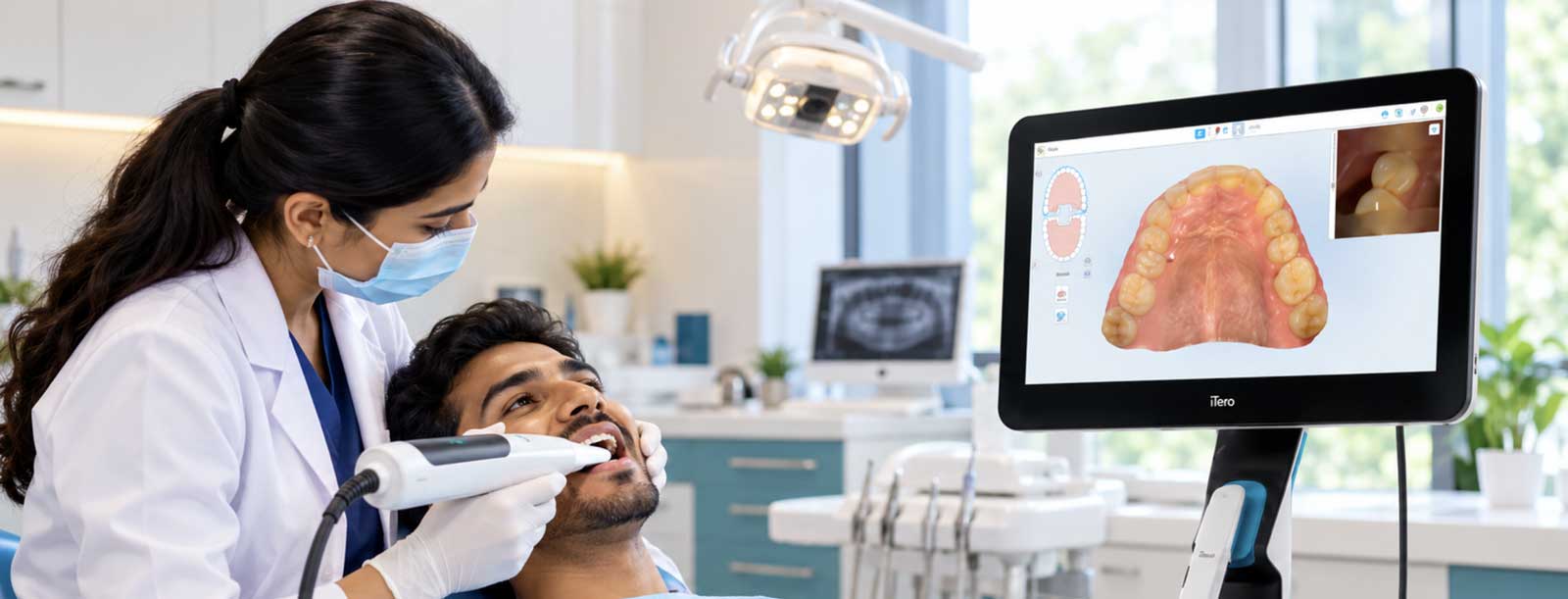
At Maeoris Dental Clinic, digital technology has been an integral part of our clinical approach for years. One of the latest additions to this technology-driven workflow is the iTero Lumina Pro intraoral scanner, designed to create detailed 3D digital records of the teeth and oral structures.

From replacing conventional dental impressions in many treatments to supporting orthodontic planning and progress monitoring, iTero Lumina Pro helps make the journey from diagnosis to treatment more comfortable, visual and precise.

What Is the iTero Lumina Pro?

iTero Lumina Pro is an advanced intraoral scanner that digitally captures the teeth and surrounding oral structures.

Instead of relying solely on conventional impression materials, the dentist moves a compact scanning wand around the patient’s mouth. As the scan progresses, a detailed 3D digital model is generated on the screen.

The system also integrates high-definition intraoral imaging and near-infrared imaging (NIRI) within the same scanning platform, giving the clinical team additional information during evaluation.

For patients, this means dentistry becomes much more visual. Instead of simply being told what is happening inside their mouth, they can see their teeth digitally and better understand the treatment being discussed.

Moving Beyond Conventional Dental Impressions

For many patients, one of the least comfortable parts of dental or orthodontic treatment has traditionally been taking impressions.

Conventional impressions involve placing impression material inside a tray and holding it in the mouth until it sets. While these impressions have been widely used in dentistry, some patients—particularly children and people with a sensitive gag reflex—may find the experience uncomfortable.

With digital intraoral scanning, a detailed record can instead be captured directly using the scanner.

The iTero Lumina Pro uses Multi-Direct Capture technology, which provides a wider field of view and supports faster scanning with a smaller wand compared with previous-generation iTero scanners.

This can be particularly useful when capturing areas such as deep palates, partially erupted teeth and smaller mouths.

A Detailed 3D View for Better Treatment Planning

Digital scanning is not simply about replacing an impression tray.

The 3D model provides the dentist with a detailed digital representation that can be viewed from different angles, enlarged and evaluated during treatment planning.

This helps create a more structured digital workflow where the clinical team can evaluate tooth position and other relevant oral structures before deciding on the appropriate treatment approach.

At Maeoris, technology is used to support clinical judgement—not replace it. The goal is to give our dentists better information to work with while making the treatment process easier for patients to understand.

Making Orthodontic Treatment More Visual

One of the major applications of iTero Lumina Pro is in digital orthodontics.

When a patient visits Maeoris for teeth alignment, the digital scan provides an accurate starting record of the position of their teeth. This information can then support orthodontic assessment and treatment planning.

Depending on the treatment being considered, digital simulation tools can also help patients visualise a projected treatment outcome.

This changes the consultation experience.

Rather than trying to imagine how aligned teeth could look, patients may be able to view a digital simulation and discuss the treatment possibilities directly with their dentist or orthodontist.

It makes treatment planning more interactive and can help patients make better-informed decisions about their smile. This is also integrated with crown designing software that it enables to design the crown in minutes.

Tracking How Your Smile Changes

Orthodontic treatment happens gradually.

Having digital records from different stages of treatment allows the clinical team to compare scans over time. Tools such as TimeLapse and Invisalign Progress Assessment can support the monitoring of tooth movement between visits.

For the patient, these comparisons can also make progress easier to appreciate.

Small changes may not always be obvious when you look at your smile every day. Comparing digital records from different stages can provide a clearer picture of how the teeth have moved throughout treatment.

More Than a 3D Scanner

Another important feature of the iTero Lumina Pro is that the scanning wand incorporates NIRI (near-infrared imaging) and an HD intraoral camera.

NIRI can support screening for interproximal caries decay occurring between teeth as part of the clinical evaluation.

However, it is important to understand that NIRI is an adjunct to radiographic caries diagnosis and does not replace dental X-rays when radiographs are clinically required.

By bringing different imaging capabilities into the digital workflow, the technology provides the dentist with additional information while assessing the patient’s oral health.

Why Digital Dentistry Matters at Maeoris

Advanced equipment alone does not create better dentistry. What matters is how technology is integrated into diagnosis, planning and treatment.

Maeoris’ journey in digital dentistry began years before today’s intraoral scanning systems. Over time, the practice has incorporated technologies including CBCT imaging, CAD-CAM prosthetics, digital impressions, same-day dentistry, dynamic navigation for implant surgery, in-house milling and implant photogrammetry.

The iTero Lumina Pro continues this evolution, particularly within digital records and orthodontic workflows.

Each technology has a specific purpose: to give the clinical team better information, greater control over treatment planning and a more predictable digital workflow while improving the patient’s overall experience.

Technology That Helps Us Plan Better. Care That Remains Personal.

For patients, advanced dental technology should ultimately translate into something simple: a better treatment experience.

With the iTero Lumina Pro, patients at Maeoris can experience comfortable digital scanning, detailed 3D records, visual treatment planning and digital progress monitoring—all while remaining actively involved in understanding their treatment.

Because at Maeoris, technology isn’t introduced simply because it’s new.

We use technology when it helps us see better, plan more precisely and provide better, more comfortable dental care.

If you are considering teeth alignment, orthodontic treatment or digital dental care in Madurai or Dindigul, visit Maeoris Dental to understand how our digital approach can support your treatment journey.

Maeoris Dental Clinic– Advanced Digital Dentistry in Madurai and Dindigul. Book an appointment today.

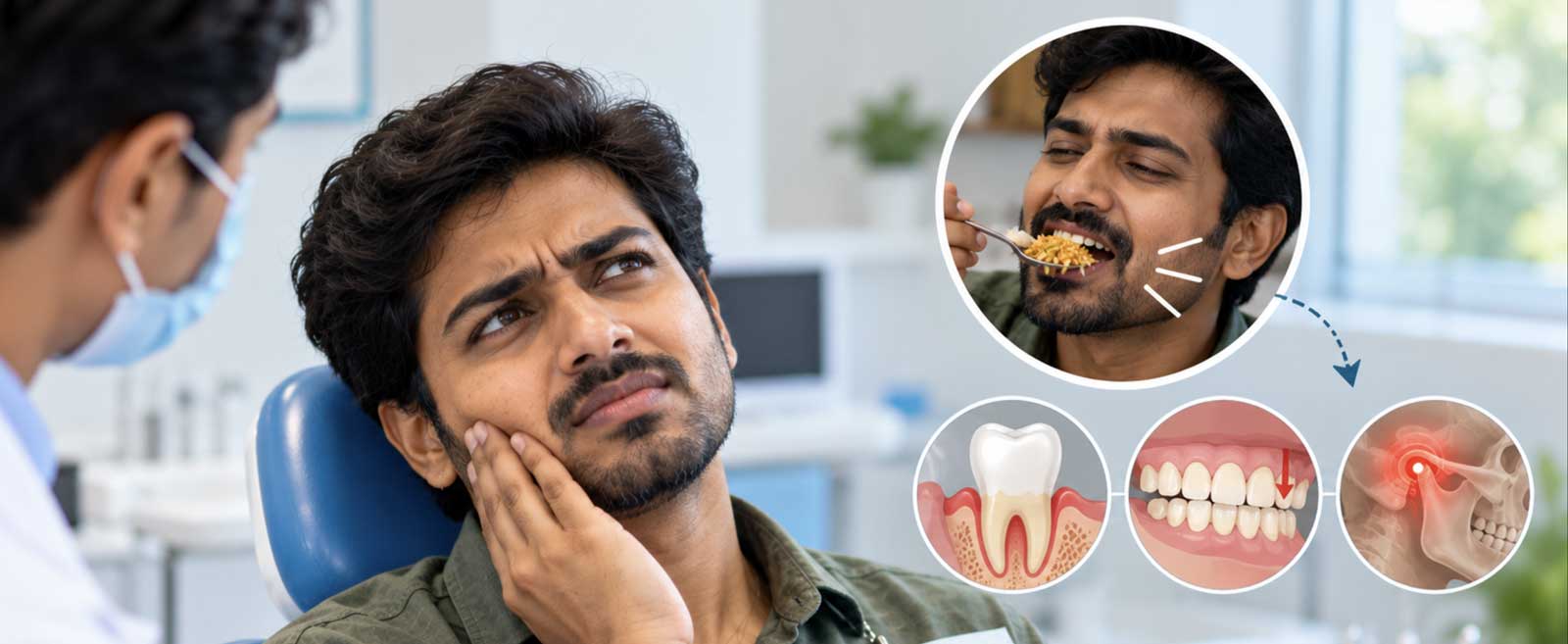
Why Chewing on One Side Can Create Long-Term Dental Problems

Chewing on one side of the mouth may seem like a harmless habit, especially if you have been doing it for years. However, consistently favouring one side while eating can place uneven stress on your teeth, gums, jaw muscles and temporomandibular joint (TMJ). Over time, this may contribute to dental wear, jaw discomfort and other oral health concerns.

At Maeoris Dental Clinic, a leading choice for patients seeking the best dental clinic in Madurai and Dindigul, we emphasise the importance of identifying everyday habits that can affect long-term dental problems. Understanding why one-sided chewing occurs is the first step towards preventing potential complications.

What Causes One-Sided Chewing?

People may develop a preference for chewing on one side for several reasons. Sometimes, it is simply a habit formed over time. In other cases, it may indicate an underlying dental problem that needs attention.

Common causes include:

  • Tooth pain or sensitivity: Cavities, cracked teeth or sensitivity may make chewing on one side uncomfortable.
  • Missing teeth: Gaps in the dental arch can make chewing less efficient on one side.
  • Damaged dental restorations: A poorly fitting crown, bridge or filling may affect how the teeth come together.
  • Gum disease: Inflamed or tender gums can make chewing uncomfortable.
  • Bite misalignment: An uneven bite may cause a person to favour one side while eating.
  • Jaw joint discomfort: TMJ-related symptoms may lead to changes in chewing patterns.

If you regularly chew on only one side, it is important to determine whether the habit is caused by discomfort, a bite problem or another dental concern.

6 Long-Term Dental Problems Associated with One-Sided Chewing

1. Uneven Tooth Wear

Chewing repeatedly on the same side exposes those teeth to more frequent functional loading. Depending on the intensity of chewing, bite alignment and other factors, this may contribute to uneven tooth wear.

Excessive wear can gradually affect the shape of the teeth and, in some cases, increase sensitivity or compromise the integrity of the tooth structure.

2. Jaw Muscle Strain and Discomfort

The muscles responsible for chewing work together to move the lower jaw. Consistently favouring one side may alter how these muscles are recruited during eating.

Some people may experience muscle fatigue, tenderness around the jaw or discomfort while chewing. However, one-sided chewing does not automatically cause jaw disorders, and these symptoms can have several underlying causes.

3. Temporomandibular Joint (TMJ) Problems

The temporomandibular joints connect the lower jaw to the skull and help facilitate speaking, chewing and other jaw movements.

When chewing patterns are altered because of pain, bite problems or other oral conditions, the distribution of forces across the jaw may also change. This can sometimes coexist with TMJ symptoms, including clicking, stiffness or discomfort when opening the mouth.

Persistent symptoms should be evaluated by a dentist rather than attributed to chewing habits alone.

4. Increased Plaque Accumulation on the Less-Used Side

The side you use less for chewing may receive less mechanical cleaning from food movement. However, chewing is not a substitute for brushing and flossing, and there is limited evidence that one-sided chewing alone directly causes plaque accumulation on the opposite side.

Both sides of the mouth require equal attention during daily oral hygiene. Plaque left undisturbed can contribute to tooth decay and gum disease, regardless of which side you use to chew.

5. Difficulty Maintaining Balanced Chewing Function

Chewing involves coordinated movement of the teeth, jaw joints and muscles. A persistent preference for one side may reflect an underlying problem that interferes with this coordination.

For example, a missing tooth or an uneven bite may make chewing on one side more comfortable than the other. If the cause remains untreated, the person may continue to experience difficulty chewing certain foods efficiently.

A dental assessment can help identify the reason behind this imbalance and determine whether treatment is necessary.

6. Delayed Detection of Underlying Dental Problems

One of the most important concerns is that one-sided chewing can mask an existing dental issue.

If you avoid chewing on a particular side because of pain, you may become accustomed to the habit without addressing its cause. A cavity, cracked tooth, gum problem or damaged restoration could continue to progress while the discomfort is temporarily avoided.

Identifying the cause early can help prevent the problem from becoming more complicated and may reduce the need for extensive treatment.

Is Chewing on One Side Always Harmful?

No. Occasionally chewing more on one side is normal, and temporary one-sided chewing may be necessary after dental treatment or during recovery from an oral injury.

The concern arises when the habit becomes persistent, particularly when it is accompanied by pain, sensitivity, difficulty chewing or jaw discomfort.

Rather than forcing yourself to chew on both sides, it is better to identify why you prefer one side in the first place. If a dental condition is responsible, treating it is more important than simply changing your chewing pattern to stop long-term dental problems.

How Can You Prevent Problems Caused by One-Sided Chewing?

A few practical steps can help you maintain better oral health:

  • Schedule a dental examination: Have persistent one-sided chewing assessed by a dentist to identify possible causes.
  • Address missing teeth: Depending on your oral health and clinical needs, suitable replacement options may include dental implants or bridges.
  • Treat tooth decay and damage early: Cavities, cracked teeth and faulty restorations should be evaluated before they cause further discomfort.
  • Maintain good oral hygiene: Brush twice daily with fluoride toothpaste and clean between your teeth every day.
  • Pay attention to jaw symptoms: Seek dental advice if you experience recurring pain, clicking accompanied by discomfort, locking or restricted jaw movement.
  • Avoid forcing a change in chewing habits: If one side hurts, do not continue chewing on it just to distribute the load. Have the discomfort evaluated first.

When Should You Visit a Dentist?

Consider booking a dental consultation if you notice any of the following:

  • You consistently chew on only one side of your mouth.
  • One side of your mouth hurts when you eat.
  • You have difficulty chewing hard or firm foods.
  • Your jaw feels tired, stiff or uncomfortable during meals.
  • You have missing teeth or a damaged crown, bridge or filling.
  • Your teeth do not seem to meet comfortably when you bite.

Early evaluation can help identify the underlying cause and guide appropriate treatment.

Protect Your Long-Term Oral Health with Maeoris Dental

Healthy chewing depends on the coordinated function of your teeth, gums, jaw muscles and joints. While chewing on one side does not necessarily lead to long-term dental problems, a persistent preference may be a sign of an underlying dental problem that should not be ignored.

At Maeoris Dental, patients receive dental care guided by clinical assessment and appropriate treatment planning. Whether the concern involves tooth decay, missing teeth, bite alignment or discomfort while chewing, identifying the cause is essential to maintaining long-term oral health.

If you have been searching for the best dental clinic in Madurai or the best dental clinic in Dindigul, consider scheduling a dental check-up if one-sided chewing has become a regular habit.

Book a dental consultation at Maeoris Dental Clinic to understand your chewing concerns and explore suitable treatment options for a healthier smile. Book an appointment today.

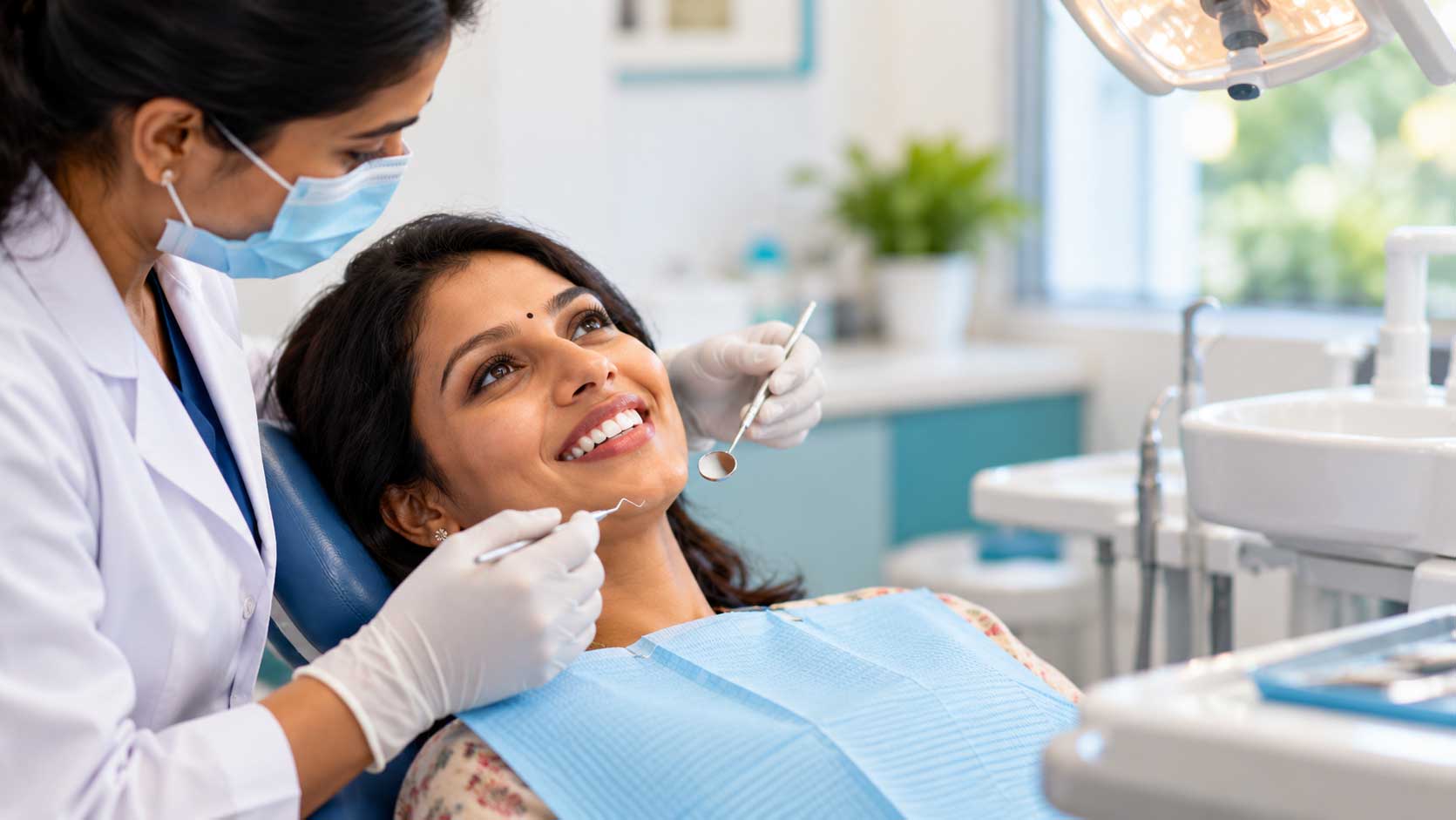
Why Regular Dental Check-Ups Are Essential Even Without Pain

Many people visit a dentist only when they experience tooth pain, sensitivity, swelling, or another noticeable problem. But no pain does not always mean healthy teeth and gums. Several dental conditions can develop silently and may only become noticeable after they have progressed.

Regular dental check-ups allow problems to be identified early, often before they cause discomfort or require more complex treatment. From detecting early cavities and gum disease to monitoring existing restorations and checking your overall oral health, preventive dental visits are an important part of maintaining a healthy smile.

If you are looking for the best dental clinic in Madurai or the best dental clinic in Dindigul for preventive and comprehensive dental care, understanding the importance of routine dental examinations is a good place to start. Maeoris Dental Clinic explains this for you.

Why Do You Need a Dental Check-Up If Nothing Hurts?

Tooth pain is usually a symptom, not an early warning system.

Cavities, gum disease, enamel wear, bone loss and other dental conditions can progress without causing noticeable symptoms in their initial stages. By the time pain develops, the problem may already require more extensive treatment.

A routine dental examination helps your dentist look beyond what you can feel and identify changes that may otherwise go unnoticed.

1. Cavities Can Develop Without Pain

Dental decay does not always cause immediate sensitivity or pain. Early-stage cavities may be completely symptom-free.

During a dental check-up, your dentist can examine your teeth for signs of decay and assess areas that may be difficult to identify at home. Depending on your oral condition, dental X-rays may also be recommended to detect decay between teeth or beneath existing restorations.

Early detection can mean a simpler restoration rather than waiting until the decay reaches deeper layers of the tooth.

2. Gum Disease Can Be Silent

Gum disease is another condition that can progress without significant pain.

Early gum disease may present as:

  • Bleeding while brushing or flossing
  • Red or swollen gums
  • Persistent bad breath
  • Gum tenderness
  • Gum recession

However, some people may have little or no noticeable symptoms.

If gum disease progresses, it can affect the tissues and bone supporting the teeth, potentially leading to tooth mobility and tooth loss. Regular dental examinations and professional cleaning can help detect and manage gum problems before they become more advanced.

3. Your Dentist Can Detect Problems You May Not Notice

You see your teeth every day, but some dental changes are difficult to identify without a professional examination.

A dentist can assess:

  • Tooth decay
  • Gum health
  • Plaque and tartar accumulation
  • Tooth wear and enamel damage
  • Cracks or fractures
  • Existing fillings, crowns and bridges
  • Bite and tooth alignment
  • Signs of grinding or clenching
  • Changes in the supporting bone and oral tissues

This makes a routine dental visit more than just a search for cavities.

4. Existing Dental Work Also Needs Monitoring

Fillings, crowns, bridges, veneers and implant-supported restorations are designed to function for years, but they still require regular monitoring.

Over time, restorations can experience wear, marginal changes, fractures or problems with the surrounding teeth and gums. Regular examinations allow your dentist to identify such changes and recommend appropriate intervention when necessary.

For patients with dental implants, routine follow-ups are particularly important for monitoring the health of the gums and bone around the implant as well as the condition of the prosthetic restoration.

5. Professional Cleaning Helps Control Plaque and Tartar

Brushing and flossing are essential for daily oral hygiene, but they cannot always remove hardened tartar.

Professional dental cleaning can help remove accumulated deposits from areas that are difficult to clean effectively at home. Your dentist can also guide you on brushing technique, flossing, interdental cleaning and other personalised oral hygiene measures.

The goal is not simply to clean your teeth during a visit, but to help you maintain better oral health between appointments.

6. Regular Visits Can Help Prevent Tooth Loss

Tooth loss is not always caused by sudden trauma or severe decay. Gum disease, untreated cavities, fractures and other dental problems can gradually compromise a tooth.

Preventive dental care focuses on identifying these problems early and preserving natural teeth whenever possible.

A regular check-up can therefore be an important part of a long-term strategy for maintaining your natural teeth.

7. Children and Teenagers Benefit From Regular Monitoring Too

Regular dental examinations are not only for adults.

For children and teenagers, dental visits can help monitor:

  • Tooth eruption
  • Jaw and facial development
  • Oral hygiene
  • Cavities
  • Bite and alignment
  • Habits that may affect dental development

Early identification of alignment or bite-related concerns can also help determine whether orthodontic evaluation may be beneficial.

8. Your Dental Check-Up Is Also a Preventive Assessment

A comprehensive dental visit is about more than treating an existing problem. It is an opportunity to assess your current oral health and identify potential risks.

Your dentist may recommend preventive measures based on factors such as:

  • Your cavity risk
  • Gum health
  • Oral hygiene
  • Diet and lifestyle
  • Existing dental restorations
  • Previous dental treatments
  • Age and stage of dental development

This allows dental care to become more proactive rather than simply reactive.

How Often Should You Visit the Dentist?

There is no single interval that is appropriate for everyone.

Some people may benefit from dental examinations every six months, while those with a higher risk of cavities, gum disease, dental complications or other oral health concerns may require more frequent visits.

Your dentist can recommend a recall schedule based on your individual oral health rather than following a fixed timetable.

What Happens During a Routine Dental Check-Up?

Depending on your needs, a dental examination may include:

  1. Clinical examination – Your teeth, gums and other oral tissues are examined.
  2. Assessment of existing dental work – Fillings, crowns, bridges or implant restorations may be evaluated.
  3. Gum assessment – Your dentist checks for signs of inflammation, recession or periodontal problems.
  4. Evaluation of your bite – Your dentist may assess tooth contact, alignment and signs of excessive wear.
  5. X-rays when required – Radiographs may be recommended when areas cannot be adequately assessed through a clinical examination alone.
  6. Professional cleaning – Scaling or other preventive procedures may be advised when necessary.
  7. Personalised guidance – Your dentist can recommend appropriate oral hygiene and preventive measures.

Not every patient requires every procedure at every visit. Your dental care should be based on your individual needs.

Don’t Wait for Tooth Pain to Visit the Dentist

One of the biggest misconceptions about dental health is that a person only needs treatment when something hurts.

In reality, preventive dentistry aims to identify problems before they become painful, extensive or more difficult to manage.

A small cavity may be easier to restore than a tooth with extensive decay. Early gum disease may be easier to control than advanced periodontal disease. A minor problem with a restoration may be easier to address before it affects the underlying tooth.

Regular dental check-ups give you the opportunity to stay ahead of these problems.

Choose Preventive Dental Care at Maeoris Dental Clinic

At Maeoris Dental Clinic, our approach combines preventive care with comprehensive diagnosis and modern digital dentistry. With advanced diagnostic and treatment technologies, dental conditions can be evaluated with greater precision and appropriate treatment can be planned based on individual needs.

Whether you need a routine dental examination, professional cleaning, restorative treatment, orthodontic assessment or implant-related follow-up, regular monitoring plays an important role in maintaining long-term oral health.

If you are searching for the best dental clinic in Madurai or the best dental clinic in Dindigul, make preventive dental care part of your oral health routine.

Healthy teeth should not need to hurt before they receive attention. Schedule a dental check-up and stay ahead of potential problems.

Book an appointment today.

Frequently Asked Questions

1. Do I need a dental check-up if my teeth feel completely fine?
Yes. Several dental conditions, including early cavities and gum disease, may not cause noticeable symptoms. Routine examinations help identify these problems early.

2. How often should I have a dental check-up?
The ideal frequency depends on your oral health and risk factors. Your dentist can recommend a personalised follow-up schedule.

3. Can a dentist detect cavities before they cause pain?
Yes. A clinical examination and, when necessary, dental X-rays can help identify cavities before they cause significant symptoms.

4. Is professional teeth cleaning necessary if I brush twice a day?
Daily brushing and interdental cleaning are essential, but hardened tartar may require professional removal. Your dentist can determine whether professional cleaning is needed.

5. Are regular check-ups important after getting dental implants?
Yes. Regular follow-ups help monitor the tissues around the implant and the condition and function of the implant-supported restoration.

6. What is the difference between preventive and emergency dental care?
Preventive dental care focuses on maintaining oral health and identifying problems early. Emergency care addresses urgent issues such as severe pain, trauma, swelling or infection.

How Teeth Alignment Affects Jaw Joint Health (TMJ)

Your teeth do more than create your smile. The way your upper and lower teeth come together influences how you chew, speak and move your jaw. When teeth are crowded, rotated, excessively spaced or the bite is not properly balanced, the jaw muscles and temporomandibular joints (TMJs) may have to adapt to the way the teeth meet.

This is why teeth alignment and jaw joint health are often considered together during a comprehensive dental and orthodontic evaluation.

At Maeoris Dental Clinic, the best dental clinic in Madurai and Dindigul, advanced digital dentistry allows our dental team to assess tooth alignment, bite relationships and jaw joint health function as part of a personalised treatment plan.

What Is the TMJ?

The temporomandibular joint (TMJ) is the joint that connects your lower jawbone to your skull. You have one joint on each side of your face, located just in front of your ears.

The TMJs allow your jaw to perform movements needed for everyday activities such as:

  • Opening and closing your mouth
  • Chewing food
  • Speaking
  • Yawning
  • Moving your jaw from side to side

These movements involve not only the joint itself but also several muscles, ligaments and other supporting structures.

When these structures become irritated, overloaded or dysfunctional, a person may experience symptoms commonly referred to as temporomandibular disorders (TMD).

What Does Teeth Alignment Have to Do With the TMJ?

Your teeth, jaw muscles and TMJs work together as part of the same chewing system.

Ideally, your teeth should come together in a way that allows the jaw to function comfortably and efficiently. However, certain types of malocclusion, meaning an improper relationship between the upper and lower teeth can affect how the jaw moves.

For example, crowded teeth, crossbite, deep bite, open bite or significant discrepancies in the way the teeth meet may influence chewing patterns and muscle activity.

However, it is important to understand that malocclusion alone does not necessarily cause TMJ problems. TMD can have several contributing factors, including stress, teeth grinding or clenching, trauma, muscle tension and joint-related conditions.

5 Ways Poor Tooth Alignment May Affect Jaw Function

1. It Can Change the Way Your Teeth Come Together

When teeth are not properly aligned, the upper and lower teeth may contact each other unevenly.

The jaw may naturally adjust its position or movement to find a comfortable bite. In some individuals, this can contribute to increased strain on the muscles involved in chewing.

A detailed bite assessment can help determine whether the way your teeth meet is affecting normal jaw function.

2. It May Influence Chewing Patterns

When teeth are crowded or the bite is significantly altered, chewing may not occur evenly on both sides.

Over time, favouring one side of the mouth may place different demands on the muscles and joints on either side of the jaw.

This does not mean that every person with misaligned teeth will develop TMJ symptoms, but identifying unusual chewing patterns can be an important part of a comprehensive dental evaluation.

3. It Can Be Associated With Jaw Muscle Tension

Your jaw muscles continuously work when you chew and speak.

If the bite is uncomfortable or the muscles are compensating for an irregular tooth relationship, some people may experience muscle fatigue or tension.

Jaw muscle discomfort can sometimes be felt around the cheeks, temples or near the ears and may be more noticeable after prolonged chewing.

4. Teeth Grinding Can Add Further Stress

Bruxism, or teeth grinding and clenching, can place considerable forces on the teeth, muscles and TMJs.

When bruxism occurs alongside an existing bite problem, the combined forces may contribute to tooth wear, muscle discomfort or jaw symptoms in some individuals.

If you frequently wake up with jaw tightness, headaches or sensitive teeth, it is worth discussing these symptoms with a dentist.

5. It May Affect Long-Term Dental and Jaw Function

Orthodontic treatment is not simply about creating straighter teeth.

When appropriately planned, orthodontic treatment can improve the relationship between the teeth and establish a more functional bite. However, treatment goals should always be based on the individual patient’s dental, skeletal and functional characteristics—not solely on the appearance of the smile.

Signs That Your Jaw May Need Attention

Pay attention if you regularly experience:

  • Clicking or popping sounds from the jaw
  • Difficulty or discomfort when opening your mouth
  • Jaw stiffness
  • Pain while chewing
  • Facial or jaw muscle soreness
  • Frequent headaches around the temples
  • Ear-area discomfort without an obvious ear problem
  • A feeling that your bite has suddenly changed
  • Difficulty opening your mouth fully
  • Jaw locking

Occasional clicking without pain or restricted movement is relatively common and does not automatically indicate a serious TMJ disorder. However, persistent pain, locking or difficulty moving the jaw should be professionally evaluated.

Can Braces or Aligners Improve TMJ Health?

Orthodontic treatment can correct certain types of tooth and bite problems, but it should not be presented as a universal treatment for TMJ disorders.

Braces and clear aligners can move teeth into planned positions and improve certain malocclusions. Whether orthodontic treatment is appropriate for someone experiencing TMJ symptoms depends on the underlying cause.

Depending on the diagnosis, TMJ management may involve:

  • Behavioural and lifestyle modifications
  • Managing teeth clenching or grinding
  • Physiotherapy or jaw exercises
  • Pain management
  • Bite or orthodontic treatment in selected cases
  • Management of other underlying dental or joint conditions

A proper diagnosis should come before deciding whether orthodontic treatment is appropriate.

Why Digital Dentistry Can Help With Bite and Alignment Planning

Modern orthodontics has moved beyond simply looking at teeth from the outside.

Digital technologies can help dentists and orthodontists evaluate tooth positions, bite relationships and treatment progress with greater visualisation and planning accuracy.

At Maeoris Dental Clinic, the best dental clinic in Madurai and Dindigul, digital dentistry is integrated into treatment planning to help create a more comprehensive understanding of each patient’s dental condition. Depending on the treatment, digital scans, imaging and other diagnostic records can be used to plan tooth movement and evaluate the relationship between different structures.

This approach supports precision-driven, personalised orthodontic treatment rather than relying on a one-size-fits-all approach.

Does Everyone With Crooked Teeth Need Orthodontic Treatment?

No.

Not every person with crowded or misaligned teeth will develop TMJ problems, and not every person with TMJ symptoms has an alignment problem.

The decision to undergo orthodontic treatment should consider:

  • Severity and type of malocclusion
  • Tooth and jaw position
  • Oral health
  • Functional concerns
  • Existing TMJ symptoms
  • Facial and skeletal characteristics
  • Long-term treatment goals

A professional assessment can help determine whether treatment is necessary and which approach is appropriate.

When Should You See a Dentist or Orthodontist?

Consider scheduling an evaluation if you have crooked or crowded teeth along with jaw pain, clicking, locking, difficulty chewing or frequent jaw tension.

Early assessment can help identify whether your symptoms are related to tooth alignment, muscle activity, bruxism, the TMJ itself or another dental condition.

The goal should not simply be to make the teeth look straighter. A comprehensive treatment plan considers aesthetics, function, stability and overall oral health.

Teeth Alignment and TMJ Health: The Bottom Line

Teeth alignment, bite and jaw function are closely connected parts of the oral system. Certain bite problems may influence how the jaw muscles and TMJs function, but TMJ disorders have multiple possible causes and cannot always be attributed to crooked teeth.

If you are concerned about your bite, jaw pain or tooth alignment, a comprehensive dental and orthodontic assessment can help identify the underlying issue and determine whether treatment is required.

Looking for the best dental clinic in Madurai or the best dental clinic in Dindigul for advanced orthodontic and digital dental care? Maeoris Dental combines clinical expertise with advanced digital technology to plan personalized treatment based on each patient’s needs.

Book an appointment today.

Common Myths About Dental Implants Debunked

Dental implants have become one of the most reliable options for replacing missing teeth. Yet, despite their growing popularity, many people still have concerns about implant treatment. Questions about pain, safety, cost, healing time and whether implants are suitable for everyone can often lead to confusion.

Some of these concerns are based on genuine questions, while others come from common dental implant myths that are not entirely accurate.

In this blog, we separate fact from fiction to help you understand what dental implants really involve and what you can expect from treatment. Let’s debunk the myths with Maeoris Dental Clinic, the best dental clinic in Madurai and Dindigul

What Are Dental Implants?

A dental implant is a small titanium or biocompatible implant fixture that is placed into the jawbone to replace the root portion of a missing tooth. Once the implant integrates with the surrounding bone, it can support a dental crown, bridge or other prosthetic restoration.

Unlike removable dentures, dental implants are designed to provide a stable foundation for replacement teeth.

However, implant treatment is not identical for every patient. The treatment plan depends on factors such as bone availability, gum health, overall oral health, the number of missing teeth and the type of restoration required.

Myth 1: Dental Implants Are Extremely Painful

Fact: Implant placement is performed under appropriate local anaesthesia, so you should not feel the surgical procedure itself.

Some soreness, swelling or discomfort can occur after the procedure as the tissues heal. Your dentist may recommend medications and specific aftercare instructions to help manage these symptoms.

The level of discomfort can also vary depending on the complexity of the procedure and the number of implants being placed.

Myth 2: Dental Implants Are Only for Older People

Fact: Age alone does not determine whether someone is suitable for dental implants.

Adults who have finished jaw growth may be candidates for implant treatment, provided they have suitable oral and general health and adequate conditions for implant placement.

Younger adults can require implants following tooth loss due to trauma, decay or other causes, while older adults may also benefit from them.

The important question is not simply “How old are you?”, but whether your individual clinical condition is suitable for implant treatment.

Myth 3: Dental Implants Look Fake

Fact: Modern implant restorations can be designed to closely resemble natural teeth.

The final appearance depends on several factors, including implant position, gum contours, tooth shape, colour and the quality of the prosthetic restoration.

Digital dentistry has further improved the ability to plan implant treatment and design restorations with greater precision.

At Maeoris Dental Clinic, our digitally integrated workflow allows implant cases to be planned using advanced imaging, digital scanning and computer-aided technologies where clinically appropriate.

Myth 4: Dental Implants Can Fall Out Easily

Fact: Dental implants are designed to integrate with the jawbone through a biological process called osseointegration.

Once healing and integration are successfully achieved, an implant can provide a stable foundation for a replacement tooth.

However, implants are not indestructible. Poor oral hygiene, gum disease, smoking, excessive forces and inadequate maintenance can affect implant health.

Regular dental check-ups and good oral hygiene are therefore important after implant treatment.

Myth 5: You Need Perfect Bone for Dental Implants

Fact: Having reduced bone does not automatically mean that implants are impossible.

When teeth are missing for a long period, the jawbone can gradually lose volume. Depending on the amount and location of bone loss, different treatment approaches may be considered.

In selected cases, procedures such as bone grafting or sinus augmentation may help create suitable conditions for conventional implants.

For patients with severe upper-jaw bone loss, specialised implant solutions such as zygomatic implants may also be considered in appropriate cases.

The right approach can only be determined after detailed clinical and radiographic evaluation.

Myth 6: Dental Implants Are Only for a Single Missing Tooth

Fact: Dental implants can be used in several different tooth-replacement situations.

Depending on the patient’s needs, implants may be used for:

  • Replacing a single missing tooth
  • Supporting an implant bridge
  • Replacing multiple missing teeth
  • Stabilising certain types of dentures
  • Supporting full-arch implant rehabilitation

For patients who have lost many or all of their teeth, full-mouth or full-arch implant rehabilitation may provide a fixed alternative to conventional removable dentures when clinically appropriate.

Myth 7: Dental Implants Are the Same as Dentures

Fact: Dental implants and dentures are different treatment options.

Traditional dentures are removable prosthetic teeth that rest on the gums and surrounding oral structures.

Dental implants are placed into the jawbone and can provide support for fixed or removable prosthetic restorations, depending on the treatment plan.

The right option depends on your oral health, bone condition, expectations, budget and clinical requirements.

Myth 8: Dental Implants Take Years to Complete

Fact: Implant treatment does involve a healing period, but the overall timeline varies considerably between patients.

Some straightforward cases can progress relatively quickly, while complex cases may require additional procedures or longer healing periods.

In selected cases, immediate loading or same-day provisional teeth may be possible. However, this is not suitable for everyone.

At Maeoris Dental, digital planning and advanced in-house prosthetic capabilities can help streamline appropriate implant workflows while maintaining clinical considerations.

Myth 9: Dental Implants Do Not Need Any Maintenance

Fact: Dental implants still require regular care.

Although the implant itself is not a natural tooth and cannot develop a cavity, the surrounding gums and bone can still be affected by bacterial plaque and inflammation.

Poor maintenance can contribute to conditions such as peri-implant mucositis and peri-implantitis, which can compromise the tissues supporting an implant.

To maintain your implants:

  • Brush twice a day
  • Clean between your teeth and around the implant
  • Follow your dentist’s recommended oral hygiene routine
  • Attend regular dental check-ups
  • Have professional cleaning when recommended
  • Avoid smoking or tobacco use

Think of an implant as a long-term investment in your oral health—not a treatment that can simply be forgotten after placement.

Myth 10: Dental Implants Last Forever Without Any Problems

Fact: Dental implants can provide long-term tooth replacement, but their longevity depends on several factors.

Implant success and long-term maintenance can be influenced by:

  • Oral hygiene
  • Gum health
  • Bone quality and quantity
  • Implant positioning
  • Prosthetic design
  • Smoking
  • Teeth grinding or excessive biting forces
  • Regular professional maintenance

The implant and the prosthetic tooth should both be monitored over time.

With appropriate planning, maintenance and follow-up, dental implants can be a durable tooth-replacement solution for many patients.

Myth 11: Dental Implants Are Not Safe

Fact: Dental implants are an established treatment option in modern dentistry and have been used for decades.

Like any surgical or dental procedure, implant treatment carries potential risks and is not appropriate for every patient.

A thorough evaluation helps identify factors that could affect treatment, such as uncontrolled gum disease, insufficient bone, certain medical conditions, smoking habits or inadequate oral hygiene.

Your dentist should explain the potential benefits, limitations and risks before treatment begins.

Myth 12: All Dental Implant Treatments Are the Same

Fact: Implant treatment can vary significantly from one patient to another.

The number and position of implants, type of implant system, bone condition, surgical approach and final restoration all influence the treatment plan.

Advanced digital workflows can provide additional information for planning complex cases.

At Maeoris Dental Clinic, our implant dentistry journey has evolved from conventional implant treatment to a digitally integrated workflow incorporating CBCT imaging, intraoral scanning, CAD-CAM prosthetics, dynamic surgical navigation and implant photogrammetry.

The integration of technologies such as X-Guide navigation and Shining 3D photogrammetry can support greater precision in appropriately selected full-arch implant cases.

How Digital Implant Dentistry Can Improve Treatment Planning

Modern implant dentistry is increasingly driven by digital planning.

Technologies such as:

  • 3D CBCT imaging
  • Intraoral scanners
  • Digital smile and facial scanning
  • CAD-CAM prosthetic design
  • Surgical navigation
  • Implant photogrammetry

can provide clinicians with detailed information for diagnosis, surgical planning and prosthetic fabrication.

At Maeoris Dental, our digital implant workflow has evolved over the years to bring surgical and prosthetic planning closer together. The integration of X-Guide Next navigation with photogrammetry represents a further step towards connecting implant placement with highly precise prosthetic planning.

This technology is particularly valuable in complex implant cases where accurate implant positioning and prosthetic fit are important considerations.

Are Dental Implants Right for You?

Dental implants can be an excellent option for many people with missing teeth, but they are not automatically the right solution for everyone.

A proper implant assessment typically considers:

  • Number and location of missing teeth
  • Jawbone quantity and quality
  • Gum health
  • Existing teeth
  • Bite and occlusion
  • Oral hygiene
  • Medical history
  • Smoking and lifestyle factors
  • Desired type of restoration

Your dentist can use clinical examination and appropriate imaging to determine which treatment options are suitable for you.

Choose Expertise and Precision for Your Implant Treatment

Choosing dental implants is more than choosing an implant fixture. Successful treatment involves diagnosis, surgical planning, implant placement, healing, prosthetic design and long-term maintenance.

At Maeoris Dental Clinic, our approach combines extensive implant experience with advanced digital technology to plan and deliver personalised implant solutions.

From single-tooth replacement to complex full-arch rehabilitation, treatment is planned according to the patient’s individual clinical requirements.

If you are looking for dental implants in Madurai or advanced implant treatment at a best dental clinic in Madurai or Dindigul, a professional consultation can help you understand your options and whether dental implants are suitable for you. Book your appointment today.

Frequently Asked Questions About Dental Implant Myths

Are dental implants painful?

The implant placement procedure is performed under appropriate anaesthesia. Mild discomfort, swelling or soreness may occur during the healing period.

How long do dental implants last?

Dental implants are designed for long-term use, but their longevity varies between individuals and depends on factors such as oral hygiene, gum health, implant care and biting forces.

Can dental implants be placed if I have bone loss?

Possibly. The treatment depends on the extent and location of bone loss. Bone augmentation or specialised implant techniques may be considered in selected cases.

Can anyone get dental implants?

Not everyone is an immediate candidate. A dentist needs to evaluate your bone, gums, oral health, bite and overall suitability before recommending implant treatment.

Are dental implants better than dentures?

There are different treatment options. For some patients, implants can provide greater stability, while dentures may be more appropriate in other situations. The best choice depends on individual clinical and personal factors.

Book an appointment