For Appointments:

Dindigul: +91 98421 02384
Madurai: +91 73737 36096

Connect With Us:

How Maeoris Dental Clinic Is Transforming Dental Implant Treatment with India’s First Navigation-Guided Photogrammetry Workflow

Know more about India’s first navigation-guided photogrammetry workflow.

When replacing missing teeth with dental implants, success isn’t just about placing an implant, it’s about placing it with absolute precision. Every millimetre matters. The position of an implant determines how well your new teeth fit, how comfortably you can chew, and how long your restoration lasts.

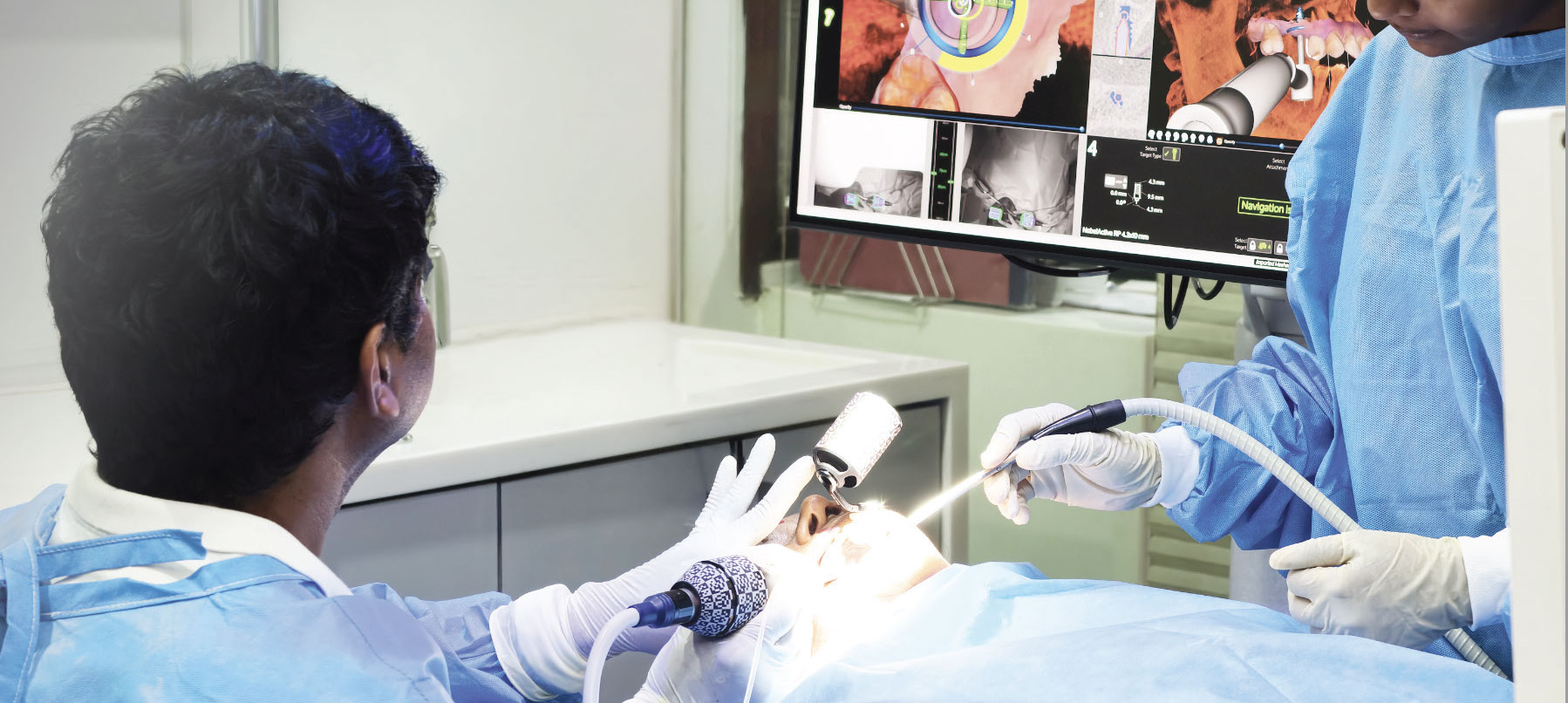
As digital dentistry continues to evolve, advanced technologies are making implant treatment more predictable than ever before. In a significant milestone for Indian dentistry, Maeoris Dental Clinic has become the first clinic in India to integrate advanced photogrammetry technology with the latest X-Guide NXT Dynamic Navigation System, creating a fully digital workflow for implant treatment.

Why Precision Is So Important in Dental Implants

Dental implants are designed to replace missing tooth roots and support crowns, bridges, or full-mouth restorations. However, even the best implant system can only deliver excellent results if it is placed in the correct position.

Small variations in implant placement can affect:

  • The fit of the final teeth
  • Bite alignment and chewing efficiency
  • Patient comfort
  • Long-term durability of the restoration

This becomes even more important in patients receiving multiple implants or a full set of fixed teeth. This is where Navigation-guided photogrammetry comes into picture.

Navigation-Guided Photogrammetry Technology: A GPS for Dental Implants

Imagine using GPS while driving, it helps you reach the exact destination with confidence.

The X-Guide NXT Dynamic Navigation System works in a similar way for dental implants. Before treatment, a detailed 3D CBCT scan is used to digitally plan the ideal position of every implant. During surgery, the navigation system tracks the implant in real time, allowing the clinician to follow the planned path with exceptional accuracy.

This level of guidance helps improve precision, particularly in complex implant procedures where every millimetre matters.

What Is Photogrammetry?

While navigation technology ensures implants are placed accurately, another challenge remains, creating replacement teeth that fit those implants perfectly.

Traditionally, dentists relied on physical impressions or conventional digital scans to record implant positions. Although effective, these methods can become less accurate when several implants are involved, particularly in full-mouth implant treatments.

Photogrammetry is one of the latest advances in digital implant dentistry.

Using advanced optical imaging, the technology captures the exact three-dimensional position of implants with remarkable precision. Instead of depending on traditional impressions, photogrammetry creates an extremely accurate digital record, helping clinicians fabricate restorations that fit more precisely from the start.

At Maeoris Dental, this is achieved using the Shining 3D Elite Photogrammetry System, seamlessly integrated with the X-Guide Next Navigation platform. This is how Navigation-guided photogrammetry works.

How Does This Benefit Patients?

The combination of navigation technology and photogrammetry creates a smoother and more predictable treatment experience.

Patients can benefit from:

  • Better-fitting implant-supported teeth
  • Greater comfort while eating and speaking
  • Fewer adjustments after treatment
  • Reduced number of appointments
  • Improved long-term stability of the implants

A precise fit also reduces unnecessary stress on the implants and prosthetic components, helping improve the longevity of the restoration.

Why Maeoris Dental Stands Apart

Maeoris Dental’s latest achievement is not just the introduction of a new piece of equipment, it’s the integration of every stage of implant treatment into one advanced digital workflow.

From diagnosis and digital planning to implant surgery and the fabrication of final teeth, every step is digitally verified for greater accuracy.

This builds on nearly two decades of continuous investment in digital dentistry, including:

  • Advanced CBCT imaging
  • Facial scanning
  • CAD-CAM prosthetics
  • Digital impressions
  • Same-day dentistry
  • Navigation-guided implant surgery
  • In-house zirconia and metal framework manufacturing

Having successfully placed more than 10,000 Nobel Biocare implants, Maeoris continues to combine extensive clinical experience with cutting-edge technology to deliver predictable implant outcomes.

Who Can Benefit from This Technology?

Navigation-guided photogrammetry is particularly beneficial for patients requiring:

  • Full-mouth dental implants (for people who have lost all their teeth)
  • All-on-4 and full-arch restorations (a complete set of fixed teeth supported by dental implants)
  • Immediate fixed teeth solutions (for patients who do not want to wait months for replacement teeth)
  • Complex implant rehabilitation (for patients with significant bone loss or challenging dental conditions)
  • Zygomatic implant treatments (an advanced solution for patients with very little upper jaw bone)

The Future of Implant Dentistry Is Here

Modern implant dentistry is increasingly driven by digital precision. By combining real-time navigation with advanced photogrammetry, Maeoris Dental has established a new benchmark for implant treatment in India.

As the first clinic in the country to integrate navigation-guided photogrammetry technologies into a unified workflow, Maeoris Dental offers patients more than advanced equipment—it offers greater precision, enhanced comfort, improved predictability, and long-lasting confidence in their smile.

If you’re considering dental implants, choosing a clinic with advanced digital technology can make all the difference. At Maeoris Dental Clinic, innovation and experience come together to deliver implant treatment designed for precision from start to finish.
Book an appointment today.

Full Teeth Replacement with Dental Implants: Modern Full Mouth Solutions at Maeoris Dental

Advanced Full Mouth Implant Solutions (Full Teeth Replacement) at Maeoris Dental

Losing all teeth can affect much more than appearance. It can change the way you eat, speak, smile, and even the shape of your face over time. Many people who wear removable dentures also struggle with poor stability, discomfort, and difficulty chewing everyday foods.

Today, modern implant dentistry offers multiple advanced solutions for replacing total missing teeth, with stronger support, better comfort, and more natural function.

At Maeoris Dental Clinic, patients benefit from a fully digital implant ecosystem with CBCT-guided planning, dynamic navigation surgery, photogrammetry, and in-house CAD-CAM prosthetics for highly precise full-mouth rehabilitation. This technology-driven workflow has helped Maeoris become a trusted name for advanced dental implants and full-mouth rehabilitation in Tamil Nadu.

If you are searching for the best dental clinic in Madurai or the best dental clinic in Dindigul for full teeth replacement solutions, understanding your treatment options is the first step.

What Happens When All Teeth Are Missing?

When teeth are lost completely, the jawbone gradually starts shrinking due to lack of stimulation. This can lead to:

  • Difficulty chewing food
  • Facial sagging and aged appearance
  • Poor speech clarity
  • Reduced confidence
  • Loose dentures
  • Bone loss in the upper and lower jaws

Dental implants help prevent this by acting like artificial tooth roots that stimulate the bone and support fixed teeth.

Full Mouth Implant Options for Total Missing Teeth

1. Implant-Supported Dentures

This is one of the most common solutions for people who want better stability than conventional dentures.

In this method:

  • 2 to 4 implants are placed in the jaw
  • A denture snaps onto the implants
  • The denture can still be removed for cleaning

Benefits

  • Better stability than loose dentures
  • More affordable compared to fixed bridges
  • Improved chewing ability
  • Reduced denture movement

Ideal For

  • Patients looking for a budget-friendly implant option
  • Elderly patients
  • Patients with moderate bone support

2. All-on-4 or Full Arch Fixed Implants

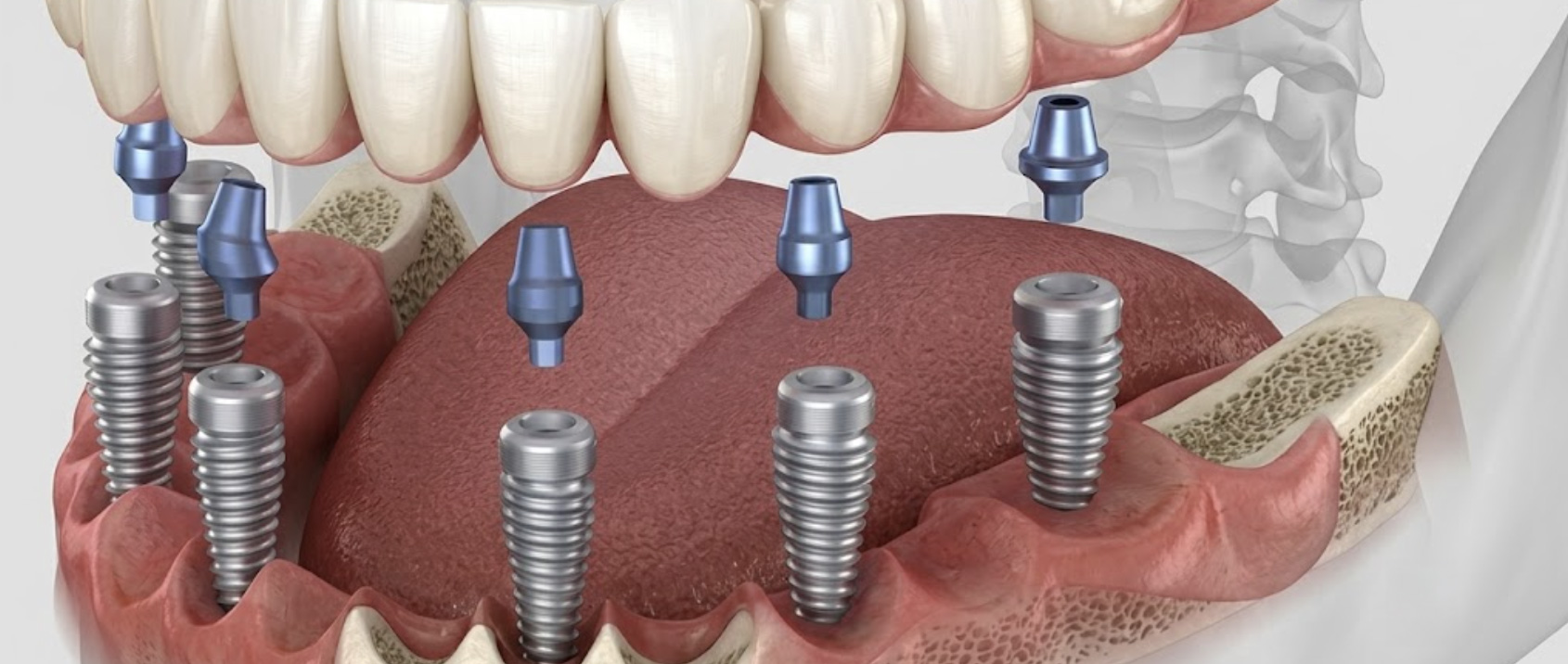
This is a highly advanced treatment where a complete set of teeth is fixed permanently using 4 to 6 implants.

At Maeoris Dental, this treatment is planned digitally using:

  • CBCT imaging
  • Dynamic navigation with X-Guide
  • Digital scanning
  • Photogrammetry for precision full-arch prosthetics

Benefits

  • Fixed teeth that do not move
  • Faster recovery
  • Improved speech and confidence
  • Natural appearance
  • Better chewing efficiency

Why Technology Matters

Full teeth replacement rehabilitation requires extreme accuracy. Even small errors in implant angulation can affect the final prosthetic fit.

Maeoris uses:

  • Real-time navigation-guided implant placement
  • PrimeScan digital impressions
  • Intraoral photogrammetry
  • In-house zirconia and metal CAD-CAM prosthetics

This helps achieve highly precise implant positioning and long-term prosthetic accuracy.

3. Zirconia Full Mouth Bridges

Zirconia is one of the strongest and most aesthetic materials used in implant dentistry today.

Maeoris Dental has an advanced in-house CAD-CAM setup capable of manufacturing zirconia restorations with high precision.

Advantages of Zirconia Full Arch Prosthetics

  • Natural-looking aesthetics
  • Excellent durability
  • Metal-free solution
  • Better stain resistance
  • Strong long-term performance

The clinic’s digital workflow allows better control over:

  • Fit
  • Bite accuracy
  • Smile design
  • Prosthetic precision

4. Zygomatic Implants for Severe Bone Loss

Some patients are told they do not have enough bone for implants. In many cases, advanced solutions are still possible for full teeth replacement.

Maeoris introduced zygomatic implants as early as 2009 for patients with severe upper jaw bone loss.

These longer implants anchor into the cheekbone (zygoma) instead of the upper jaw bone.

Benefits of Zygomatic Implants

  • Avoids complex bone grafting in many cases
  • Suitable for severe maxillary bone loss
  • Enables fixed teeth for difficult cases
  • Faster rehabilitation options

This treatment is especially useful for:

  • Long-term denture wearers
  • Patients with failed implants
  • Severe bone resorption cases

How Maeoris Digital Technology Improves Full Teeth Replacement Accuracy

Full teeth replacement is no longer based only on manual techniques. Modern digital workflows improve precision, predictability, and patient comfort.

Maeoris Dental has continuously upgraded its digital implant workflow over nearly two decades.

Technologies Used at Maeoris Dental

CBCT-Guided Implant Planning

3D imaging helps evaluate:

  • Bone quality
  • Bone volume
  • Nerve position
  • Sinus anatomy

This improves treatment planning accuracy before surgery.

Dynamic Navigation Surgery with X-Guide

Maeoris uses X-Guide dynamic navigation technology for real-time guided implant placement.

This enables:

  • High surgical precision
  • Better implant angulation control
  • Safer implant placement
  • Improved prosthetic outcomes

Navigation-guided surgery is especially important for:

  • Full-mouth implants
  • Immediate loading cases
  • Zygomatic implants
  • Complex rehabilitation

Photogrammetry for Full Arch Precision

The integration of Shining 3D Elite photogrammetry improves accuracy for full-arch implant restorations.

This helps capture exact implant positions digitally, improving:

  • Passive fit
  • Prosthetic accuracy
  • Long-term comfort
  • Full-arch stability

In-House CAD-CAM Prosthetic Manufacturing

Maeoris maintains advanced in-house prosthetic capabilities including:

  • Zirconia milling
  • Metal milling
  • Custom implant abutments
  • Full-arch frameworks

This allows:

  • Better quality control
  • Faster turnaround
  • Greater prosthetic precision
  • Improved workflow integration

Are You Eligible for Full Teeth Replacement?

Most healthy adults are eligible for dental implants.

Even patients with bone loss, loose dentures, missing teeth for many years or failed previous implants may still qualify after a detailed digital evaluation.

Maeoris Dental Clinic uses advanced diagnostics and treatment planning to determine the most suitable implant option for each patient to determine if they are eligible for full teeth replacement.

Why Patients Choose Maeoris Dental for Full Teeth Replacement

  • Nearly two decades of implant dentistry experience
  • 10,000+ Nobel Biocare implants milestone
  • Advanced digital implant workflow
  • Dynamic navigation-guided surgery
  • Full in-house prosthetic ecosystem
  • Expertise in complex implant rehabilitation
  • Early adoption of zygomatic implants
  • Precision-focused full-mouth rehabilitation

Patients searching for the best dental clinic in Madurai or the best dental clinic in Dindigul often look for a combination of clinical expertise, advanced technology, and predictable long-term outcomes, all of which play a major role in successful implant dentistry.

If you are considering full teeth replacement and looking for the best dental clinic in Madurai or the best dental clinic in Dindigul, a detailed implant consultation can help determine the most suitable option for restoring your smile and function.

Book an appointment today.

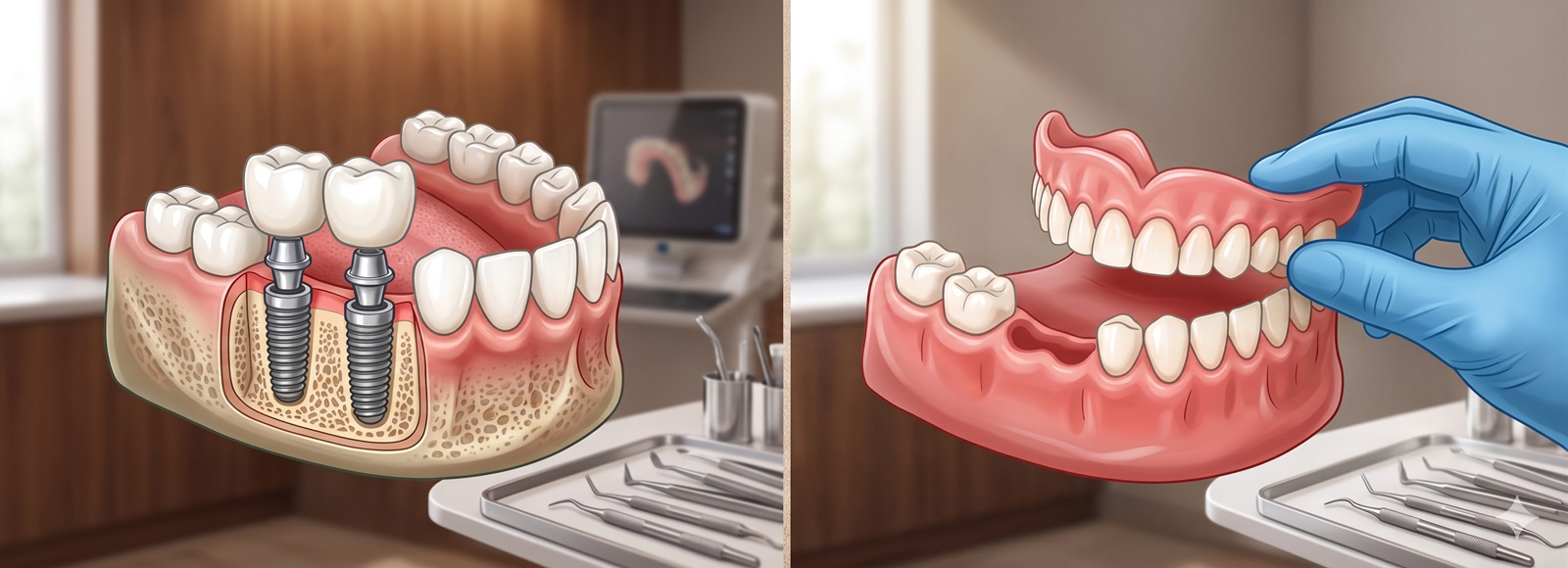
Dental Implants vs Removable Dentures: A Long-Term Comparison

Wondering if you should choose between dental implants vs removable dentures? Losing one or more teeth can affect much more than your appearance. Missing teeth can make it difficult to chew food properly, speak clearly, and maintain confidence in social situations. Fortunately, modern dentistry offers effective solutions to restore both function and aesthetics.

Two of the most common options for replacing missing teeth are dental implants and removable dentures. While both can restore your smile, they differ significantly in comfort, stability, longevity, and long-term oral health benefits.

At Maeoris Dental Clinic, recognised by many patients as one of the best dental clinics in Madurai and Dindigul, we help patients choose the most suitable treatment based on their oral condition, lifestyle, and long-term goals. So let’s help you decide between dental implants vs removable dentures.

What Are Removable Dentures?

Removable dentures are prosthetic teeth designed to replace missing teeth and can be taken out for cleaning and maintenance. They may replace a few missing teeth (partial dentures) or an entire arch of teeth (complete dentures).

Dentures have been used successfully for decades and remain a treatment option for certain patients. However, they rely on the gums and underlying bone for support, which can present challenges over time.

Advantages of Removable Dentures

  • Lower initial treatment cost
  • Non-surgical solution
  • Suitable for some patients who are not candidates for implant surgery
  • Can replace multiple missing teeth

Limitations of Removable Dentures

  • May slip or move while eating or speaking
  • Can cause sore spots and gum irritation
  • Require periodic adjustments and replacements
  • Reduced chewing efficiency
  • Do not prevent jawbone loss after tooth extraction

What Are Dental Implants?

Dental implants are titanium fixtures placed into the jawbone to replace missing tooth roots. Once integrated with the bone, they support crowns, bridges, or full-arch restorations.

Modern solutions such as All-on-4, All-on-6, and zygoma implants allow patients with multiple missing teeth or severe bone loss to regain fixed teeth with excellent stability and function.

At Maeoris Dental Clinic, implant treatment is supported by advanced digital workflows, including CBCT imaging, photogrammetry, and X-Guide navigation technology for highly precise implant placement.

Dental Implants vs Removable Dentures: Key Differences

1. Stability and Comfort

One of the biggest differences between dentures and dental implants is stability.

Dentures sit on top of the gums and may move during eating or speaking. Many denture wearers need adhesives to improve retention.

Dental implants are securely anchored within the jawbone, allowing them to function much like natural teeth. Patients can speak, laugh, and eat with confidence without worrying about movement.

2. Chewing Ability

Chewing efficiency directly affects digestion and nutrition.

Dentures often limit the types of foods patients can comfortably eat. Hard foods, nuts, fruits, and meats may become challenging.

Dental implants provide significantly greater biting force, enabling patients to enjoy a wider variety of foods.

3. Jawbone Preservation

After tooth loss, the jawbone begins to shrink because it no longer receives stimulation from tooth roots.

Dentures do not stop this process. Over time, bone loss can alter facial appearance and affect denture fit.

Dental implants stimulate the jawbone similarly to natural tooth roots, helping preserve bone volume and facial structure.

4. Longevity

Dentures typically require periodic relining, repairs, or replacement due to changes in the jawbone and gum tissues.

With proper care and maintenance, dental implants can last for many years and often provide a long-term solution for tooth replacement.

5. Oral Hygiene and Maintenance

Dentures must be removed daily for cleaning and soaking.

Dental implants can be maintained through regular brushing, flossing, and professional dental check-ups, similar to natural teeth.

Many patients find implant-supported teeth more convenient in the long run.

6. Appearance and Confidence

Modern dentures can look natural, but movement or poor fit can affect confidence.

Dental implants are designed to closely replicate the appearance and function of natural teeth, helping patients smile, speak, and interact comfortably.

When Are Dentures Still a Good Option?

Although dental implants offer significant advantages, dentures may still be suitable for:

  • Patients seeking a non-surgical solution
  • Individuals with medical conditions requiring alternative treatment approaches
  • Patients looking for a lower initial investment
  • Temporary tooth replacement during treatment planning

A comprehensive dental evaluation can help determine the most appropriate option.

Why More Patients Are Choosing Dental Implants

As technology continues to advance, dental implants have become the preferred long-term solution for replacing missing teeth.

Benefits include:

  • Natural appearance
  • Superior comfort
  • Improved chewing ability
  • Better speech
  • Bone preservation
  • Long-term durability
  • Enhanced quality of life

Advanced options such as full mouth dental implants, All-on-4, All-on-6, and zygomatic implants have made treatment possible even for patients who previously believed they were not candidates for implants.

Experience Advanced Implant Dentistry at Maeoris Dental Clinic

At Maeoris Dental Clinic, we have been at the forefront of digital implant dentistry for nearly two decades. Our advanced technologies include CBCT imaging, intraoral scanning, photogrammetry, CAD-CAM prosthetics, and X-Guide dynamic navigation surgery, enabling highly precise and predictable implant treatment.

Having placed over 10,000 Nobel Biocare implants and continually investing in the latest digital workflows, we provide comprehensive solutions for single missing teeth, multiple missing teeth, and full-mouth rehabilitation.

Book Your Consultation

If you are thinking dental implants vs removable dentures, the best choice depends on your oral health, lifestyle, and long-term expectations.

Visit Maeoris Dental Clinic in Madurai or Dindigul to explore advanced tooth replacement solutions and discover how modern dental implants can help restore your smile, confidence, and quality of life. Book an appointment today.

How Oral Health Influences Overall Health: Why a Healthy Mouth Matters More Than You Think

Oral Health Is the Gateway to Overall Health

Many people view oral health as separate from the rest of the body. Brushing, flossing, and dental check-ups are often seen as measures to prevent cavities and maintain a beautiful smile. However, modern research has shown that oral health plays a crucial role in overall well-being.

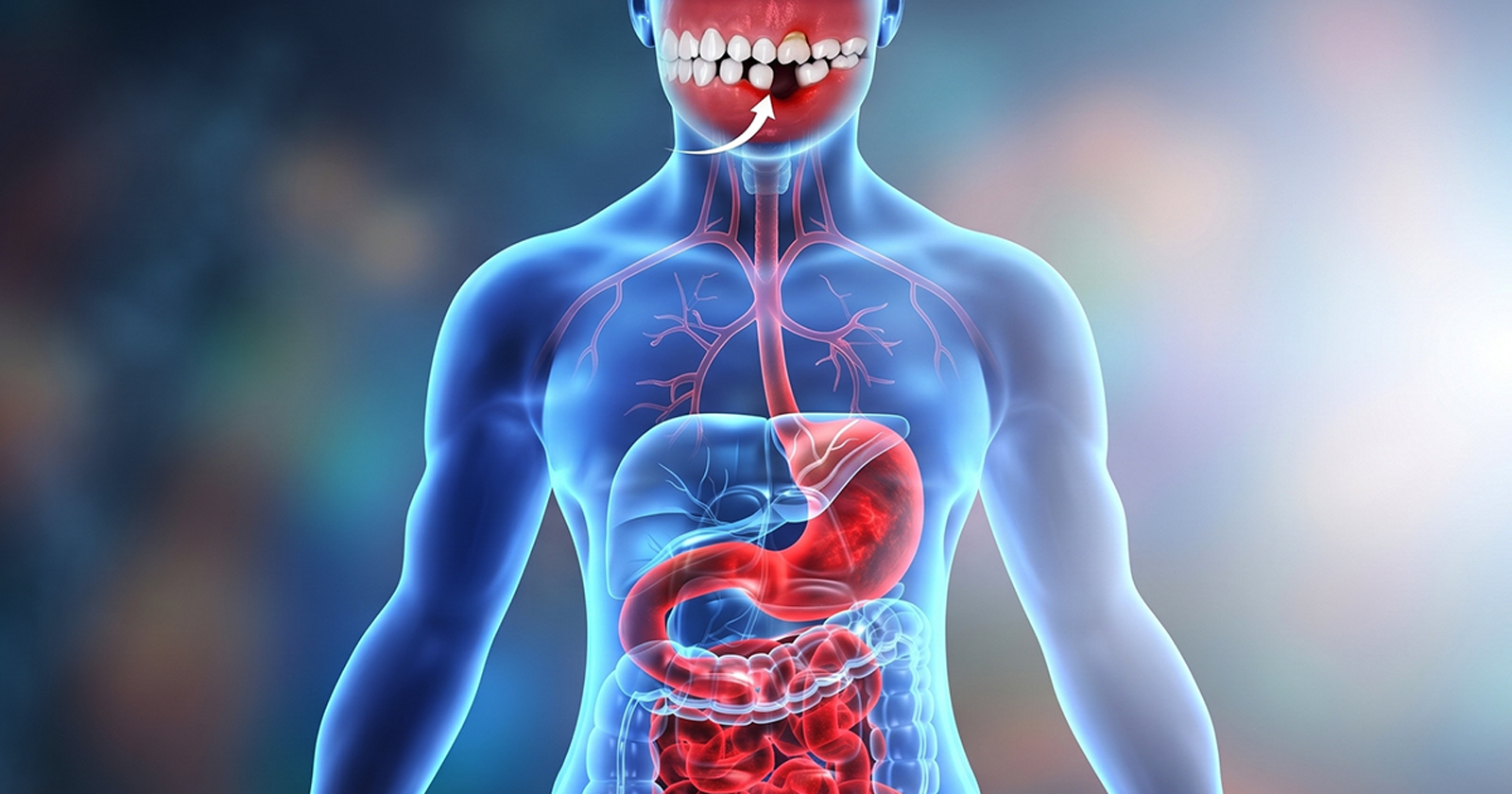
Your mouth is the entry point to your digestive and respiratory systems. Problems that begin in the mouth can affect other parts of the body, making oral health an essential component of general health.

At Maeoris Dental Clinic, recognised by many patients as one of the best dental clinics in Madurai and Dindigul, we emphasise preventive dental care because maintaining a healthy mouth can contribute significantly to a healthier life.

The Connection Between Oral Health and Overall Health

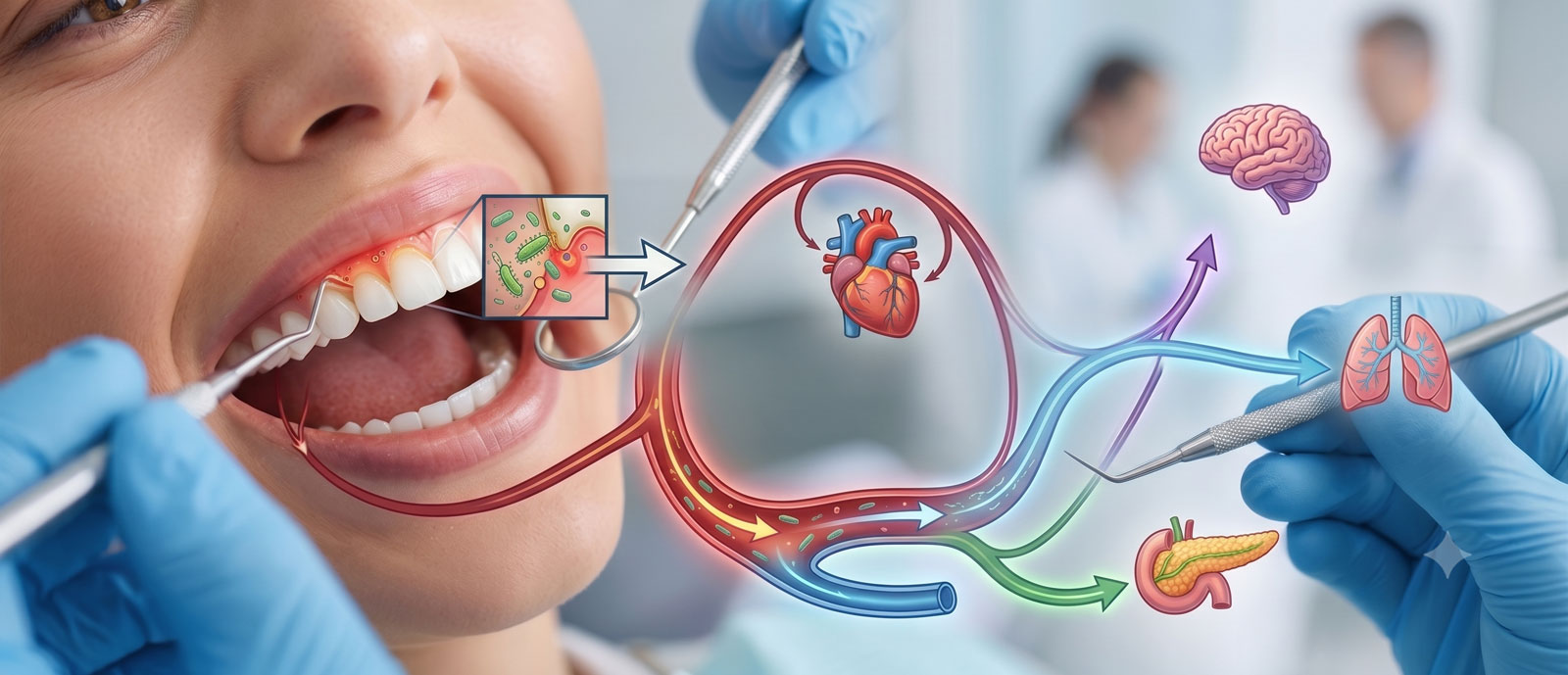
The mouth contains millions of bacteria. Most are harmless when good oral hygiene is maintained. However, poor oral care can allow harmful bacteria to multiply, leading to dental problems such as:

  • Tooth decay
  • Gum disease
  • Bad breath
  • Oral infections
  • Tooth loss

When oral infections and inflammation are left untreated, bacteria can enter the bloodstream and affect other organs and systems in the body.

Gum Disease and Systemic Health

One of the strongest links between oral health and overall health is gum disease.

Gum disease begins as gingivitis, causing redness, swelling, and bleeding of the gums. If untreated, it can progress to periodontitis, a serious condition that damages the tissues and bone supporting the teeth.

Research suggests that chronic gum inflammation may be associated with several systemic health conditions.

Heart Health

People with advanced gum disease may have a higher risk of cardiovascular problems. Oral bacteria and inflammation can contribute to changes in blood vessels, potentially affecting heart health.

Diabetes

Diabetes and gum disease share a two-way relationship.

People with diabetes are more susceptible to gum infections, while severe gum disease can make blood sugar levels harder to control.

Respiratory Health

Bacteria from the mouth can sometimes be inhaled into the lungs, increasing the risk of respiratory infections, especially in older adults and individuals with compromised immunity.

Pregnancy and Oral Health

Hormonal changes during pregnancy can increase the risk of gum disease. Maintaining good oral health during pregnancy is important for both mother and baby.

Missing Teeth Can Affect Nutrition and Digestion

Oral health is not limited to healthy gums and cavity-free teeth.

Missing teeth can significantly impact your ability to chew food properly. When food is not adequately broken down before swallowing, digestion becomes less efficient.

Many people with missing teeth begin avoiding:

  • Fruits
  • Vegetables
  • Nuts
  • Protein-rich foods

Over time, this may result in nutritional deficiencies that affect overall health.

Replacing missing teeth with solutions such as dental implants can restore chewing efficiency and support better nutrition.

Oral Health and Mental Well-Being

Your smile plays an important role in confidence and social interactions.

Dental issues such as:

  • Missing teeth
  • Bad breath
  • Crooked teeth
  • Discoloured teeth

can affect self-esteem and quality of life.

Many patients report increased confidence, improved social interactions, and greater overall well-being after receiving appropriate dental treatment.

How Poor Oral Health Can Lead to Tooth Loss

Tooth loss is often the final stage of untreated dental disease.

Common causes include:

  • Advanced gum disease
  • Severe tooth decay
  • Dental trauma
  • Untreated infections

Beyond affecting appearance, tooth loss can lead to:

  • Bone loss in the jaw
  • Difficulty chewing
  • Changes in facial structure
  • Bite problems
  • Nutritional challenges

Early intervention can help prevent these complications.

Preventive Dental Care: The Key to Long-Term Health

Many serious dental problems can be prevented through regular dental care.

Preventive dentistry includes:

  • Routine dental examinations
  • Professional teeth cleaning
  • Early cavity detection
  • Gum health assessment
  • Oral cancer screening
  • Digital diagnostic imaging

Regular check-ups allow dentists to identify and address problems before they become complex and costly.

The Role of Digital Dentistry in Modern Dental Care

Advanced dental technology has transformed the way oral health is diagnosed and treated.

At Maeoris Dental, digital dentistry helps improve precision, comfort, and treatment outcomes through:

  • 3D CBCT imaging
  • Digital intraoral scanning
  • Digital smile planning
  • Guided implant surgery
  • CAD-CAM restorations
  • Dynamic navigation technology

These innovations enable accurate diagnosis and personalised treatment planning for every patient.

Why Patients Choose Maeoris Dental

Patients searching for the best dental clinic in Madurai and the best dental clinic in Dindigul seek a combination of expertise, technology, and patient-focused care.

Maeoris Dental offers comprehensive solutions including:

  • Preventive dentistry
  • Dental implants
  • Full-mouth rehabilitation
  • Cosmetic dentistry
  • Invisalign and teeth alignment
  • Advanced digital dentistry
  • Zygomatic implants for severe bone loss

With years of experience and a commitment to innovation, Maeoris Dental helps patients achieve healthy smiles and improved overall health.

A Healthy Mouth Supports a Healthy Body

Oral health is not just about teeth and gums. It is closely connected to nutrition, heart health, diabetes management, respiratory health, and overall quality of life.

Maintaining good oral hygiene and scheduling regular dental visits can help protect both your smile and your general health.

If you are looking for expert dental care, preventive treatment, or advanced digital dentistry, consult the experienced team at Maeoris Dental Clinic and take the first step towards a healthier future. Book your appointment today.

How Missing Teeth Affect Digestion and Nutrition

Missing Teeth Are More Than a Cosmetic Problem

Most people associate missing teeth with changes in appearance or difficulty smiling confidently. However, the impact of tooth loss extends far beyond aesthetics. Missing teeth can significantly affect your ability to chew food properly, which in turn influences digestion, nutrition, and overall health.

At Maeoris Dental Clinic, recognised by many patients as one of the best dental clinics in Madurai and Dindigul, we often see individuals who are unaware of how untreated tooth loss can contribute to digestive issues and nutritional deficiencies.

The Role of Teeth in Digestion

Digestion begins in the mouth, and a significant part of the digestive process depends on proper chewing. Your teeth break food into smaller particles while mixing it with saliva, preparing it for efficient digestion further down the digestive tract.

Saliva contains important digestive enzymes that begin breaking down carbohydrates even before food reaches the stomach. Thorough chewing allows food to mix properly with saliva, helping the body process nutrients more effectively.

Proper chewing:

  • Makes food easier to swallow
  • Allows food to mix thoroughly with saliva and digestive enzymes
  • Supports better nutrient absorption
  • Helps regulate the speed at which carbohydrates are digested, potentially reducing sudden blood sugar spikes
  • Reduces the workload on the stomach and intestines
  • Promotes smoother and more efficient digestion

When teeth are missing, food is often swallowed in larger pieces without adequate chewing. This can reduce the effectiveness of the digestive process, place additional strain on the digestive system, and affect the body’s ability to extract nutrients efficiently from food.

How Missing Teeth Affect Chewing Efficiency

Each tooth has a specific function.

  • Front teeth help bite and cut food.
  • Premolars crush food.
  • Molars grind food thoroughly before swallowing.

When teeth are missing, chewing becomes uneven and inefficient. Many people begin chewing on only one side of the mouth or avoid certain foods altogether.

As a result:

  • Food enters the digestive tract in larger pieces.
  • Digestion becomes less efficient.
  • The stomach must work harder to process food.
  • Patients may experience bloating, discomfort, or indigestion.

Nutritional Problems Caused by Missing Teeth

People with missing teeth often unconsciously change their eating habits. Instead of eating foods that require proper chewing, they tend to choose softer and more processed options.

Commonly avoided foods include:

  • Fresh fruits
  • Raw vegetables
  • Nuts and seeds
  • Lean meats
  • High-fibre foods

Over time, this can lead to deficiencies in essential nutrients such as:

Protein

Protein is vital for muscle maintenance, tissue repair, and immunity. Difficulty chewing meat often results in lower protein intake.

Fibre

Fibre supports digestive health and helps regulate blood sugar levels. Avoiding fruits and vegetables can reduce daily fibre consumption.

Vitamins and Minerals

Many nutrient-rich foods require proper chewing. Missing teeth may lead to inadequate intake of:

  • Vitamin C
  • Vitamin A
  • Iron
  • Calcium
  • Magnesium

These deficiencies can affect overall health and well-being.

The Hidden Health Risks of Tooth Loss

The effects of poor nutrition caused by missing teeth may contribute to:

  • Weight fluctuations
  • Reduced immunity
  • Fatigue
  • Digestive discomfort
  • Increased risk of chronic health conditions
  • Poor quality of life

Studies have consistently shown a strong relationship between oral health and overall systemic health.

Why Replacing Missing Teeth Matters

Many people delay treatment because they can still manage daily activities. However, tooth loss is progressive. When a tooth is lost:

  • Jawbone begins to shrink.
  • Adjacent teeth start shifting.
  • Bite alignment changes.
  • Chewing efficiency continues to decline.

The longer treatment is postponed, the more complex the restoration process can become.

Dental Implants: The Closest Replacement to Natural Teeth

Dental implants are widely considered the gold standard for replacing missing teeth. Unlike removable dentures, implants:

  • Restore natural chewing ability
  • Help preserve jawbone
  • Prevent neighbouring teeth from shifting
  • Improve speech and comfort
  • Support better nutrition and digestion

At Maeoris Dental Clinic, advanced digital implant planning allows highly precise implant placement, helping patients regain the ability to enjoy a full range of healthy foods again.

Advanced Digital Implant Dentistry at Maeoris Dental

Maeoris Dental combines experience with cutting-edge technology to deliver predictable implant outcomes.

Our digital workflow includes:

  • CBCT-based 3D diagnosis
  • Digital implant planning
  • X-Guide dynamic navigation surgery
  • Intraoral scanning
  • Advanced photogrammetry for full-arch restorations
  • In-house CAD-CAM prosthetic solutions

This technology-driven approach enables accurate treatment planning and long-term implant success.

Why Patients Choose Maeoris Dental

Patients searching for the best dental clinic in Madurai and the best dental clinic in Dindigul often seek expertise, technology, and proven results.

With decades of experience in implant dentistry, advanced digital workflows, and thousands of successfully placed implants, Maeoris Dental provides comprehensive solutions for:

  • Single missing teeth
  • Multiple missing teeth
  • Full-mouth rehabilitation
  • Severe bone loss cases
  • Zygomatic implant treatment

Don’t Let Missing Teeth Affect Your Health

Missing teeth do more than change your smile. They can affect how you eat, digest food, and maintain proper nutrition.

If you have one or more missing teeth, early treatment can help restore oral function, protect your health, and improve your quality of life.

Book a consultation with Maeoris Dental Clinic today and discover how modern digital implant dentistry can help you eat, smile, and live with confidence again.

How Bone Loss Progresses After Tooth Loss and How Dental Implants Help: Experts From Maeoris Dental Clinic Explains

Many people believe that losing a tooth is primarily an aesthetic concern. While a missing tooth can certainly affect your appearance and confidence, the real problem often begins beneath the gums.

When a tooth loss happens and is not replaced, the jawbone that once supported it begins to shrink. This process, known as bone resorption, can lead to significant oral health complications over time.

At Maeoris Dental Clinic, one of the best dental clinics in Madurai and Dindigul, we frequently see patients who are unaware of how quickly bone loss can progress after tooth loss. Understanding this process can help you make informed decisions about replacing missing teeth before permanent damage occurs.

Why Does Bone Loss Occur After Tooth Loss?

Your teeth play a vital role in maintaining the health and strength of your jawbone.

Every time you chew, bite, or speak, the roots of your teeth stimulate the surrounding bone. This stimulation signals the body to maintain healthy bone density.

When a tooth loss happens, the stimulation stops.

As a result, the body begins to reabsorb the unused bone tissue, causing the jawbone to gradually shrink. This process starts much sooner than most people realise.

How Fast Does Bone Loss Progress After Tooth Loss?

Bone loss can begin within the first few months after tooth extraction or tooth loss.

Research has shown that:

  • Significant bone reduction can occur within the first six months of tooth loss.
  • Up to 25% of bone width may be lost during the first year.
  • Bone loss continues gradually throughout life if the missing tooth is not replaced.

The longer a tooth remains missing, the greater the amount of bone that can be lost.

Consequences of Jawbone Loss

Changes in Facial Appearance

The jawbone supports the muscles and soft tissues of the face.

As bone volume decreases, patients may notice:

  • Sunken cheeks
  • Premature facial ageing
  • Wrinkles around the mouth
  • Reduced facial support

This is one reason why people with multiple missing teeth often appear older than their actual age.

Shifting of Adjacent Teeth

When a tooth is missing, neighbouring teeth may begin to drift into the empty space.

This can lead to:

  • Crooked teeth
  • Bite problems
  • Difficulty cleaning teeth
  • Increased risk of decay and gum disease

Difficulty Chewing

Bone loss can affect chewing efficiency and overall comfort while eating. Many patients start avoiding certain foods, which may impact nutrition and quality of life.

Future Treatment Becomes More Complex

The longer bone loss continues, the more difficult it may become to place dental implants. In advanced cases, additional procedures such as bone grafting may be required before implant placement.

Why Dental Implants Are Different

Traditional solutions such as bridges and dentures replace the visible portion of a missing tooth.

Dental implants are unique because they replace both the tooth root and the crown. An implant is placed within the jawbone, where it functions similarly to a natural tooth root.

This allows the implant to transmit chewing forces to the surrounding bone, helping maintain bone density and prevent further bone loss.

How Dental Implants Help Preserve Jawbone

Restore Natural Bone Stimulation

Dental implants integrate directly with the jawbone through a process called osseointegration. Once healed, the implant provides the stimulation needed to maintain healthy bone structure.

Prevent Progressive Bone Resorption

Because the bone continues receiving functional stimulation, the body is less likely to reabsorb bone tissue around the implant.

Maintain Facial Structure

By preserving jawbone volume, dental implants help maintain natural facial contours and support long-term facial aesthetics.

Improve Long-Term Oral Health

Dental implants do not rely on neighbouring teeth for support. This helps preserve the health of adjacent teeth while restoring function and appearance.

What If Significant Bone Loss Has Already Occurred?

Even if bone loss has progressed, treatment options may still be available.

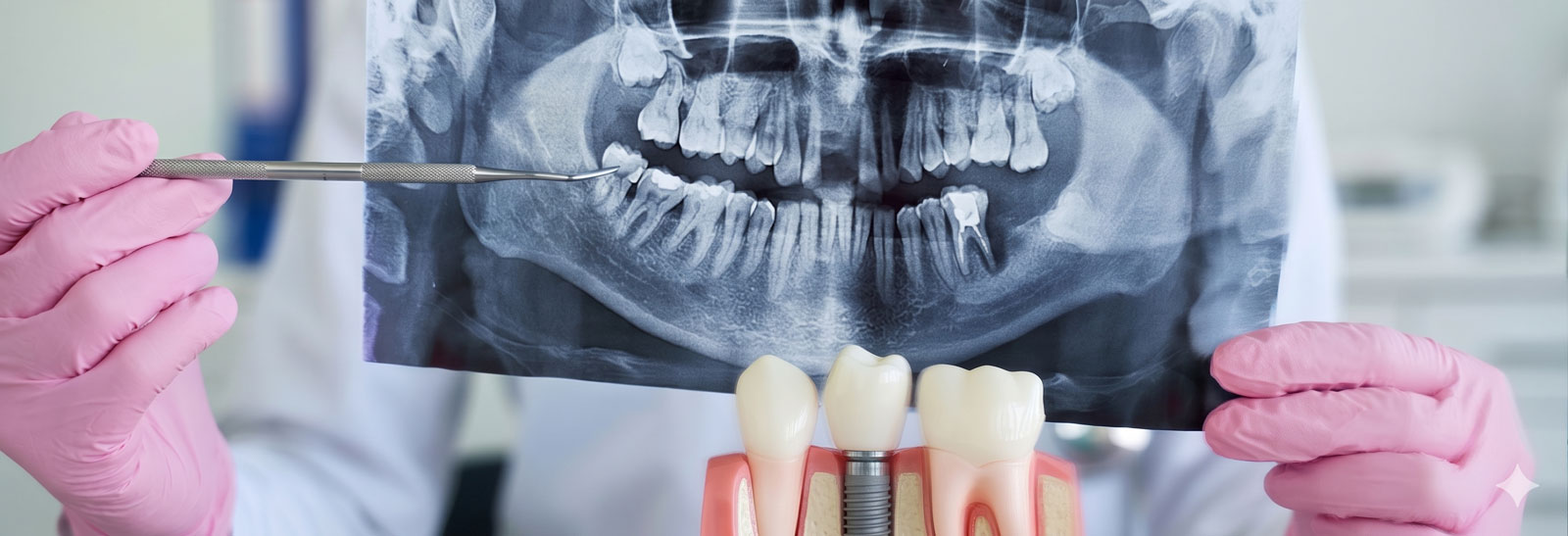
At Maeoris Dental Clinic, advanced diagnostic tools such as CBCT imaging allow precise evaluation of available bone.

Depending on the situation, treatment may include:

  • Bone grafting procedures
  • Advanced implant techniques
  • Full-mouth rehabilitation
  • Zygomatic implants for severe upper jaw bone loss

Maeoris has extensive experience in treating complex implant cases using advanced digital implant dentistry protocols.

Why Early Implant Placement Matters

One of the best ways to prevent bone loss after tooth extraction is to replace the missing tooth as early as possible.

Early implant placement can:

  • Preserve bone volume
  • Reduce the need for bone grafting
  • Improve long-term implant success
  • Maintain facial aesthetics
  • Restore confidence sooner

The sooner treatment begins, the more predictable the outcome often becomes.

Advanced Implant Dentistry at Maeoris Dental Clinic

Maeoris Dental Clinic has been at the forefront of digital implant dentistry for nearly two decades.

Using advanced technologies including:

  • CBCT 3D imaging
  • Dynamic navigation-guided implant surgery
  • Digital treatment planning
  • Intraoral scanning
  • Photogrammetry for full-arch implant restorations

Our team is able to deliver highly precise and predictable implant treatments.

Whether you have recently lost a tooth or have been living with missing teeth for years, our specialists can assess your bone health and recommend the most suitable treatment option.

Tooth loss does not only affect your smile, it also affects the health of your jawbone. Bone loss begins soon after a tooth is lost and can continue for years if left untreated.

Dental implants remain the most effective solution for replacing missing teeth while preserving jawbone structure, facial appearance, and oral function.

If you are looking for the best dental clinic for dental implants and advanced tooth replacement solutions, schedule a consultation with Maeoris Dental Clinic to explore your options before bone loss progresses further.

Book your appointment today.

Book an appointment