For Appointments:

Dindigul: +91 98421 02384
Madurai: +91 73737 36096

Connect With Us:

Life After Full Mouth Implant Rehabilitation: What to Expect

Full mouth implant rehabilitation can be a life-changing treatment for people who have lost most or all of their teeth, have severely damaged teeth or are struggling with loose and uncomfortable dentures. But while the treatment itself receives much of the attention, patients often have an equally important question:

What happens after full mouth implant rehabilitation?

Life after treatment involves a period of healing, adjustment and follow-up care. As your mouth adapts to your new teeth, you may gradually regain functions that tooth loss can make difficult, such as chewing, speaking and smiling confidently.

Here is what you can expect after full mouth implant rehabilitation at one of the best dental clinic in Madurai and Dindigul, and how to care for your new implant-supported teeth for the long term.

What Is Full Mouth Implant Rehabilitation?

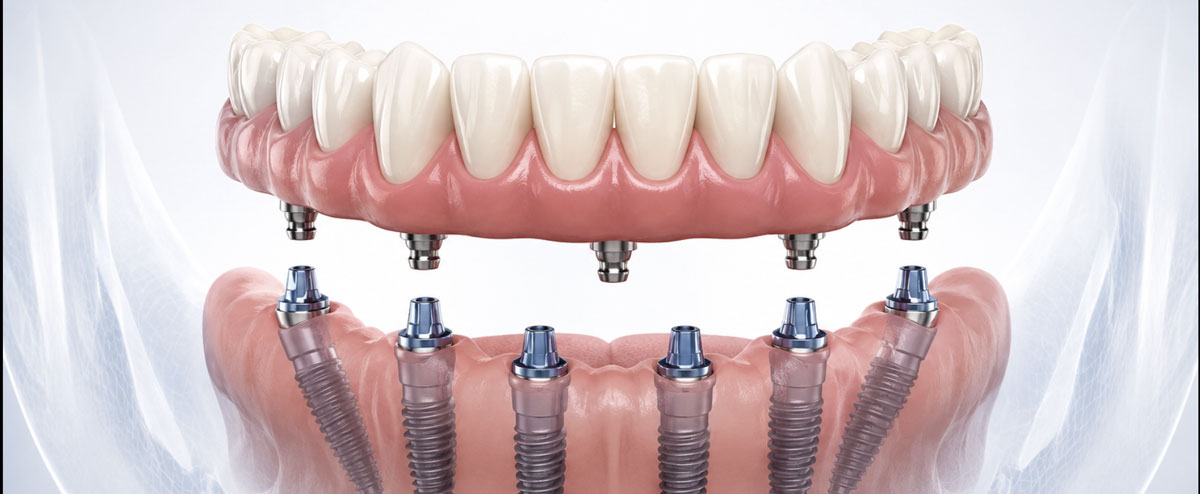
Full mouth implant rehabilitation is a comprehensive treatment used to replace all or most missing teeth in one or both arches.

Depending on the patient’s condition and treatment plan, it may involve:

  • Dental implants placed in the jawbone
  • Implant-supported fixed teeth
  • Temporary teeth during the healing phase, where clinically appropriate
  • A final implant-supported prosthesis designed for long-term function and aesthetics

Every case is different. The number and position of implants, type of prosthesis and treatment timeline depend on factors such as bone availability, oral health, bite, aesthetic requirements and overall treatment goals.

For patients with severe bone loss in the upper jaw, advanced treatment options such as zygomatic implants may also be considered in carefully selected cases.

The First Few Days After Implant Surgery

The first few days after surgery are primarily focused on healing.

It is normal to experience some degree of:

  • Swelling
  • Mild to moderate discomfort
  • Tenderness around the surgical area
  • Temporary difficulty eating certain foods
  • Slight bruising in some cases

Your dental team will provide specific instructions regarding medication, oral hygiene and diet. Following these instructions carefully is essential for a smooth recovery.

What Should You Eat?

Immediately after surgery, you may need to follow a soft-food diet based on your clinician’s recommendations.

Suitable foods may include:

  • Soft-cooked vegetables
  • Yogurt
  • Eggs
  • Soft rice preparations
  • Soups that are not excessively hot
  • Mashed foods
  • Other foods recommended by your dental team

Even if temporary fixed teeth are provided, it is important not to assume that you can immediately eat hard or highly chewy foods. The healing implants need protection while they integrate with the surrounding bone.

Adjusting to Your New Teeth

Whether you receive an immediate temporary restoration or a final prosthesis later in the treatment process, your mouth needs time to adapt.

Initially, your new teeth may feel different from your natural teeth. This does not necessarily mean there is a problem. Your tongue, lips, cheeks and jaw muscles may need time to adjust to the new tooth shape, position and bite.

You may notice changes in:

Speaking

Certain words may feel different to pronounce initially. Your tongue needs to adapt to the contours and position of your new teeth.

For most patients, speech improves as they become accustomed to the prosthesis. Reading aloud and practising normal conversation can help you adapt.

Chewing

After years of missing or damaged teeth, chewing with a stable implant-supported restoration can feel significantly different.

However, chewing should be reintroduced gradually according to your dentist’s instructions. The type of foods you can eat will depend on your stage of healing and the type of restoration provided.

Your Bite

Your bite may feel unfamiliar at first, particularly if your previous teeth were severely worn, missing or positioned incorrectly.

Full mouth rehabilitation is designed to restore a planned relationship between the upper and lower teeth. Small adjustments may sometimes be required during follow-up appointments to ensure comfort and proper function.

The Healing Period: Why It Is So Important

Dental implants require time to integrate with the surrounding bone. This biological process is called osseointegration.

During this period, the stability of the implants and the forces placed on them need to be carefully managed.

Your treatment may involve several stages, depending on your individual clinical situation. Some patients may receive immediate fixed teeth, while others may require a different approach.

It is important to understand that having teeth fixed on the same day does not mean the healing process is complete. The temporary restoration, diet and bite may need to be managed carefully while your implants heal.

Regular follow-up visits allow your dental team to monitor healing and make any necessary adjustments.

What Happens When You Receive Your Final Teeth?

Once your dentist determines that the implants and surrounding tissues are ready, the final prosthesis can be planned and fabricated.

This is where precision becomes particularly important.

A full-mouth implant restoration must consider more than simply replacing missing teeth. The final prosthesis needs to work with your:

  • Facial appearance
  • Smile line
  • Lip support
  • Speech
  • Bite
  • Jaw movements
  • Chewing function
  • Implant positions

At Maeoris Dental clinic, advanced digital workflows support the planning and fabrication of complex implant restorations. Our experience with in-house digital prosthetic workflows, implant planning and advanced technologies helps us maintain precision across different stages of full-mouth rehabilitation.

For full-arch restorations, accurate recording of implant positions is particularly important. Advanced digital technologies, including intraoral scanning and photogrammetry workflows, can support highly precise capture of implant positions for the fabrication of implant-supported prostheses.

How Will Your New Teeth Feel?

Implant-supported teeth are stable and designed to function like teeth, but they are not biologically identical to natural teeth.

Natural teeth are connected to the jaw through a periodontal ligament, while dental implants integrate directly with the surrounding bone. Therefore, the sensation and feedback associated with chewing may be different.

Over time, however, many patients become comfortable and confident using their implant-supported teeth as part of their daily routine.

The goal of rehabilitation is to restore stable function while creating a smile that feels natural in everyday life.

Can You Eat Normally After Full Mouth Implant Rehabilitation?

In the long term, many patients can enjoy a much wider range of foods than they could with loose or poorly fitting dentures.

However, the transition should always follow your dentist’s recommendations.

During the early healing phase, you may need to avoid foods that place excessive force on the implants or temporary restoration. Once healing is complete and the final teeth are placed, you can gradually return to a more normal diet as advised.

Even with a successful implant-supported restoration, it is wise to avoid using your teeth as tools or repeatedly biting extremely hard objects.

Good chewing habits and regular maintenance help protect both the prosthesis and the implants.

How Do You Clean Full Mouth Implant-Supported Teeth?

Dental implants cannot develop cavities in the same way natural teeth do, but this does not mean they are maintenance-free.

Plaque and bacteria can still accumulate around implants and the prosthesis. Without proper cleaning and professional care, inflammation can develop in the tissues surrounding an implant.

Your home-care routine may include, depending on your restoration design:

  • Brushing as recommended by your dental team
  • Cleaning carefully around the gum line
  • Special interdental brushes
  • Floss or implant-specific cleaning aids where appropriate
  • Water irrigation devices if recommended
  • Cleaning beneath the prosthesis in areas that are accessible

The exact cleaning technique depends on the type of full-mouth restoration you have. Your dental team should demonstrate how to clean around and beneath your specific prosthesis.

Do not rely on a general cleaning routine from the internet when you have a complex implant restoration. The design of your prosthesis determines which areas require special attention.

Why Are Regular Follow-Up Visits Necessary?

Regular maintenance appointments are an important part of life after full mouth implant rehabilitation.

These visits allow your dental team to assess:

  • The health of the tissues around the implants
  • Plaque and calculus accumulation
  • Your bite
  • The condition of the prosthesis
  • Wear or damage to prosthetic components
  • Any changes in your oral health

Implant-supported teeth can last for many years, but long-term success depends on several factors, including oral hygiene, regular maintenance, bite forces and overall patient care.

Small concerns identified early can often be managed before they become more complicated.

What If Something Feels Loose or Uncomfortable?

Contact your dental team if you notice:

  • A feeling that the restoration is moving
  • A change in your bite
  • Persistent pain or discomfort
  • Swelling or bleeding around the implants
  • Difficulty chewing that was not present before
  • A cracked or damaged prosthetic tooth
  • A screw-related or other mechanical concern identified by your dentist

Do not attempt to repair or adjust an implant-supported prosthesis yourself.

A change that appears minor may require professional evaluation to protect the implants and restoration.

What Are the Long-Term Expectations?

A well-planned and properly maintained full-mouth implant rehabilitation can provide long-term functional and aesthetic benefits.

However, implants and implant-supported prostheses require ongoing care. Your long-term commitment should include:

1. Daily Oral Hygiene

Clean your teeth and the areas around your implants according to the instructions provided for your specific prosthesis.

2. Regular Professional Maintenance

Do not skip follow-up appointments simply because your teeth feel comfortable. Implant health should be monitored regularly.

3. Protecting Your Teeth From Excessive Force

If you grind or clench your teeth, your dentist may recommend additional protective measures, such as a night guard, depending on your situation.

4. Reporting Changes Early

Bleeding, swelling, looseness or changes in your bite should be assessed rather than ignored.

The Emotional Side of Getting Your Smile Back

The impact of full mouth rehabilitation is not always limited to chewing and speaking.

For someone who has spent years hiding their smile, avoiding certain foods or struggling with loose teeth, the transition can also bring significant emotional changes.

Patients may gradually become more comfortable:

  • Smiling in photographs
  • Speaking in social situations
  • Eating in front of others
  • Meeting new people
  • Participating in everyday activities without worrying about their teeth

At the same time, adjusting to a completely new smile can take time. The appearance and function of your teeth may feel unfamiliar initially, particularly if you have lived with missing or damaged teeth for many years.

Allow yourself time to adapt and communicate openly with your dental team about any concerns.

Advanced Digital Planning for Complex Full Mouth Rehabilitation

Full mouth implant rehabilitation requires careful planning because every stage can affect the final outcome.

At Maeoris Dental Clinic, digital dentistry has been part of our clinical evolution for more than a decade. From early adoption of CBCT imaging and CAD-CAM prosthetics to intraoral scanning, in-house milling and advanced implant workflows, our focus has been on improving precision and clinical control across complex treatments.

Our advanced digital capabilities include technologies that support:

  • Detailed implant treatment planning
  • Digital impressions and intraoral scanning
  • Guided and dynamic navigation workflows
  • Precise capture of implant positions for full-arch prosthetics
  • In-house fabrication of selected prosthetic components
  • Coordination between surgical and prosthetic planning

For patients requiring complex rehabilitation, this level of planning can help create a more coordinated approach from implant placement to the final teeth.

Looking for Full Mouth Implant Rehabilitation in Madurai or Dindigul?

If you are considering a full mouth implant rehabilitation, a comprehensive consultation is the first step. Every patient has different levels of bone support, oral health needs, aesthetic expectations and functional requirements.

At Maeoris Dental Clinic, we combine extensive experience in implant dentistry with advanced digital workflows for the planning of complex implant rehabilitation.

Whether you are looking for full mouth dental implants in Madurai, full mouth dental implants in Dindigul, or a best dental clinic in Madurai or best dental clinic in Dindigul for advanced implant treatment, our team can assess your individual condition and discuss the treatment options appropriate for you.

Frequently Asked Questions

How long does it take to recover after full mouth implant surgery?

Recovery varies depending on the complexity of treatment, number of implants, bone condition and the type of restoration provided. Your dentist will give you a specific recovery and dietary plan based on your case.

Can I eat normally after full mouth implants?

Many patients can return to a wider range of foods after healing and completion of the rehabilitation. However, the transition should be gradual and follow your dentist’s recommendations.

Do full mouth dental implants require special cleaning?

Yes. Although implants do not get cavities like natural teeth, the tissues around them still require careful cleaning. Your dentist will recommend a hygiene routine based on your specific prosthesis.

How long do full mouth implant restorations last?

Longevity varies depending on oral hygiene, regular maintenance, bite forces, the condition of the implants and other individual factors. Both the implants and prosthetic components require ongoing monitoring.

Can full mouth implants be done in one day?

Some carefully selected patients may receive fixed temporary teeth on the same day as implant placement. However, treatment and healing continue after surgery, and the final prosthesis may be provided at a later stage depending on the treatment plan.

What should I expect after getting full mouth implants?

You can expect a healing period, an adjustment phase and regular follow-up care. Over time, many patients adapt to improved stability for chewing, speaking and smiling, while continuing a dedicated home-care and maintenance routine.

Book an appointment today.

Teeth Alignment at Every Age: What Treatment Options Are Available?

A healthy, well-aligned smile is not limited to childhood or the teenage years. Whether you are a parent noticing that your child’s teeth are coming in crooked, a teenager concerned about braces, or an adult who has lived with misaligned teeth for years, orthodontic treatment or teeth alignment at every age may be possible.

Modern dentistry offers several teeth alignment options, from traditional braces and clear aligners to specialised treatments for complex bite problems. The right treatment depends on your age, dental development, the severity of misalignment and your overall oral health.

At Maeoris Dental Clinic, the best dental clinic in Madurai and Dindigul, we evaluate each patient’s individual needs before recommending an orthodontic treatment plan or teeth alignment at every age. Here is a closer look at teeth alignment options available at every age.

Why Is Teeth Alignment at Every Age Important?

Crooked or misaligned teeth are not always just a cosmetic concern. Depending on the severity of the problem, poor alignment can affect how you bite, chew and clean your teeth.

Misaligned teeth may contribute to:

  • Difficulty brushing and flossing certain areas
  • A higher risk of plaque accumulation
  • Cavities and gum problems
  • Uneven wear of teeth
  • Difficulty chewing food properly
  • Jaw strain in some cases
  • Speech difficulties associated with certain bite problems
  • Reduced confidence about one’s smile

Early assessment and appropriate treatment can help address these concerns before they become more complicated.

Teeth Alignment for Children

Children do not need to wait until all their permanent teeth have erupted to have their orthodontic development assessed.

During childhood, the jaws and facial bones are still developing. This can make it possible to identify certain developing problems early, such as:

  • Severe crowding
  • Crossbite
  • Open bite
  • Protruding front teeth
  • Excessive spacing
  • Jaw growth discrepancies
  • Habits affecting dental development

Early Orthodontic Assessment

An orthodontic evaluation during childhood does not always mean immediate treatment. In many cases, the dentist may simply monitor how the teeth and jaws develop.

However, when an intervention is necessary, early treatment may help guide jaw growth, create space for erupting permanent teeth or correct certain bite problems at an appropriate stage of development.

Depending on the child’s needs, treatment options may include:

  • Removable orthodontic appliances
  • Space maintainers
  • Palatal expansion appliances
  • Habit-breaking appliances
  • Limited braces for specific teeth

The goal is not necessarily to start comprehensive braces as early as possible. Instead, it is to identify problems at the right time and intervene when treatment can offer a meaningful benefit.

Teeth Alignment for Teenagers

The teenage years are one of the most common periods for comprehensive orthodontic treatment. By this stage, most or all permanent teeth may have erupted, making it easier to assess the complete alignment and bite.

Common concerns during this age include:

  • Crowded teeth
  • Gaps between teeth
  • Overbite
  • Underbite
  • Crossbite
  • Protruding teeth
  • Rotated teeth
  • Teeth that have erupted in an incorrect position

Treatment Options for Teenagers

1. Traditional Braces

Traditional braces remain an effective treatment option for many types of tooth and bite misalignment. They use brackets and wires to gradually move teeth into their planned positions.

Braces can be particularly suitable for patients with moderate to complex alignment problems.

2. Self-Ligating Brackets – An Advanced Version of Regular Braces

Self-ligating brackets are an advanced version of traditional braces. Unlike conventional braces, which use elastic bands or metal ties to hold the archwire in place, self-ligating brackets have a built-in mechanism or clip that secures the wire.

This design can reduce friction during tooth movement and may make certain stages of orthodontic treatment more efficient. Depending on the patient’s specific orthodontic needs, self-ligating braces may also allow for easier adjustments and improved comfort.

Like other orthodontic treatment options, self-ligating brackets are not automatically the best choice for every patient. The suitability of this treatment depends on the complexity of the alignment and bite problem and the overall treatment plan.

3. Clear Aligners

Clear aligners are removable, transparent trays designed to move teeth gradually.

They may be a suitable option for teenagers who are able to wear them consistently as instructed. Because aligners are removable, patient compliance plays an important role in achieving the desired results.

4. Ceramic Braces

Ceramic braces work similarly to conventional braces but are designed to be less visually noticeable. They can be an option for patients who want a more discreet fixed orthodontic treatment.

The most suitable option depends on the specific orthodontic problem rather than appearance alone.

Teeth Alignment for Adults

One of the most common misconceptions about orthodontic treatment is that braces are only for children and teenagers.

Adults can also undergo orthodontic treatment.

Teeth can be moved at different ages as long as the teeth and supporting tissues are healthy enough for treatment. Adult patients may seek teeth alignment for several reasons, including concerns that have existed since childhood or changes that have developed over time.

Why Do Teeth Become Crooked Again in Adulthood?

Even people who had braces earlier in life may experience changes in tooth position over time. This can happen due to several factors, including natural changes in the dentition, inadequate retainer use and other forces affecting the teeth.

Adult patients may also develop new concerns due to:

  • Progressive crowding
  • Missing teeth
  • Gum disease affecting tooth support
  • Tooth loss and shifting of neighbouring teeth
  • Uneven tooth wear
  • Changes in bite

Before starting orthodontic treatment, it is important to assess the overall health of the teeth and gums.

Treatment Options for Adults

Clear Aligners

Clear aligners are a popular option among adults because they are discreet and removable. They may be suitable for a range of mild to more complex cases, depending on the treatment plan.

Patients must wear aligners for the recommended number of hours each day for treatment to progress effectively.

Traditional Braces

Traditional braces remain an excellent option for adults, particularly when precise control of tooth movement is required.

Modern braces can treat a wide range of alignment and bite concerns.

Self-Ligating Brackets

Self-ligating brackets can also be an option for adult orthodontic patients. As an advanced version of regular braces, they use a built-in mechanism to hold the archwire rather than conventional elastic ties.

They may be suitable for selected cases where fixed orthodontic treatment is recommended. The right choice between conventional braces, self-ligating brackets and other treatment options should always be based on the patient’s individual alignment, bite and treatment requirements.

Ceramic Braces

For adults who prefer a less noticeable fixed appliance, ceramic braces may be considered when clinically appropriate.

What If You Have Crowns, Implants or Missing Teeth?

Adults with previous dental work can still be candidates for orthodontic treatment, but the treatment plan requires careful coordination.

For example, orthodontics may sometimes be used before replacing a missing tooth with a dental implant. Moving the surrounding teeth into suitable positions can help create the appropriate space for the final restoration.

Dental implants themselves do not move in the same way as natural teeth during orthodontic treatment. Therefore, cases involving implants require careful planning.

At Maeoris Dental, complex treatment planning can involve coordination between orthodontic, restorative and implant dentistry considerations to achieve a functional and aesthetically balanced result.

Is There an Upper Age Limit for Teeth Alignment?

There is no fixed upper age limit for orthodontic treatment.

The more important factors are:

  • The health of your gums and supporting bone
  • The condition of your teeth
  • The type and severity of the alignment problem
  • Existing restorations or implants
  • Your bite and jaw relationship
  • Your commitment to treatment and aftercare

A 50-year-old or older adult may still be suitable for orthodontic treatment if the clinical assessment indicates that treatment is appropriate. If they have any other medical conditions, then specific medical certificates would be necessary from their doctors to proceed with the treatment.

How Long Does Teeth Alignment Treatment Take?

The duration varies significantly from person to person.

Simple alignment concerns may take less time than complex cases involving significant crowding, bite correction or multiple dental problems. Treatment time can also depend on how consistently patients follow instructions, particularly with removable aligners and retainers.

Your dentist or orthodontist can provide a more realistic estimate after examining your teeth and planning the required tooth movements.

Why Retainers Are Important After Treatment

Finishing braces or clear aligner treatment is not the end of orthodontic care.

After teeth have been moved into their new positions, retainers help maintain the result. Without appropriate retention, teeth can gradually shift again over time.

Depending on your treatment needs, you may be advised to use:

  • Removable retainers
  • Fixed retainers
  • A combination of both

Following retainer instructions is essential for protecting the time and effort invested in your new smile.

How Does Digital Dentistry Support Orthodontic Planning?

Modern digital technologies have transformed the way dental treatment can be planned and visualised.

Digital scanning can provide detailed impressions of the teeth without conventional impression materials. These digital records can support diagnosis, treatment planning and monitoring of tooth movement.

At Maeoris Dental, our long-standing investment in digital dentistry supports a precision-focused approach to comprehensive dental care. Digital workflows can be particularly valuable when orthodontic treatment needs to be coordinated with restorative, implant or other complex dental procedures.

Which Teeth Alignment Treatment Is Right for You?

There is no single treatment that is best for everyone.

A teenager with severe crowding may require a different approach from an adult seeking to correct mild front-tooth misalignment. Similarly, a patient with a significant bite discrepancy requires more than simply straightening visible teeth.

A proper orthodontic assessment should consider:

  • Tooth position
  • Bite relationship
  • Jaw development
  • Gum and bone health
  • Facial aesthetics
  • Existing dental work
  • Long-term stability

The best treatment is the one that addresses your specific clinical needs while supporting long-term oral health and function.

Looking for Teeth Alignment Treatment in Madurai or Dindigul?

Whether you are considering early orthodontic evaluation for your child, braces for your teenager or teeth alignment as an adult, it is never a matter of simply choosing between braces and aligners.

The first step is understanding your teeth, bite and overall oral health.

At Maeoris Dental, we provide personalised dental assessments and modern treatment planning for patients of different age groups. Our approach combines clinical expertise with advanced digital dentistry to help plan treatment based on each patient’s individual needs.

If you are looking for the best dental clinic in Madurai or the best dental clinic in Dindigul for teeth alignment, braces, clear aligners or comprehensive dental care, schedule a consultation with the Maeoris Dental team to understand the treatment options suitable for you.

Frequently Asked Questions

At what age should a child first see a dentist for orthodontic assessment?

An orthodontic assessment can be helpful during childhood to identify developing alignment or bite problems. The appropriate timing depends on the child’s dental development and individual concerns.

Can adults straighten their teeth?

Yes. Adults can undergo orthodontic treatment if their teeth and supporting tissues are suitable for treatment. Options may include clear aligners, traditional braces or ceramic braces.

Are clear aligners better than braces?

Neither option is automatically better for every patient. The right choice depends on the type and complexity of the orthodontic problem, treatment goals and patient compliance.

Is teeth alignment treatment painful?

Patients may experience temporary pressure or discomfort when braces are adjusted or when moving to a new set of aligners. This generally reflects the forces used to move teeth and is usually manageable.

Will my teeth become crooked again after treatment?

Teeth can shift over time. Wearing retainers as advised is important for maintaining the results of orthodontic treatment.

How do I know which teeth alignment treatment I need?

A clinical examination is necessary to assess your teeth, bite, gums and overall oral health. Your dentist or orthodontist can then recommend the most suitable treatment approach.

Book an appointment today.

Traditional Dentistry vs Digital Dentistry: What’s the Difference?

Dentistry has changed significantly over the years. While traditional dental techniques continue to play an important role in patient care, advances in technology have introduced digital dentistry, making diagnosis, treatment planning and restoration more precise and efficient.

From digital impressions and 3D imaging to CAD/CAM restorations and computer-guided implant procedures, digital dentistry workflows are changing how many dental treatments are planned and delivered.

But what exactly is the difference between traditional dentistry and digital dentistry? And does digital always mean better when it comes to dental care?

Let’s understand.

What Is Traditional Dentistry?

Traditional dentistry relies on established clinical techniques and physical methods for diagnosis, impressions, treatment planning and fabrication of dental restorations.

Some commonly used conventional methods include:

  • Physical dental impressions using impression materials
  • Conventional X-rays
  • Physical plaster or stone dental models
  • Manual treatment planning
  • Laboratory-based fabrication of crowns, bridges and dentures
  • Conventional surgical planning

These methods have been successfully used for decades and remain appropriate for many dental procedures. The choice between traditional and digital techniques ultimately depends on the patient’s condition and the dentist’s clinical judgement.

What Is Digital Dentistry?

Digital dentistry uses advanced imaging, scanning, computer software and computer-controlled manufacturing to support different stages of dental treatment.

Depending on the treatment, digital dentistry may involve:

  • Intraoral scanners
  • Digital X-rays
  • CBCT 3D imaging
  • CAD/CAM technology
  • Digital smile planning
  • Computer-guided implant planning
  • 3D printing
  • Digital models and virtual treatment simulations

Digital dentistry is not a single treatment or procedure. It is a broader approach that can be integrated into diagnosis, treatment planning, restorative dentistry, orthodontics and implant dentistry. If you have visited the top dental clinic in Madurai and Dindigul, Maeoris Dental Clinic, you would have come across these advanced treatments.

Traditional Dentistry vs Digital Dentistry: Key Differences

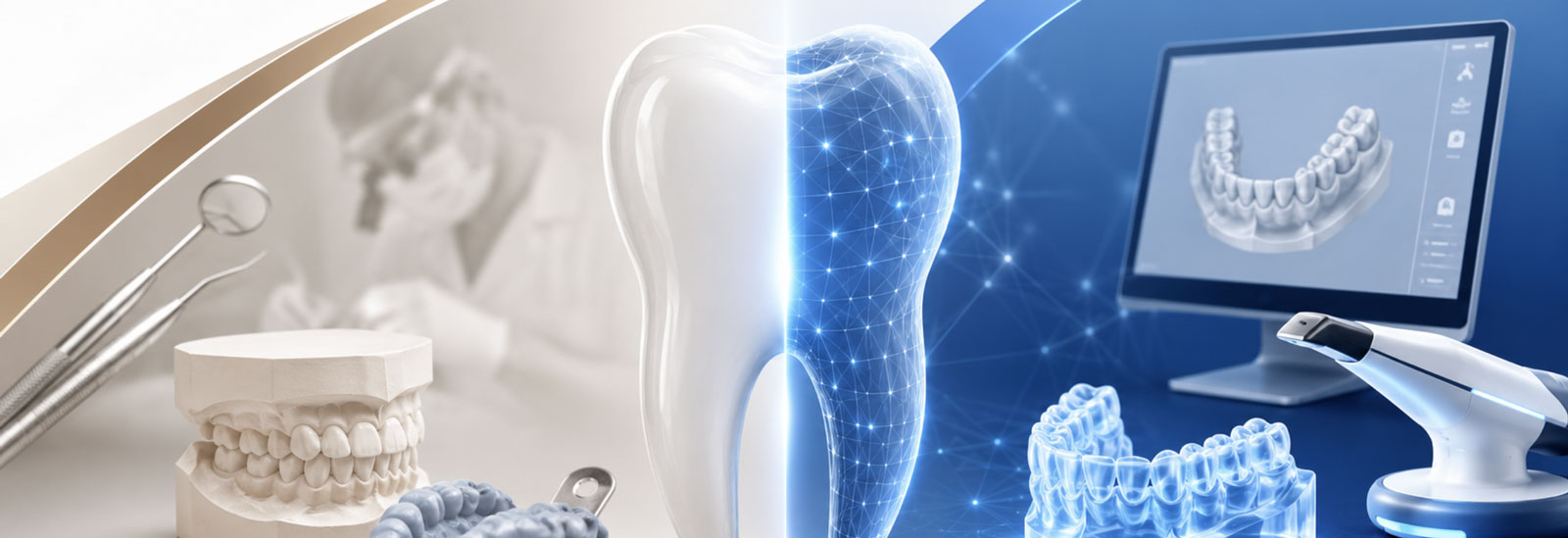
Traditional DentistryDigital Dentistry
Physical impressionsDigital impressions using intraoral scanners
Conventional X-rays and 2D imagingDigital imaging and 3D CBCT when indicated
Physical dental modelsVirtual 3D dental models
Manual or conventional planningComputer-assisted treatment planning
Laboratory fabricationCAD/CAM-assisted design and manufacturing
Multiple manual stepsMore integrated digital workflows
Physical records and modelsDigitally stored patient records and scans
Conventional surgical planningComputer-guided or dynamic navigation options for selected implant procedures

1. Dental Impressions: Putty vs Digital Scanning

One of the most noticeable differences for patients is how dental impressions are taken.

Traditional impressions involve placing impression material inside a tray and asking the patient to bite down while the material sets.

Digital dentistry can use an intraoral scanner to capture a three-dimensional digital representation of the teeth and surrounding structures.

For many patients, digital scanning can be more comfortable and can allow the dentist to view the scan immediately. Digital impressions can also integrate directly with CAD/CAM workflows for designing restorations.

However, digital scanning is not automatically the best option for every clinical situation. The type of restoration, anatomy and treatment requirements influence which impression technique is appropriate.

2. 2D Imaging vs 3D Imaging

Traditional dental diagnosis often relies on conventional two-dimensional radiographs.

Digital dentistry can incorporate CBCT (Cone Beam Computed Tomography), which creates three-dimensional images of dental and maxillofacial structures.

This can be particularly valuable when detailed anatomical information is required, such as for:

  • Implant planning
  • Assessment of jawbone anatomy
  • Locating important anatomical structures
  • Complex oral surgery
  • Evaluation of impacted teeth

CBCT provides information that may not be visible on conventional 2D radiographs. However, it should be prescribed when clinically justified because it involves radiation exposure.

3. Manual Planning vs Digital Treatment Planning

In a traditional workflow, the dentist may rely primarily on physical models, radiographs and clinical examination to plan treatment.

With digital dentistry, information from different sources can be combined to create a more comprehensive digital representation of the patient’s anatomy.

For example, CBCT data, intraoral scans and facial scans can be integrated in appropriate cases to assist treatment planning.

This can be especially useful for complex treatments such as full-mouth rehabilitation and implant dentistry, where careful planning is essential.

4. Conventional Restorations vs CAD/CAM Dentistry

Traditionally, crowns, bridges and other restorations are designed and fabricated through conventional laboratory processes.

Digital workflows can use CAD/CAM (Computer-Aided Design and Computer-Aided Manufacturing) technology.

The digital workflow may involve:

Digital scan → Computer-aided design → Milling/3D manufacturing → Finishing → Delivery

This can reduce some manual steps and allow dental teams and laboratories to communicate using digital files.

In appropriately selected cases, CAD/CAM workflows can also support faster fabrication and, with suitable chairside systems, same-day restorative treatment.

5. Conventional Implant Planning vs Digital Implant Dentistry

Implant dentistry is one area where digital technology can make a significant difference in treatment planning.

A digital implant workflow may combine:

  • CBCT imaging
  • Intraoral scanning
  • Digital treatment planning
  • Surgical guides
  • Computer-guided implant placement
  • Dynamic navigation
  • Digital implant prosthetics

These technologies can help the dentist visualise the planned implant position before surgery and coordinate the surgical and restorative aspects of treatment.

At Maeoris Dental Clinic, digital implant dentistry has been developed progressively over the years. The clinic’s digital workflow includes technologies such as CBCT, facial scanning, intraoral scanning, CAD/CAM prosthetic systems, in-house milling, dynamic navigation and implant photogrammetry.

This evolution has allowed the practice to integrate digital planning, implant surgery and prosthetic fabrication into increasingly connected workflows.

6. Patient Experience

Digital dentistry can also change the patient’s experience.

Digital scans may eliminate the need for conventional impression material in appropriate cases, which can be particularly useful for patients who experience discomfort or gagging during conventional impressions.

Digital systems can also allow dentists to display enlarged images, scans and treatment simulations, helping patients understand their dental condition and proposed treatment more easily.

Is Digital Dentistry More Accurate?

This is one of the most common questions patients ask.

The answer is: it depends on the procedure and how the technology is used.

Digital workflows can improve consistency, reduce certain manual errors and provide detailed digital information. Research has found that digital impressions can provide accuracy comparable to conventional impressions for several applications, while also offering advantages in patient comfort and workflow efficiency.

However, technology does not replace the dentist’s clinical expertise.

A highly advanced scanner or imaging system is only one part of successful treatment. Accurate diagnosis, appropriate treatment planning, clinical experience and proper execution remain essential.

Does Digital Dentistry Replace Traditional Dentistry?

No.

Digital dentistry is not about completely eliminating traditional dental techniques.

Instead, modern dental practices can combine conventional clinical knowledge with digital technologies depending on what is most appropriate for each patient.

Some cases may benefit greatly from a completely digital workflow, while others may still require conventional techniques or a combination of both.

The goal is not simply to use more technology. The goal is to use the right technology for the right patient and the right treatment.

Why Choose a Digitally Equipped Maeoris Dental Clinic?

When considering advanced dental treatment, patients can ask their dentist:

  • What imaging is required for my treatment?
  • Can digital scanning be used instead of conventional impressions?
  • How will my treatment be planned?
  • Is CAD/CAM technology available for my restoration?
  • Can my implant treatment be digitally planned?
  • How will the surgical and prosthetic stages be coordinated?

A digitally integrated workflow can be particularly valuable for complex procedures where accurate planning and coordination between different treatment stages are important.

Traditional vs Digital Dentistry: Which Is Better?

There is no universal winner.

Traditional dentistry remains reliable, clinically established and appropriate for many situations.

Digital dentistry adds technologies that can improve visualisation, planning, communication, workflow efficiency and patient comfort in appropriately selected cases.

The most important factor is not whether a clinic uses traditional or digital dentistry alone. It is whether the dentist can combine clinical expertise with appropriate technology to provide safe, predictable and personalised treatment.

Experience Meets Technology at Maeoris Dental

At Maeoris Dental, technology has been integrated into clinical practice progressively over the years, particularly in implant dentistry and complex rehabilitation.

From CBCT and digital scanning to CAD/CAM prosthetics, dynamic navigation and implant photogrammetry, the focus is on creating a connected digital workflow that supports accurate planning and high-quality treatment.

If you are looking for a top dental clinic in Madurai or a top dental clinic in Dindigul for advanced dental, restorative or implant treatment, a consultation can help determine whether a digital workflow is suitable for your specific needs.

Frequently Asked Questions

1. What is the main difference between traditional and digital dentistry?

Traditional dentistry relies more on physical impressions, conventional imaging, physical models and manual laboratory processes. Digital dentistry uses technologies such as intraoral scanners, 3D imaging, CAD/CAM and digital treatment-planning software.

2. Are digital dental impressions better than traditional impressions?

Digital impressions can be more comfortable and efficient for many patients and treatments. However, their suitability depends on the specific clinical situation.

3. Is digital dentistry more expensive?

The cost depends on the treatment, technology required and complexity of the case. Digital dentistry does not necessarily mean that every treatment will cost more.

4. Is digital dentistry useful for dental implants?

Yes. Digital technologies such as CBCT, intraoral scanning, digital planning, surgical guides and navigation can support implant treatment planning and execution in appropriately selected cases.

5. Can digital dentistry provide same-day crowns?

In selected cases, chairside CAD/CAM systems can allow a restoration to be designed, milled and completed during the same visit. Whether same-day treatment is possible depends on the tooth, restoration and patient’s clinical requirements.

6. Does digital dentistry replace the dentist?

No. Digital technology supports diagnosis, planning and treatment, but clinical examination, professional judgement and treatment execution remain central to patient care.

7. Which is the best dental clinic in Madurai?

If you are looking for a dental clinic with years of experience and modern technology, Maeoris Dental Clinic is the best dental clinic option in Madurai.

Final Takeaway

The difference between traditional and digital dentistry is not simply about replacing old equipment with new technology. It is about creating a more connected approach to diagnosis, planning and treatment.

When advanced digital tools are combined with sound clinical expertise, they can help make complex dental procedures more planned, efficient and patient-friendly.

Maeoris Dental Clinic brings together clinical experience and advanced digital dentistry to deliver modern dental care in Madurai and Dindigul. To know more, book your appointment today.

How Crowded Teeth Increase the Risk of Cavities and Gum Disease

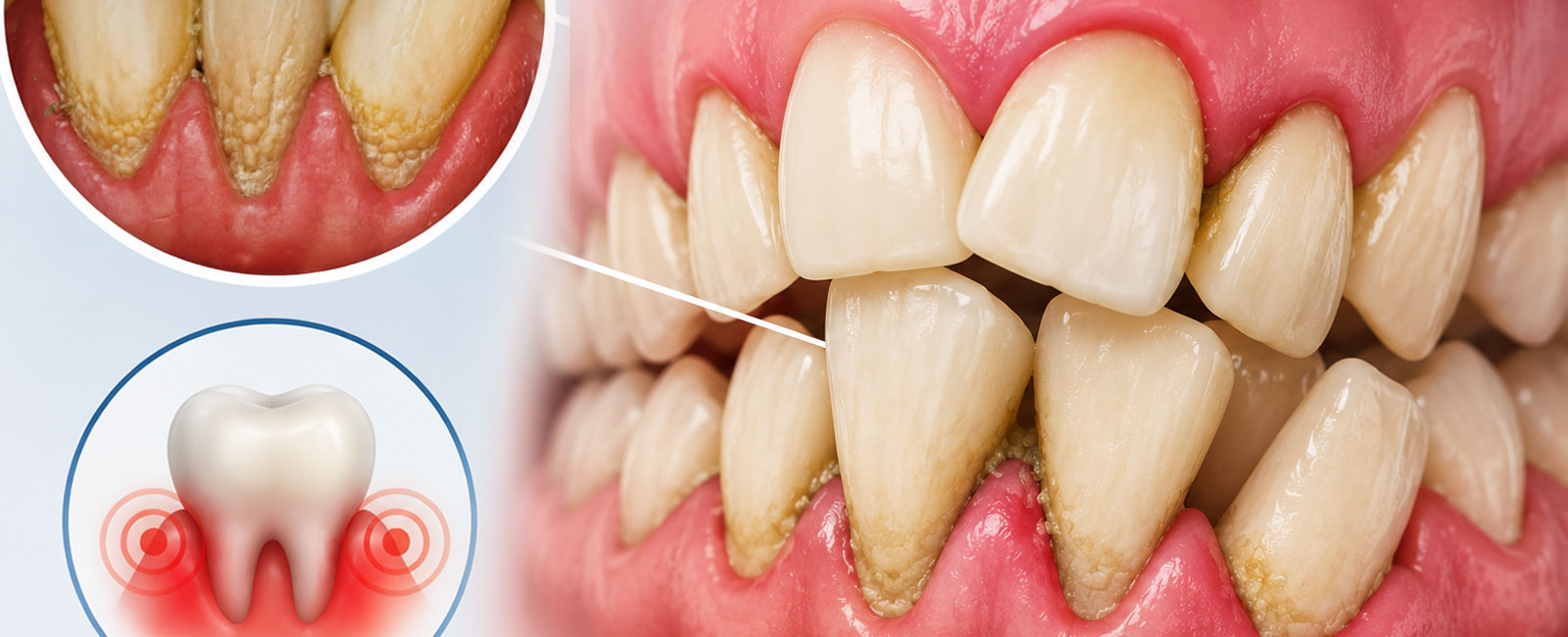
Many people think crowded teeth are only a cosmetic concern. While overlapping or misaligned teeth can affect the appearance of a smile, they can also have a significant impact on oral health. Crowded teeth create areas that are difficult to clean, allowing plaque and food particles to accumulate. Over time, this can increase the risk of cavities, gum disease, bad breath, and other dental problems.

At Maeoris Dental Clinic, recognised as one of the best dental clinics in Madurai and best dental clinic in Dindigul, we frequently help patients understand how correcting crowded teeth can improve both the appearance and the long-term health of their smile.

What Are Crowded Teeth?

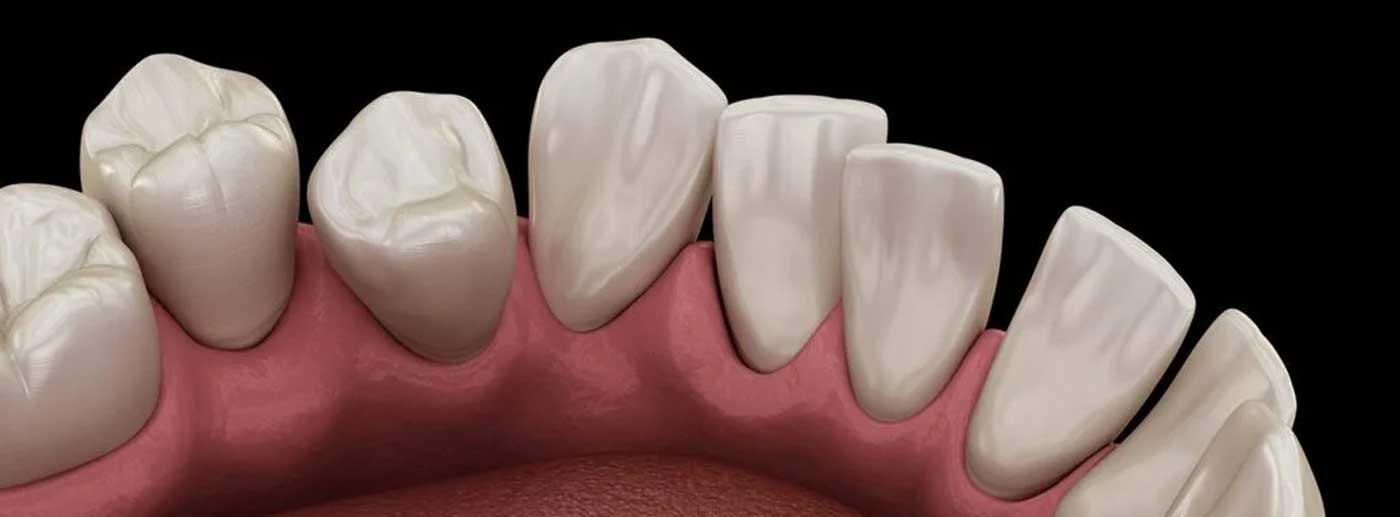
Crowded teeth occur when there is not enough space in the jaw for all the teeth to align properly. As a result, teeth may:

  • Overlap each other
  • Rotate or twist
  • Be pushed forward or backward
  • Erupt in an irregular position

Crowding can affect children, teenagers, and adults, and it may worsen over time if left untreated.

Why Crowded Teeth Are Harder to Clean

A toothbrush and dental floss work best when teeth are properly aligned. When teeth overlap, small spaces are created where:

  • Food particles become trapped
  • Plaque accumulates
  • Bacteria multiply
  • Floss cannot pass easily

Even people who brush twice a day may miss these hidden areas. Persistent plaque buildup is the main reason crowded teeth are associated with a higher risk of cavities and gum disease.

How Crowded Teeth Increase the Risk of Cavities

1. Plaque Retention

Plaque contains bacteria that feed on sugars from food and produce acids. These acids attack the enamel and gradually create the risk of cavities.

2. Difficulty Cleaning Between Teeth

Tight contact points and overlapping teeth make it difficult to remove plaque with brushing alone.

3. Hidden Decay

Cavities that develop between crowded teeth are often not visible in a mirror and may remain unnoticed until they become larger.

4. Increased Need for Dental Treatment

Untreated decay can progress to:

  • Tooth sensitivity
  • Pain
  • Infection
  • Root canal treatment
  • Tooth loss

Regular dental examinations at the best dental clinic Madurai or best dental clinic Dindigul can help detect such problems early.

How Crowded Teeth Contribute to Gum Disease

Gum disease begins with inflammation caused by plaque accumulation along the gumline.

Early Stage: Gingivitis

Common signs include:

  • Red gums
  • Swollen gums
  • Bleeding while brushing or flossing
  • Bad breath

Gingivitis is reversible with proper cleaning and professional care.

Advanced Stage: Periodontitis

If plaque remains for a long time, it hardens into tartar and can lead to:

  • Deep gum pockets
  • Bone loss around teeth
  • Gum recession
  • Loose teeth
  • Tooth loss

Crowded teeth increase the likelihood of plaque remaining undisturbed, making gum disease more difficult to control.

Other Problems Caused by Crowded Teeth

Besides the risk of cavities and gum disease, crowding may also lead to:

  • Persistent bad breath
  • Tooth wear from improper contact
  • Difficulty chewing
  • Jaw discomfort in some cases
  • Reduced confidence while smiling

Signs That Crowded Teeth May Be Affecting Your Oral Health

You should consider a dental evaluation if you notice:

  • Teeth that overlap or twist
  • Frequent food trapping
  • Bleeding gums
  • Repeated risk of cavities between teeth
  • Difficulty flossing
  • Bad breath despite brushing
  • Gum swelling around certain teeth

Can Crowded Teeth Be Corrected?

Yes. Modern orthodontic treatment can often correct crowding effectively. Depending on the severity, treatment options may include:

  • Braces
  • Clear aligners
  • Space creation procedures
  • Selective tooth reshaping
  • In some cases, tooth extraction for severe crowding

At Maeoris Dental Clinic, digital orthodontic planning helps determine the most suitable treatment for each patient.

How Straightening Teeth Improves Oral Health

Correcting crowding can provide several health benefits:

  • Easier brushing and flossing
  • Reduced plaque accumulation
  • Lower risk of cavities
  • Healthier gums
  • Fresher breath
  • Better chewing efficiency
  • Improved smile aesthetics

Patients often find that maintaining oral hygiene becomes much simpler after orthodontic treatment.

Tips to Protect Crowded Teeth Until Treatment Is Done

If your teeth are crowded, these habits can help reduce risk:

  • Brush twice daily with fluoride toothpaste
  • Use floss, interdental brushes, or a water flosser
  • Limit sugary snacks and drinks
  • Rinse with water after meals
  • Schedule professional cleaning every six months
  • Attend regular dental check-ups

Why Early Evaluation Matters

Children and teenagers should ideally have an orthodontic assessment during the mixed dentition stage. Early identification of crowding may allow simpler treatment and help prevent future complications.

Adults can also benefit from orthodontic treatment; it is never too late to improve oral health and alignment.

Crowded Teeth and Preventive Dentistry at Maeoris Dental

At Maeoris Dental, we combine preventive dentistry, digital diagnostics, and orthodontic expertise to identify areas where crowding is affecting oral health. Our goal is not only to create a straighter smile but also to help patients maintain healthy teeth and gums for the long term.

Whether you are looking for the best dental clinic Madurai or the best dental clinic Dindigul, our team focuses on personalised care, accurate diagnosis, and long-term oral health outcomes.

Crowded teeth are much more than a cosmetic issue. By creating areas that are difficult to clean, they increase the risk of cavities, gum disease, bad breath, and tooth loss. Early diagnosis and appropriate treatment can significantly improve oral health and make daily cleaning easier.

If you have overlapping or crowded teeth and are experiencing bleeding gums, repeated risk of cavities, or difficulty cleaning your teeth, schedule a consultation with Maeoris Dental. Timely treatment can protect your smile and help prevent more serious dental problems in the future.

Book your consultation at Maeoris Dental Clinic – trusted by patients seeking the best dental clinic Madurai and the best dental clinic Dindigul for comprehensive dental and orthodontic care.

Can Teeth Become Crooked Again After Orthodontic Treatment?

Know from Maeoris Dental Clinic – The best dental clinic in Madurai and Dindigul about orthodontic treatment.

Many people believe that once braces or clear aligner orthodontic treatment is completed, teeth will stay perfectly straight forever. Unfortunately, that is not always true but you don’t have to worry. Teeth won’t gradually shift over time if experienced treatment is followed. This phenomenon is known as orthodontic relapse.

At Maeoris Dental Clinic, the best dental clinic in Madurai and Dindigul, we often meet patients who notice minor crowding, gaps, or rotation years after their orthodontic treatment. The good news is that relapse is usually preventable with the right aftercare and regular dental follow-up if the treatment procedure was done at less reliable clinics based on ads or treatment pricing.

Why Do Teeth Move After Braces or Aligners?

Orthodontic treatment moves teeth through bone. After treatment ends, the surrounding bone and gum tissues need time to stabilise. During this period, teeth naturally tend to move back toward their original positions.

Common reasons include:

  • Not wearing retainers as advised
  • Stopping retainer use too early
  • Wisdom teeth pressure in some cases
  • Natural age-related changes in the jaw and teeth
  • Teeth grinding or clenching
  • Gum disease or bone loss
  • Loss of a nearby tooth

Even people who completed treatment many years ago may experience some degree of movement without proper care.

Signs Your Teeth May Be Shifting Again

Watch for these early signs:

  • Front teeth starting to overlap
  • Small gaps reappearing
  • A tooth looking slightly rotated
  • Changes in your bite when chewing
  • Difficulty fitting an old retainer
  • Increased crowding in the lower front teeth

If you notice any of these changes, an orthodontic review from the best dental clinic in Madurai and Dindigul is recommended.

How Common Is Orthodontic Relapse?

Mild tooth movement after orthodontic treatment is quite common. Research shows that lower front teeth are especially prone to crowding with age, even in people who never had braces. The aim of retention is not only to maintain the treatment result immediately after braces but also to preserve alignment long term.

The Most Important Step: Wearing Retainers

Retainers are essential after orthodontic treatment.

Removable retainers

  • Worn full-time initially
  • Later worn only at night as advised by your orthodontist

Fixed retainers

  • A thin wire bonded behind the front teeth
  • Helps maintain alignment continuously
  • Requires regular cleaning and dental checks

Many adults need nighttime retainer wear for several years, and often indefinitely, to keep teeth stable. At Maeoris Dental Clinic, the best dental clinic in Madurai and Dindigul, we recommend retainers and their period, based on your teeth.

Can Crooked Teeth Be Corrected Again?

Yes. If teeth have shifted, treatment options depend on the severity of relapse.

Early treatment is usually simpler, faster, and more affordable than waiting until the teeth become severely crowded.

How We Evaluate Relapse at Maeoris Dental Clinic

At Maeoris Dental Clinic, we use a digital orthodontic workflow to assess tooth movement accurately. Our clinic integrates advanced technologies such as:

  • PrimeScan digital intraoral scanning
  • TRIOS digital impressions
  • 3D CBCT imaging when required
  • Digital bite analysis and treatment planning

These technologies allow us to compare current tooth positions with previous records and plan precise corrective treatment when needed.

Tips to Prevent Teeth From Becoming Crooked Again

  • Wear your retainers exactly as instructed.
  • Store removable retainers safely when not in use.
  • Replace damaged or loose retainers promptly.
  • Maintain excellent oral hygiene.
  • Treat gum disease early.
  • Attend regular dental and orthodontic check-ups.
  • Inform your dentist if your retainer no longer fits properly.

When Should You See an Orthodontist?

Schedule an appointment if:

  • Your retainer feels tight or does not fit
  • You notice visible tooth movement
  • Your bite feels different
  • Teeth are becoming harder to clean due to crowding
  • A fixed retainer has come loose or broken

Prompt evaluation can often prevent further relapse.

Book an Orthodontic treatment Consultation at Maeoris Dental Clinic

Whether you completed braces recently or many years ago, a retainer check-up can help protect your smile for the future.

Book an appointment today with the best dental clinic in Madurai and Dindigul- Maeoris Dental Clinic.

Warning Signs That You May Be Losing Bone Around Your Teeth

Early Symptoms You Should Never Ignore

Losing bone around your teeth is one of the most common yet overlooked dental problems. Unlike a cavity, bone loss often progresses silently without causing pain in its early stages. By the time noticeable symptoms appear, significant damage may have already occurred.

The good news is that early diagnosis and timely treatment can stop further bone loss and help preserve your natural teeth.

At Maeoris Dental Clinic, we use advanced digital diagnostics, including 3D CBCT imaging, to detect if you are losing bone around your teeth at its earliest stages and recommend the most effective treatment plan.

What Does it Mean: Losing Bone Around your Teeth?

Your teeth are supported by the jawbone. This bone keeps your teeth firmly anchored in place.

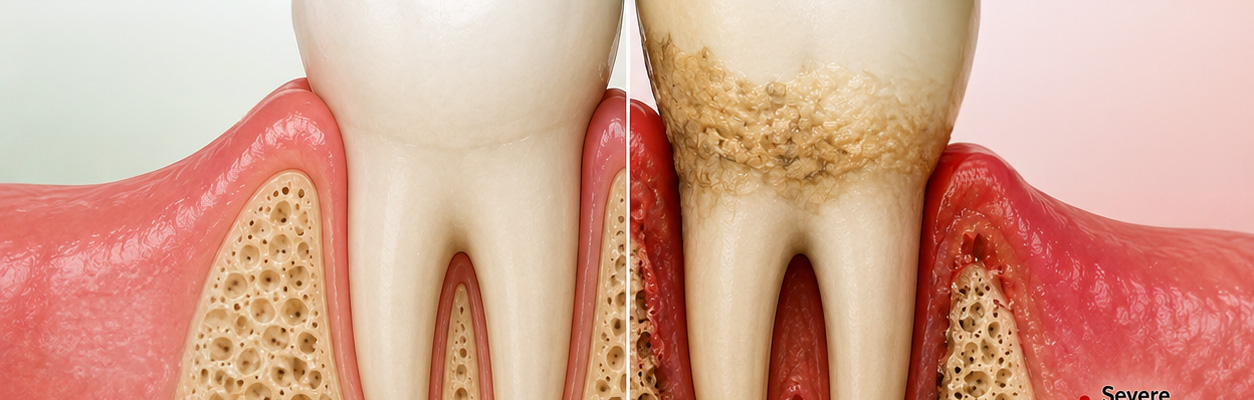
When bacteria from untreated gum disease or other conditions destroy the supporting bone, the teeth gradually lose their stability. If left untreated, bone loss can eventually result in loose teeth and tooth loss.

Bone loss cannot regenerate naturally on its own, making early detection extremely important.

Causes: Losing Bone Around your Teeth?

Several factors can contribute to the gradual loss of jawbone around your teeth.

Gum Disease (Periodontitis)

The leading cause of bone loss is advanced gum disease. Bacteria beneath the gums trigger chronic inflammation that slowly destroys the supporting bone.

Missing Teeth

When a tooth is lost and not replaced, the surrounding jawbone no longer receives stimulation during chewing. Over time, the bone begins to shrink.

Poor Oral Hygiene

Plaque and tartar buildup increase the risk of gum infections, eventually affecting the underlying bone.

Smoking and Tobacco Use

Smoking reduces blood supply to the gums, slows healing, and significantly increases the risk of periodontal disease.

Diabetes

Poorly controlled diabetes makes patients more susceptible to infections and accelerates gum disease progression.

Teeth Grinding (Bruxism)

Excessive pressure from grinding can damage the supporting tissues around teeth and worsen existing bone loss.

Warning Signs That You May Be Losing Bone Around Your Teeth

Losing bone around your teeth often develops gradually. Watch for these early symptoms.

1. Bleeding Gums

If your gums bleed while brushing or flossing, it should never be ignored. Persistent bleeding is often an early sign of gum disease, which can eventually affect the supporting bone.

2. Swollen or Red Gums

Healthy gums are firm and pink. Red, swollen, or tender gums usually indicate inflammation that may progress deeper into the supporting structures.

3. Receding Gums

Do your teeth appear longer than before? Receding gums may expose the roots of the teeth and often indicate underlying bone loss.

4. Persistent Bad Breath

Bad breath that does not improve despite brushing may indicate bacterial infection deep beneath the gums. This is commonly associated with periodontal disease.

5. Loose Teeth

One of the clearest warning signs of bone loss is increasing tooth mobility. If a tooth feels loose, immediate dental evaluation is necessary.

6. Changes in Your Bite

If your teeth no longer fit together the way they used to, bone loss may have altered the support around your teeth.

7. Spaces Developing Between Teeth

New gaps appearing between teeth can occur when the supporting bone begins shrinking.

8. Pus Around the Gums

Pus or discharge around a tooth is a sign of advanced gum infection and requires urgent treatment.

9. Tooth Sensitivity

As gums recede and roots become exposed, patients often experience increased sensitivity to hot or cold foods.

10. Difficulty Chewing

Advanced bone loss reduces tooth stability, making chewing uncomfortable or painful.

How Is Bone Loss Diagnosed?

Losing bone around your teeth cannot always be identified through a routine visual examination alone.

At Maeoris Dental Clinic, diagnosis may include:

  • Comprehensive gum examination
  • Periodontal pocket measurements
  • Digital dental X-rays
  • 3D CBCT scanning for accurate assessment of bone levels
  • Evaluation of bite and tooth mobility

Our advanced 3D CBCT technology allows us to assess bone quality, detect hidden defects, and plan treatment with greater precision than conventional X-rays.

Can Bone Loss Be Treated?

Yes—but treatment depends on how advanced the condition is.

Treatment options may include:

Professional Deep Cleaning

Scaling and root planing remove bacteria and tartar beneath the gums, helping control infection.

Periodontal Therapy

Specialised gum treatments help stop further destruction of the supporting tissues.

Bone Grafting

When bone loss is significant, bone grafting procedures may help rebuild lost bone in suitable cases.

Dental Implants

If teeth have already been lost due to bone loss, dental implants can restore function. In cases with insufficient bone, procedures such as bone grafting or advanced implant solutions may be recommended after a detailed evaluation.

At Maeoris Dental Clinic, implant planning is carried out using advanced 3D CBCT imaging, ensuring precise diagnosis and predictable treatment planning.

How Can You Prevent Bone Loss?

Most cases of bone loss are preventable with proper oral care. Here are a few simple habits that can make a significant difference:

  • Brush twice daily using proper technique.
  • Floss every day.
  • Attend regular dental check-ups and professional cleanings.
  • Avoid smoking and tobacco products.
  • Control diabetes and other medical conditions.
  • Replace missing teeth promptly.
  • Seek treatment early if you notice bleeding gums or persistent bad breath.

Why Early Detection Matters

Unlike tooth decay, bone loss often progresses silently. Once a significant amount of bone has been lost, treatment becomes more complex and may require surgical procedures.

Routine dental examinations and advanced imaging can identify bone changes long before symptoms become severe, allowing for simpler and more effective treatment.

Why Choose Maeoris Dental Clinic?

Maeoris Dental Clinic combines experienced clinical care with advanced digital technology to diagnose and manage gum disease and bone loss accurately.

Patients benefit from:

  • Advanced 3D CBCT imaging for precise diagnosis
  • Comprehensive periodontal care
  • Digital treatment planning
  • Modern implant dentistry for tooth replacement when required
  • Personalised care focused on long-term oral health

Whether you’re searching for the best dental clinic in Madurai or the best dental clinic in Dindigul, Maeoris Dental Clinic is committed to helping you preserve your natural teeth and maintain a healthy smile. Book an appointment today!

Book an appointment