

Missing teeth are often considered a cosmetic concern, but their impact can go beyond appearance. Teeth play an essential role in biting and chewing food before it reaches the digestive system. When several teeth are missing, reduced chewing efficiency can affect eating habits, food choices and, indirectly, nutritional intake.
Understanding this connection can help you recognise why replacing missing teeth is important for maintaining oral function and enjoying a varied diet. Let us decode this with the experts of Maeoris Dental Clinic.
Why Are Teeth Important for Digestion?
Digestion begins in the mouth. Chewing breaks food into smaller particles and mixes it with saliva, making it easier to swallow and process.
When teeth are missing, particularly molars used for grinding, it can become harder to properly break down certain foods. This does not mean missing teeth directly cause digestive problems, but inefficient chewing can influence how a person eats.
How Missing Teeth Can Change Your Diet
Foods that require more chewing may become uncomfortable or difficult to eat. Some people with multiple missing teeth may gradually avoid foods such as:
- Raw vegetables and firmer fruits
- Nuts and seeds
- Tough or fibrous meats
- Certain whole grains and legumes
- Other crunchy or chewy foods
Instead, they may rely more on softer foods that are easier to manage.
If this continues over time, reducing the variety of foods in the diet may affect intake of important nutrients such as protein, fibre, vitamins and minerals.
Can Missing Teeth Affect Nutrition?
Indirectly, yes.
Missing teeth do not automatically cause nutritional deficiencies. However, difficulty chewing can lead some people to avoid nutrient-dense foods. For example, reducing the intake of vegetables, fruits, nuts, seeds or protein-rich foods can make it harder to maintain a balanced and varied diet.
This is particularly relevant when multiple teeth are missing and chewing is significantly compromised.
What Happens to the Remaining Teeth?
Tooth loss can also change how the remaining teeth are used. Depending on the location and number of missing teeth, neighbouring teeth may shift, the bite may change, and greater chewing forces may be placed on certain areas.
Other possible consequences include:
- Difficulty chewing on one or both sides
- Food getting trapped around the affected area
- Changes in bite and tooth alignment
- Progressive bone loss around the missing tooth site
For these reasons, replacing missing teeth is about more than restoring the appearance of your smile.
How Can Missing Teeth Be Replaced?
The appropriate treatment depends on the number and location of missing teeth, bone and gum health, bite and overall oral condition.
Dental Implants
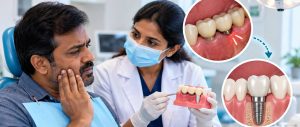
Dental implants replace the missing tooth root and can support a crown, bridge or implant-supported denture. They provide a stable foundation for tooth replacement and can help restore chewing function.
Dental Bridges
A bridge can replace one or more missing teeth by using neighbouring teeth or implants for support.
Dentures
Partial or complete dentures can replace multiple missing teeth. They can improve chewing, speech and appearance, although stability and chewing efficiency can vary between individuals.
Full-Mouth Implant Rehabilitation
For patients with extensive tooth loss or severely damaged remaining teeth, a comprehensive implant-supported rehabilitation may be considered. Treatment is planned according to the individual’s oral health, bone availability and functional requirements.
The Role of Digital Dentistry in Tooth Replacement
Advances in digital dentistry have transformed the planning and delivery of implant treatment.
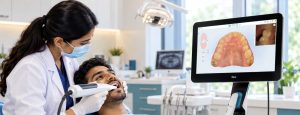
At Maeoris Dental Clinic, technologies such as CBCT imaging, digital impressions, CAD-CAM prosthetic workflows, intraoral scanning, dynamic navigation and implant photogrammetry can be integrated into complex implant treatment.
For full-arch rehabilitation, combining precise implant positioning with accurate digital prosthetic planning can help create restorations designed for both function and aesthetics.
When Should You See a Dentist?
Consider an evaluation if you have missing teeth and notice:
- Difficulty chewing certain foods
- Increasing reliance on soft foods
- Difficulty chewing on one side
- Changes in your bite
- Movement of neighbouring teeth
- Multiple untreated missing teeth
- Difficulty eating comfortably
A dentist can assess your remaining teeth, gums, bone and bite and discuss suitable replacement options.
Restore More Than Your Smile
Missing teeth can affect how comfortably and effectively you chew, which may influence the foods you choose to eat. Replacing them can help restore oral function and make it easier to maintain a varied diet.
Whether you have one missing tooth or require full-mouth rehabilitation, a personalised treatment plan can help determine the most appropriate solution.
Looking for the Best Dental Clinic in Madurai or Dindigul?
Maeoris Dental combines clinical expertise with advanced digital dentistry for comprehensive dental and implant care. From individual tooth replacement to complex full-arch rehabilitation, treatment is planned around precision, function and long-term oral health.
If you are looking for the best dental clinic in Madurai or the best dental clinic in Dindigul for missing teeth or dental implants, consult Maeoris Dental to explore your treatment options.
Frequently Asked Questions
Can missing teeth affect digestion?
Missing teeth do not directly cause digestive disorders. However, reduced chewing efficiency can affect how food is broken down before swallowing and may change eating habits.
Can missing teeth cause nutritional deficiencies?
Not directly. However, if difficulty chewing causes someone to regularly avoid nutritious foods, their overall dietary variety may decrease.
Should I replace a single missing tooth?
Replacing a missing tooth may help restore chewing function and maintain the position and function of the surrounding teeth. Your dentist can determine whether replacement is recommended based on your individual condition.
Are dental implants good for chewing?
Dental implants can provide a stable foundation for replacement teeth and help restore chewing function. Suitability depends on bone, gum health, bite and other individual factors.
What is the best option for multiple missing teeth?
Treatment varies from person to person. Options may include bridges, dentures, implant-supported restorations or full-mouth implant rehabilitation, depending on your oral health and functional needs.