For Appointments:

Dindigul: +91 98421 02384
Madurai: +91 73737 36096

Connect With Us:

Different Types of Bite Problems and Their Consequences

Many people believe that crooked teeth or an uneven bite are only cosmetic concerns. In reality, the way your upper and lower teeth meet, known as your bite, plays a vital role in chewing, speaking, jaw function, and long-term oral health.

A misaligned bite, medically called malocclusion, can lead to problems that go far beyond appearance. It may cause difficulty eating, jaw pain, excessive tooth wear, headaches, gum problems, and even tooth loss if left untreated. Fortunately, modern orthodontic treatments can effectively correct most bite issues and improve both function and appearance.

If you’re looking for the best dental clinic in Madurai, understanding different bite problems can help you recognize when it’s time to seek professional dental care.

What Is a Bite Problem?

A bite problem occurs when the upper and lower teeth do not fit together properly when you close your mouth. This may be due to:

  • Genetics
  • Jaw size differences
  • Crowded or missing teeth
  • Childhood habits such as prolonged thumb sucking
  • Injury or trauma
  • Improper eruption of permanent teeth

Common Types of Bite Problems

1. Overbite

An overbite occurs when the upper front teeth excessively overlap the lower front teeth.

Symptoms

  • Difficulty biting food
  • Lower teeth touching the roof of the mouth
  • Tooth wear
  • Jaw discomfort

Consequences

Without treatment, a deep overbite may cause excessive pressure on the front teeth, gum recession, and jaw joint problems over time.

2. Underbite

An underbite happens when the lower teeth sit in front of the upper teeth.

Symptoms

  • Prominent lower jaw
  • Difficulty chewing
  • Speech issues
  • Facial imbalance

Consequences

An untreated underbite can lead to uneven tooth wear, jaw pain, chewing difficulties, and accelerated damage to teeth.

3. Crossbite

A crossbite occurs when one or more upper teeth bite inside the lower teeth instead of outside them.

It may affect:

  • Front teeth
  • Back teeth
  • One side or both sides

Consequences

Crossbites can cause:

  • Uneven jaw growth
  • Gum recession
  • Tooth chipping
  • Difficulty chewing
  • Facial asymmetry if left untreated during childhood.

4. Open Bite

An open bite means the upper and lower front teeth do not touch when the mouth is closed.

Common Causes

  • Thumb sucking
  • Tongue thrusting
  • Skeletal jaw differences

Consequences

People with an open bite often experience:

  • Difficulty biting into food
  • Speech problems
  • Mouth breathing
  • Increased strain on back teeth

5. Crowded Teeth

Crowding occurs when there isn’t enough space for teeth to align properly.

Consequences

Crowded teeth make brushing and flossing difficult, increasing the risk of:

  • Tooth decay
  • Gum disease
  • Bad breath
  • Plaque buildup

6. Spacing Between Teeth

Large gaps may develop naturally or after tooth loss.

Consequences

Spacing can:

  • Affect appearance
  • Trap food particles
  • Increase gum problems
  • Cause neighbouring teeth to shift over time

7. Overjet (Protruding Front Teeth)

Many people confuse an overjet with an overbite.

In an overjet, the upper front teeth protrude significantly forward.

Consequences

Protruding teeth are:

  • More likely to fracture during falls or sports injuries
  • Difficult to close lips comfortably
  • Often associated with speech concerns

Signs That You May Have a Bite Problem

You should visit a dentist if you notice:

  • Difficulty chewing food
  • Jaw pain or clicking sounds
  • Frequent headaches
  • Teeth that don’t meet properly
  • Crooked or crowded teeth
  • Speech difficulties
  • Mouth breathing
  • Uneven tooth wear
  • Frequent cheek biting

Why Bite Problems Should Not Be Ignored

Many patients delay treatment because their bite doesn’t hurt initially.

However, untreated bite problems can gradually lead to:

Excessive Tooth Wear

Teeth that meet incorrectly experience abnormal forces, causing enamel to wear down faster.

Gum Disease

Misaligned teeth are harder to clean, increasing plaque accumulation and gum infections.

Jaw Joint Disorders (TMJ)

Improper bites place extra stress on the jaw joints, leading to:

  • Jaw pain
  • Clicking
  • Difficulty opening the mouth
  • Headaches

Difficulty Chewing

Poor chewing affects digestion because food isn’t broken down properly before swallowing.

Speech Problems

Certain bite problems interfere with pronunciation, especially in children.

Reduced Self-Confidence

Many people become self-conscious about smiling, speaking, or taking photographs due to visible misalignment.

How Are Bite Problems Diagnosed?

Modern dental clinics use advanced technology to accurately evaluate your bite.

A comprehensive assessment may include:

  • Clinical examination
  • Digital intraoral scanning
  • Digital bite analysis
  • CBCT (3D imaging), when required
  • Digital treatment planning

Digital diagnostics allow dentists to identify even small alignment issues before they become major problems.

Treatment Options for Bite Problems

Treatment depends on the severity and underlying cause.

Your dentist may recommend:

  • Braces
  • Clear aligners
  • Growth modification appliances for children
  • Tooth reshaping in selected cases
  • Dental restorations
  • Dental implants for missing teeth
  • Jaw surgery for severe skeletal problems

Why Early Treatment Matters

Children should ideally have their bite evaluated by age seven, but adults can also benefit from orthodontic treatment.

Correcting bite problems early helps:

  • Prevent tooth damage
  • Reduce treatment complexity
  • Improve oral hygiene
  • Protect jaw joints
  • Enhance facial aesthetics
  • Improve chewing efficiency

Modern orthodontic options are more comfortable and discreet than ever before.

Why Choose Maeoris Dental Clinic?

If you’re searching for the best dental clinic in Madurai, Maeoris Dental combines experienced specialists with advanced digital dentistry to diagnose and treat bite problems with exceptional precision.

Our digital workflow includes:

  • Advanced CBCT imaging
  • Digital intraoral scanning
  • Comprehensive bite analysis
  • CAD-CAM technology
  • Personalised orthodontic and restorative treatment planning

By identifying bite problems early and using advanced digital diagnostics, we help patients achieve healthier smiles, improved comfort, and long-lasting oral health. Book your appointment today.

Can You Get Permanent Teeth in a Day? Everything You Need to Know

Losing multiple teeth can affect far more than your smile. Eating becomes difficult, speech changes, and many people lose confidence in social situations. Traditionally, replacing missing teeth with dental implants required several months of treatment. Heard of getting permanent teeth in a day?

Today, advancements in digital dentistry have changed that.

With same-day dental implants, eligible patients can walk into the clinic with missing teeth and leave with a fixed set of functional teeth on the very same day. At Maeoris Dental, one of the best dental clinics in Dindigul, advanced digital technologies make this treatment more accurate, predictable, and comfortable than ever before.

Is It Really Possible to Get Permanent Teeth in One Day?

The answer is yes, for most of the patients.

However, it’s important to understand what “permanent teeth in a day” actually means.

On the day of surgery:

  • Dental implants are precisely placed into the jawbone.
  • A fixed temporary prosthesis is attached immediately.
  • You leave the clinic with teeth that look natural and allow you to smile, speak, and eat soft foods.

After the implants fully integrate with the bone over the next few months, the temporary teeth are replaced with a custom-designed final zirconia or ceramic prosthesis for long-term durability and aesthetics.

So while the final prosthetic teeth are delivered later, you do receive a fixed set of teeth on the day of implant surgery, eliminating the need to remain without teeth during healing.

How Does Same-Day Dental Implant Treatment Work?

At Maeoris Dental, every step is digitally planned for maximum precision.

Step 1: Digital Consultation

Your treatment begins with:

  • Digital oral examination
  • CBCT (3D scan)
  • Intraoral scanning
  • Smile analysis
  • Bone quality assessment

These scans allow the implant position to be planned before the surgery even begins.

Step 2: Digital Treatment Planning

Using advanced implant planning software, the dental team determines:

  • Exact implant positions
  • Implant angulation
  • Bone availability
  • Prosthetic design
  • Bite alignment

This virtual planning reduces guesswork and improves long-term implant success.

Step 3: Navigation-Guided Implant Surgery

Maeoris Dental uses the X-Guide NXT Dynamic Navigation System, enabling real-time guidance during implant placement.

Instead of relying solely on freehand techniques, the dentist can visualize the drill position live on a monitor throughout the procedure.

This technology offers:

  • Exceptional placement accuracy
  • Better implant angulation
  • Reduced surgical trauma
  • Improved safety near nerves and sinuses
  • Predictable prosthetic outcomes

Step 4: Immediate Fixed Teeth

Once implant stability is confirmed, a fixed temporary bridge is attached.

Patients leave the clinic with:

  • A complete smile
  • Improved chewing ability
  • Better speech
  • Increased confidence

Step 5: Final Permanent Teeth

After healing (typically 3–6 months), the temporary prosthesis is replaced with a highly aesthetic final restoration.

Maeoris Dental designs final restorations using advanced CAD/CAM technology for excellent fit, comfort, and long-term function.

Who Is Eligible for Permanent Teeth in a Day?

Many patients qualify for immediate loading implants or to get permanent teeth in a day, including those with:

  • Multiple missing teeth
  • Complete tooth loss
  • Failing teeth requiring extraction
  • Loose dentures
  • Severely damaged teeth

Eligibility depends on several factors:

  • Bone quality
  • Bone volume
  • Overall health
  • Implant stability after placement

A detailed CBCT scan determines whether same-day treatment is suitable.

What If I Have Severe Bone Loss?

Many patients believe they cannot receive implants because they have insufficient jawbone.

Fortunately, that’s no longer always true.

Maeoris Dental Clinic offers advanced implant solutions including:

  • Full-mouth rehabilitation
  • Bone augmentation where required
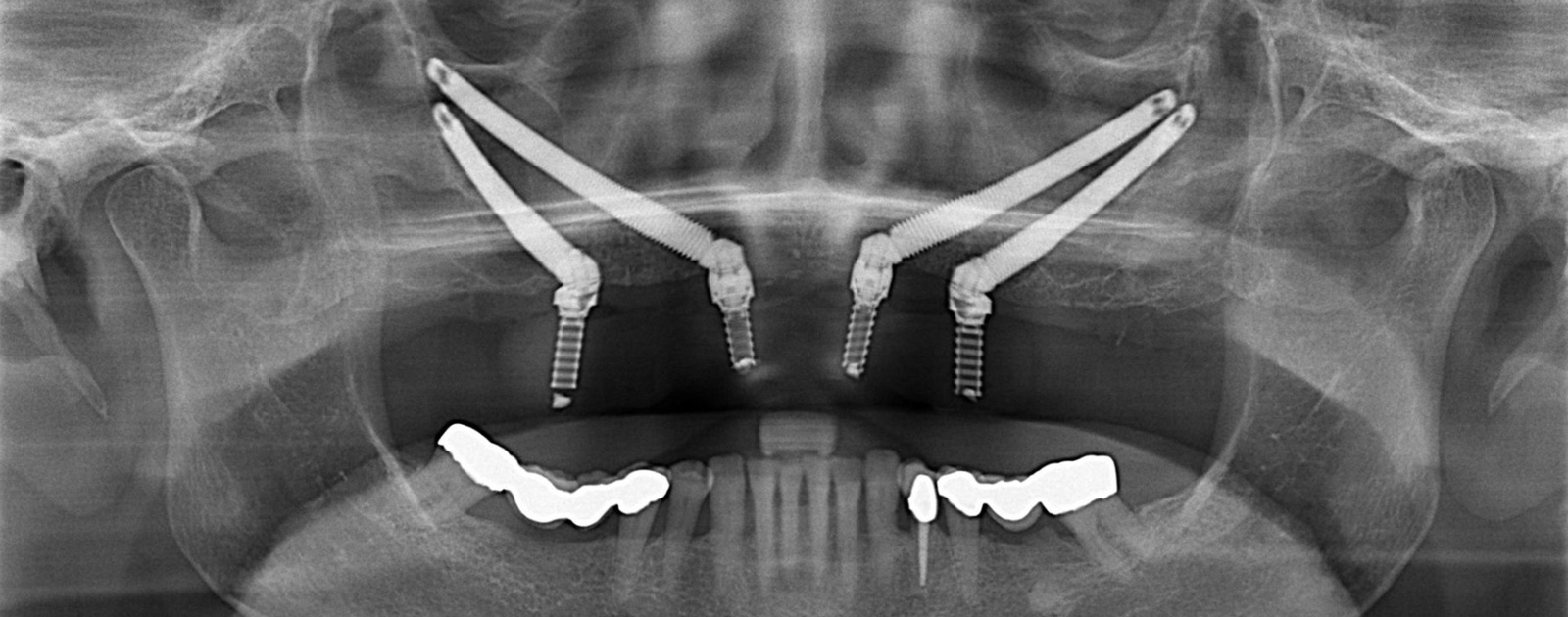
  • Zygomatic implants for severe upper jaw bone loss

These advanced procedures often eliminate the need for lengthy bone grafting, allowing many patients with severe bone loss to receive fixed teeth much sooner.

Why Precision Matters in Same-Day Implant Treatment

Immediate loading requires extremely accurate implant placement.

Even small deviations can affect:

  • Bite alignment
  • Chewing efficiency
  • Prosthetic fit
  • Long-term implant stability

This is why digital technology plays such an important role. Maeoris Dental Clinic integrates multiple digital systems into a single workflow, including:

  • CBCT imaging
  • Digital intraoral scanning
  • Dynamic navigation surgery
  • CAD/CAM prosthetic design
  • In-house digital manufacturing
  • Advanced implant photogrammetry for full-arch restorations

This integrated approach helps ensure greater precision from diagnosis to the final smile.

Benefits of Getting Permanent Teeth In a Day

Patients choose same-day implants or permanent teeth in a day because they offer several advantages:

  • Immediate smile restoration
  • No removable dentures during healing
  • Improved speech
  • Better chewing function
  • Natural-looking appearance
  • Faster return to daily life
  • Fewer surgical appointments
  • Increased comfort and confidence

Why Choose Maeoris Dental Clinic for Getting Permanent Teeth in a Day?

Maeoris Dental Clinic has been at the forefront of digital implant dentistry for nearly two decades, continually investing in advanced technologies that improve precision, comfort, and long-term outcomes.

Our digital workflow includes:

  • Advanced CBCT imaging
  • Digital smile planning
  • TRIOS and PrimeScan intraoral scanners
  • CEREC same-day dentistry
  • In-house CAD/CAM zirconia manufacturing
  • X-Guide Next dynamic navigation
  • Advanced photogrammetry for full-arch implant accuracy

With more than 10,000 Nobel Biocare implants placed, our team has extensive experience in handling everything from single implants to complex full-mouth rehabilitation and zygomatic implant cases.

This commitment to innovation is one reason patients trust Maeoris Dental Clinic as one of the best dental clinics in Dindigul for advanced implant dentistry. Book your appointment today to get permanent teeth in a day.

How Zygomatic Implants Help Patients with Severe Bone Loss

Have You Been Told You Don’t Have Enough Bone for Dental Implants?

One of the most common reasons patients are told they are not suitable candidates for dental implants is severe bone loss in the upper jaw. Losing teeth for a long time causes the jawbone to shrink, making it difficult to support conventional dental implants.

Fortunately, advancements in implant dentistry have made it possible to restore fixed teeth even in complex cases. Zygomatic implants offer an innovative solution for patients with significant bone loss, often eliminating the need for extensive bone grafting procedures.

At Maeoris Dental Clinic, recognised by many patients as one of the best dental clinics in Dindigul and Madurai, we have been providing advanced zygomatic implant treatment since 2009, helping patients regain fixed teeth with precision-driven digital workflows.

Why Does Bone Loss Occur After Tooth Loss?

Your jawbone depends on stimulation from natural tooth roots to maintain its strength and volume.

When a tooth is lost:

  • The surrounding jawbone no longer receives stimulation.
  • The bone gradually shrinks and becomes thinner.
  • The longer the tooth remains missing, the greater the bone loss.

Bone loss can be accelerated by:

  • Long-term use of removable dentures
  • Gum disease (periodontitis)
  • Dental trauma
  • Untreated missing teeth

In severe cases, there may not be enough bone in the upper jaw to securely place conventional dental implants.

What Are Zygomatic Implants?

Zygomatic implants are specialised dental implants designed for patients with severe upper jaw bone loss.

Unlike conventional implants that are anchored into the upper jawbone (maxilla), zygomatic implants are longer and are anchored into the zygoma (cheekbone), which is naturally dense and provides excellent support.

This makes it possible to restore fixed teeth even when there is insufficient jawbone.

Who Can Benefit from Zygomatic Implants?

Zygomatic implants may be recommended for patients who:

  • Have severe bone loss in the upper jaw
  • Have been told they are not eligible for conventional implants
  • Want to avoid extensive bone grafting procedures
  • Have worn removable dentures for many years
  • Have experienced failed implant treatment due to inadequate bone
  • Need full-mouth rehabilitation

A comprehensive clinical examination and 3D imaging help determine whether zygomatic implants are the right solution.

Advantages of Zygomatic Implants

Compared to traditional treatment approaches involving multiple surgeries and bone grafting, zygomatic implants offer several advantages.

Avoid Bone Grafting in Many Cases

Many patients can receive fixed teeth without undergoing extensive bone grafting or sinus lift procedures.

Faster Rehabilitation

Treatment time is often significantly reduced because additional healing time for bone grafts may not be required.

Excellent Stability

The cheekbone provides strong anchorage, allowing highly stable implant support.

Fixed Teeth Instead of Removable Dentures

Patients can regain fixed teeth that look, feel, and function much like natural teeth.

Improved Quality of Life

Restoring proper chewing function allows patients to enjoy a wider variety of nutritious foods while improving speech, comfort, and confidence.

How Digital Technology Improves Zygomatic Implant Treatment

Zygomatic implant surgery requires exceptional precision because of the complex anatomy of the upper jaw.

At Maeoris Dental Clinic, advanced digital technologies help improve planning and accuracy throughout treatment.

Our digital workflow includes:

  • 3D CBCT imaging for detailed anatomical assessment
  • Digital treatment planning
  • X-Guide dynamic navigation surgery for real-time implant guidance
  • Digital intraoral scanning
  • Advanced photogrammetry for precise full-arch implant restorations
  • In-house CAD-CAM fabrication of implant prostheses

This comprehensive digital workflow allows for highly accurate implant placement and predictable prosthetic outcomes.

Why Experience Matters in Zygomatic Implant Surgery

Zygomatic implant treatment is a highly specialised procedure that requires extensive surgical expertise and advanced planning.

Maeoris Dental Clinic introduced zygomatic implant treatment in 2009, making it one of the early adopters of this advanced technique. Over the years, continuous investment in digital dentistry and implant technology has enabled the team to successfully manage complex cases that may not be suitable for conventional implant treatment.

Why Patients Choose Maeoris Dental Clinic

Patients searching for the best dental clinic in Dindigul and best dental clinic in Madurai choose Maeoris Dental for advanced implant care because of our commitment to precision, innovation, and patient-centred treatment.

Our expertise includes:

  • Single tooth dental implants
  • Multiple dental implants
  • Full-mouth rehabilitation
  • Zygomatic implants
  • Navigation-guided implant surgery
  • Digital smile rehabilitation
  • Immediate implant solutions for eligible patients

Every treatment plan is customised based on the patient’s oral health, bone condition, and long-term functional needs.

Don’t Let Bone Loss Stop You from Getting Fixed Teeth

Being told you have insufficient bone for dental implants does not mean you have run out of options.

With advanced solutions such as zygomatic implants, many patients with severe bone loss can once again enjoy the comfort, confidence, and function of fixed teeth.

If you have been advised that you are not a candidate for conventional dental implants, schedule a consultation at Maeoris Dental Clinic. Our experienced team will evaluate your condition using advanced digital diagnostics and recommend the most suitable treatment to restore your smile.

Book your consultation today.

Frequently Asked Questions

Can zygomatic implants replace all the upper teeth?
Yes. Zygomatic implants are commonly used as part of a full-arch rehabilitation to support a fixed prosthesis for patients with severe upper jaw bone loss.

Are zygomatic implants safe?
When performed by experienced implant surgeons using detailed planning and advanced digital technology, zygomatic implants are a well-established and predictable treatment option.

Do all patients with bone loss need zygomatic implants?
No. The choice depends on the amount and location of bone loss. A CBCT scan and clinical examination help determine the most appropriate treatment plan.

Can I avoid bone grafting with zygomatic implants?
In many cases, yes. One of the major advantages of zygomatic implants is that they often eliminate the need for extensive bone grafting in patients with severe upper jaw bone loss.

Book an appointment today.

Book an appointment