
Full mouth implant rehabilitation can be a life-changing treatment for people who have lost most or all of their teeth, have severely damaged teeth or are struggling with loose and uncomfortable dentures. But while the treatment itself receives much of the attention, patients often have an equally important question:
What happens after full mouth implant rehabilitation?
Life after treatment involves a period of healing, adjustment and follow-up care. As your mouth adapts to your new teeth, you may gradually regain functions that tooth loss can make difficult, such as chewing, speaking and smiling confidently.
Here is what you can expect after full mouth implant rehabilitation at one of the best dental clinic in Madurai and Dindigul, and how to care for your new implant-supported teeth for the long term.
What Is Full Mouth Implant Rehabilitation?
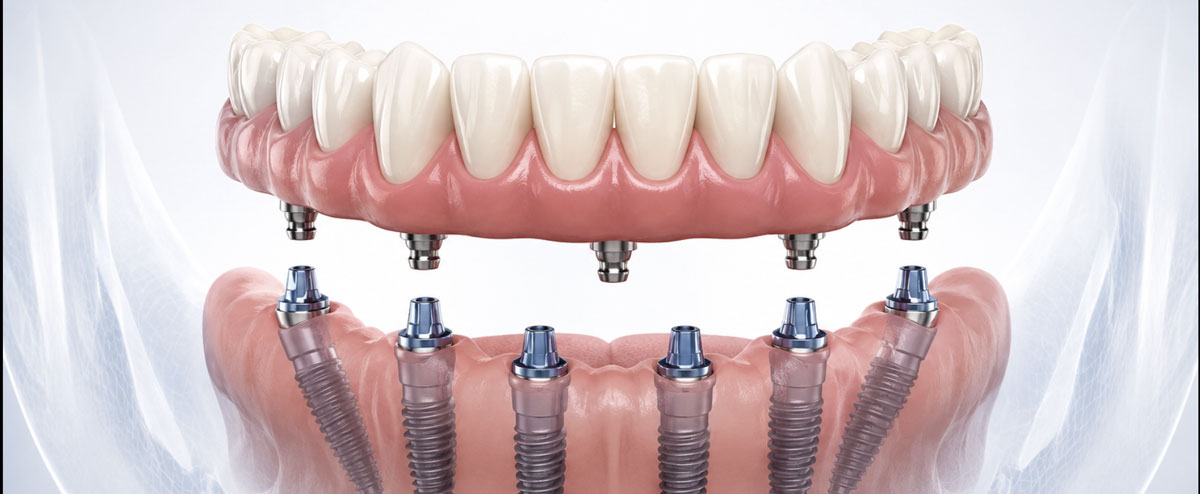
Full mouth implant rehabilitation is a comprehensive treatment used to replace all or most missing teeth in one or both arches.
Depending on the patient’s condition and treatment plan, it may involve:
- Dental implants placed in the jawbone
- Implant-supported fixed teeth
- Temporary teeth during the healing phase, where clinically appropriate
- A final implant-supported prosthesis designed for long-term function and aesthetics
Every case is different. The number and position of implants, type of prosthesis and treatment timeline depend on factors such as bone availability, oral health, bite, aesthetic requirements and overall treatment goals.
For patients with severe bone loss in the upper jaw, advanced treatment options such as zygomatic implants may also be considered in carefully selected cases.
The First Few Days After Implant Surgery
The first few days after surgery are primarily focused on healing.
It is normal to experience some degree of:
- Swelling
- Mild to moderate discomfort
- Tenderness around the surgical area
- Temporary difficulty eating certain foods
- Slight bruising in some cases
Your dental team will provide specific instructions regarding medication, oral hygiene and diet. Following these instructions carefully is essential for a smooth recovery.
What Should You Eat?
Immediately after surgery, you may need to follow a soft-food diet based on your clinician’s recommendations.
Suitable foods may include:
- Soft-cooked vegetables
- Yogurt
- Eggs
- Soft rice preparations
- Soups that are not excessively hot
- Mashed foods
- Other foods recommended by your dental team
Even if temporary fixed teeth are provided, it is important not to assume that you can immediately eat hard or highly chewy foods. The healing implants need protection while they integrate with the surrounding bone.
Adjusting to Your New Teeth
Whether you receive an immediate temporary restoration or a final prosthesis later in the treatment process, your mouth needs time to adapt.
Initially, your new teeth may feel different from your natural teeth. This does not necessarily mean there is a problem. Your tongue, lips, cheeks and jaw muscles may need time to adjust to the new tooth shape, position and bite.
You may notice changes in:
Speaking
Certain words may feel different to pronounce initially. Your tongue needs to adapt to the contours and position of your new teeth.
For most patients, speech improves as they become accustomed to the prosthesis. Reading aloud and practising normal conversation can help you adapt.
Chewing
After years of missing or damaged teeth, chewing with a stable implant-supported restoration can feel significantly different.
However, chewing should be reintroduced gradually according to your dentist’s instructions. The type of foods you can eat will depend on your stage of healing and the type of restoration provided.
Your Bite
Your bite may feel unfamiliar at first, particularly if your previous teeth were severely worn, missing or positioned incorrectly.
Full mouth rehabilitation is designed to restore a planned relationship between the upper and lower teeth. Small adjustments may sometimes be required during follow-up appointments to ensure comfort and proper function.
The Healing Period: Why It Is So Important
Dental implants require time to integrate with the surrounding bone. This biological process is called osseointegration.
During this period, the stability of the implants and the forces placed on them need to be carefully managed.
Your treatment may involve several stages, depending on your individual clinical situation. Some patients may receive immediate fixed teeth, while others may require a different approach.
It is important to understand that having teeth fixed on the same day does not mean the healing process is complete. The temporary restoration, diet and bite may need to be managed carefully while your implants heal.
Regular follow-up visits allow your dental team to monitor healing and make any necessary adjustments.
What Happens When You Receive Your Final Teeth?
Once your dentist determines that the implants and surrounding tissues are ready, the final prosthesis can be planned and fabricated.
This is where precision becomes particularly important.
A full-mouth implant restoration must consider more than simply replacing missing teeth. The final prosthesis needs to work with your:
- Facial appearance
- Smile line
- Lip support
- Speech
- Bite
- Jaw movements
- Chewing function
- Implant positions
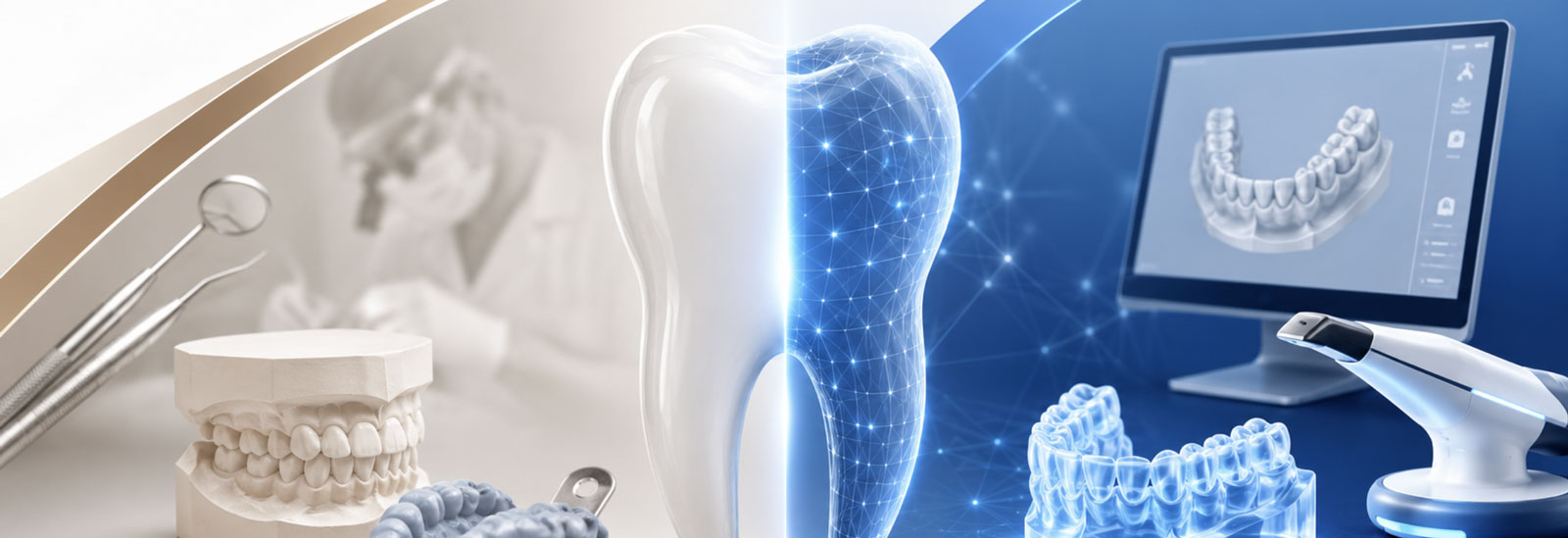
At Maeoris Dental clinic, advanced digital workflows support the planning and fabrication of complex implant restorations. Our experience with in-house digital prosthetic workflows, implant planning and advanced technologies helps us maintain precision across different stages of full-mouth rehabilitation.
For full-arch restorations, accurate recording of implant positions is particularly important. Advanced digital technologies, including intraoral scanning and photogrammetry workflows, can support highly precise capture of implant positions for the fabrication of implant-supported prostheses.
How Will Your New Teeth Feel?
Implant-supported teeth are stable and designed to function like teeth, but they are not biologically identical to natural teeth.
Natural teeth are connected to the jaw through a periodontal ligament, while dental implants integrate directly with the surrounding bone. Therefore, the sensation and feedback associated with chewing may be different.
Over time, however, many patients become comfortable and confident using their implant-supported teeth as part of their daily routine.
The goal of rehabilitation is to restore stable function while creating a smile that feels natural in everyday life.
Can You Eat Normally After Full Mouth Implant Rehabilitation?
In the long term, many patients can enjoy a much wider range of foods than they could with loose or poorly fitting dentures.
However, the transition should always follow your dentist’s recommendations.
During the early healing phase, you may need to avoid foods that place excessive force on the implants or temporary restoration. Once healing is complete and the final teeth are placed, you can gradually return to a more normal diet as advised.
Even with a successful implant-supported restoration, it is wise to avoid using your teeth as tools or repeatedly biting extremely hard objects.
Good chewing habits and regular maintenance help protect both the prosthesis and the implants.
How Do You Clean Full Mouth Implant-Supported Teeth?
Dental implants cannot develop cavities in the same way natural teeth do, but this does not mean they are maintenance-free.
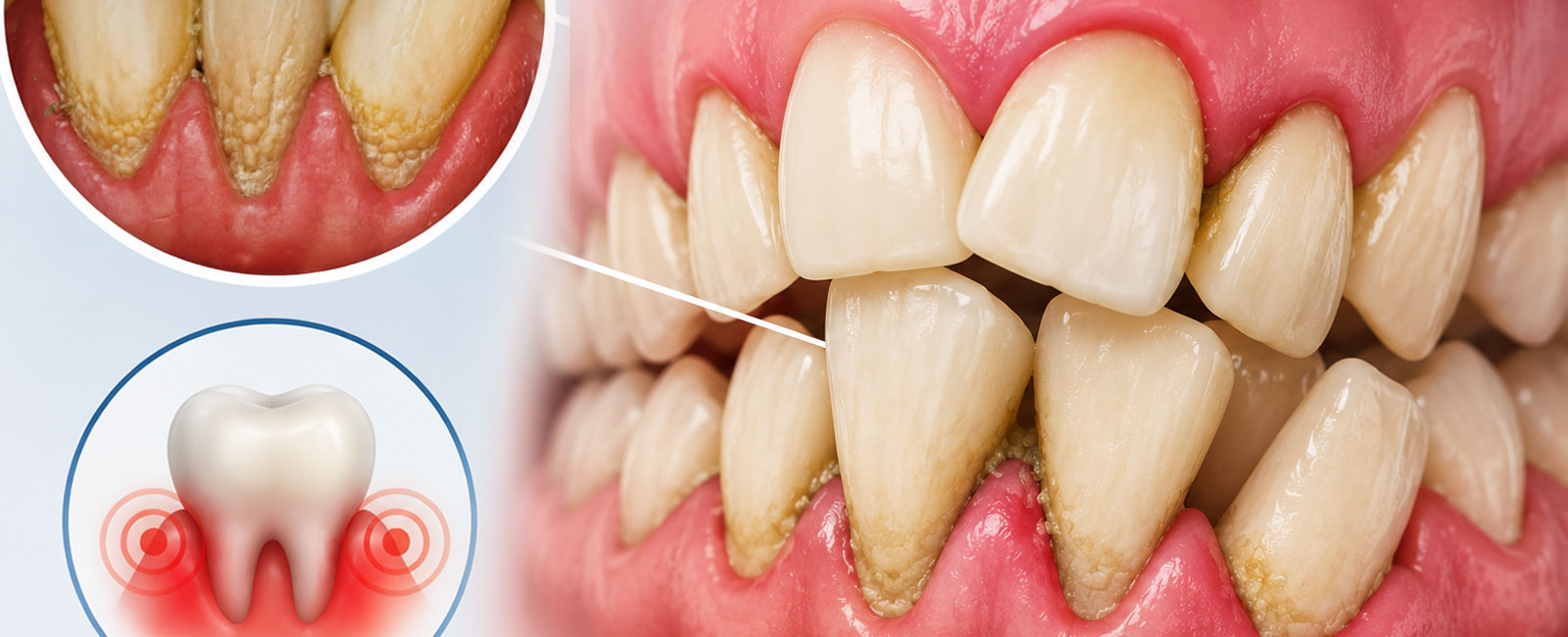
Plaque and bacteria can still accumulate around implants and the prosthesis. Without proper cleaning and professional care, inflammation can develop in the tissues surrounding an implant.
Your home-care routine may include, depending on your restoration design:
- Brushing as recommended by your dental team
- Cleaning carefully around the gum line
- Special interdental brushes
- Floss or implant-specific cleaning aids where appropriate
- Water irrigation devices if recommended
- Cleaning beneath the prosthesis in areas that are accessible
The exact cleaning technique depends on the type of full-mouth restoration you have. Your dental team should demonstrate how to clean around and beneath your specific prosthesis.
Do not rely on a general cleaning routine from the internet when you have a complex implant restoration. The design of your prosthesis determines which areas require special attention.
Why Are Regular Follow-Up Visits Necessary?
Regular maintenance appointments are an important part of life after full mouth implant rehabilitation.
These visits allow your dental team to assess:
- The health of the tissues around the implants
- Plaque and calculus accumulation
- Your bite
- The condition of the prosthesis
- Wear or damage to prosthetic components
- Any changes in your oral health
Implant-supported teeth can last for many years, but long-term success depends on several factors, including oral hygiene, regular maintenance, bite forces and overall patient care.
Small concerns identified early can often be managed before they become more complicated.
What If Something Feels Loose or Uncomfortable?
Contact your dental team if you notice:
- A feeling that the restoration is moving
- A change in your bite
- Persistent pain or discomfort
- Swelling or bleeding around the implants
- Difficulty chewing that was not present before
- A cracked or damaged prosthetic tooth
- A screw-related or other mechanical concern identified by your dentist
Do not attempt to repair or adjust an implant-supported prosthesis yourself.
A change that appears minor may require professional evaluation to protect the implants and restoration.
What Are the Long-Term Expectations?
A well-planned and properly maintained full-mouth implant rehabilitation can provide long-term functional and aesthetic benefits.
However, implants and implant-supported prostheses require ongoing care. Your long-term commitment should include:
1. Daily Oral Hygiene
Clean your teeth and the areas around your implants according to the instructions provided for your specific prosthesis.
2. Regular Professional Maintenance
Do not skip follow-up appointments simply because your teeth feel comfortable. Implant health should be monitored regularly.
3. Protecting Your Teeth From Excessive Force
If you grind or clench your teeth, your dentist may recommend additional protective measures, such as a night guard, depending on your situation.
4. Reporting Changes Early
Bleeding, swelling, looseness or changes in your bite should be assessed rather than ignored.
The Emotional Side of Getting Your Smile Back
The impact of full mouth rehabilitation is not always limited to chewing and speaking.
For someone who has spent years hiding their smile, avoiding certain foods or struggling with loose teeth, the transition can also bring significant emotional changes.
Patients may gradually become more comfortable:
- Smiling in photographs
- Speaking in social situations
- Eating in front of others
- Meeting new people
- Participating in everyday activities without worrying about their teeth
At the same time, adjusting to a completely new smile can take time. The appearance and function of your teeth may feel unfamiliar initially, particularly if you have lived with missing or damaged teeth for many years.
Allow yourself time to adapt and communicate openly with your dental team about any concerns.
Advanced Digital Planning for Complex Full Mouth Rehabilitation
Full mouth implant rehabilitation requires careful planning because every stage can affect the final outcome.
At Maeoris Dental Clinic, digital dentistry has been part of our clinical evolution for more than a decade. From early adoption of CBCT imaging and CAD-CAM prosthetics to intraoral scanning, in-house milling and advanced implant workflows, our focus has been on improving precision and clinical control across complex treatments.
Our advanced digital capabilities include technologies that support:
- Detailed implant treatment planning
- Digital impressions and intraoral scanning
- Guided and dynamic navigation workflows
- Precise capture of implant positions for full-arch prosthetics
- In-house fabrication of selected prosthetic components
- Coordination between surgical and prosthetic planning
For patients requiring complex rehabilitation, this level of planning can help create a more coordinated approach from implant placement to the final teeth.
Looking for Full Mouth Implant Rehabilitation in Madurai or Dindigul?
If you are considering a full mouth implant rehabilitation, a comprehensive consultation is the first step. Every patient has different levels of bone support, oral health needs, aesthetic expectations and functional requirements.
At Maeoris Dental Clinic, we combine extensive experience in implant dentistry with advanced digital workflows for the planning of complex implant rehabilitation.
Whether you are looking for full mouth dental implants in Madurai, full mouth dental implants in Dindigul, or a best dental clinic in Madurai or best dental clinic in Dindigul for advanced implant treatment, our team can assess your individual condition and discuss the treatment options appropriate for you.
Frequently Asked Questions
How long does it take to recover after full mouth implant surgery?
Recovery varies depending on the complexity of treatment, number of implants, bone condition and the type of restoration provided. Your dentist will give you a specific recovery and dietary plan based on your case.
Can I eat normally after full mouth implants?
Many patients can return to a wider range of foods after healing and completion of the rehabilitation. However, the transition should be gradual and follow your dentist’s recommendations.
Do full mouth dental implants require special cleaning?
Yes. Although implants do not get cavities like natural teeth, the tissues around them still require careful cleaning. Your dentist will recommend a hygiene routine based on your specific prosthesis.
How long do full mouth implant restorations last?
Longevity varies depending on oral hygiene, regular maintenance, bite forces, the condition of the implants and other individual factors. Both the implants and prosthetic components require ongoing monitoring.
Can full mouth implants be done in one day?
Some carefully selected patients may receive fixed temporary teeth on the same day as implant placement. However, treatment and healing continue after surgery, and the final prosthesis may be provided at a later stage depending on the treatment plan.
What should I expect after getting full mouth implants?
You can expect a healing period, an adjustment phase and regular follow-up care. Over time, many patients adapt to improved stability for chewing, speaking and smiling, while continuing a dedicated home-care and maintenance routine.