

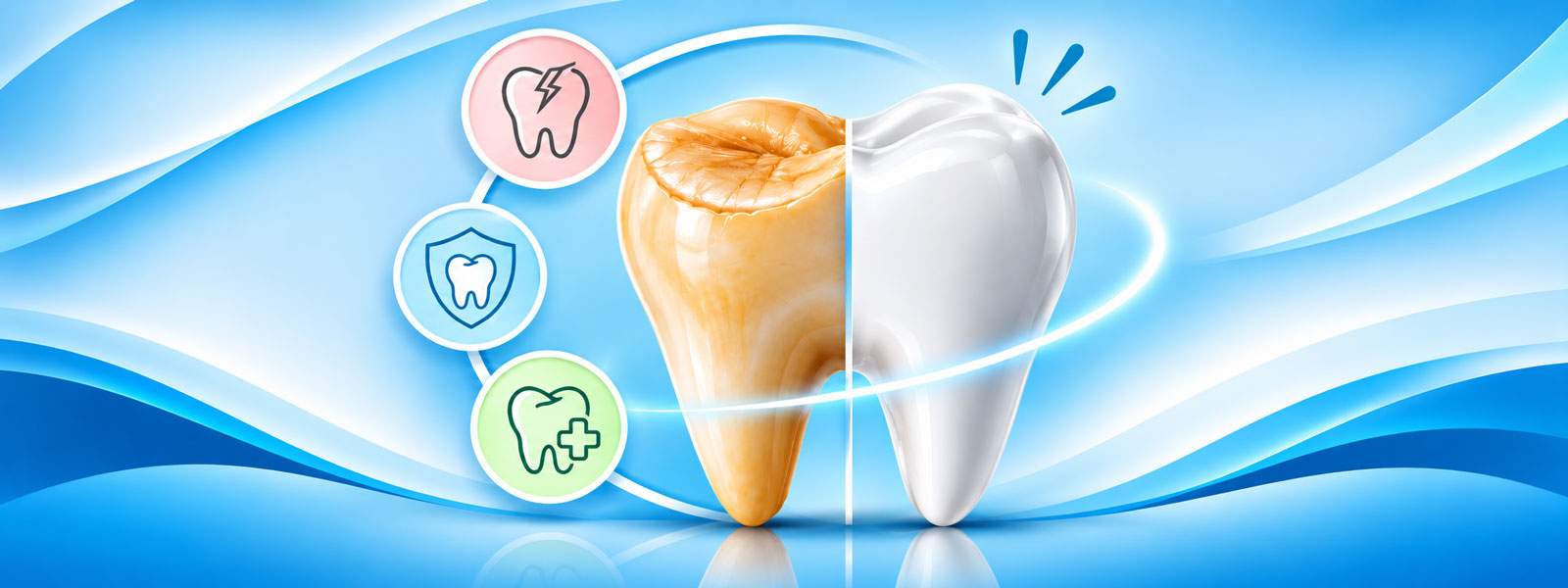
Teeth are designed to withstand years of biting and chewing, but they are not indestructible. Over time, the outer surface of a tooth can gradually wear away. While a certain amount of wear can occur naturally with age, excessive tooth wear can affect the appearance, strength and function of your teeth.
The challenge is that tooth wear often develops slowly. You may not notice it until your teeth begin to look shorter, become sensitive or develop visible changes.
At Maeoris Dental Clinic, identifying the cause of tooth wear is an important part of treatment. Rather than simply restoring the damaged tooth, the underlying reason for the wear needs to be understood to help protect the teeth in the long term.
What Is Tooth Wear?
Tooth wear refers to the gradual loss of tooth structure that is not primarily caused by dental decay or trauma. It can affect the protective enamel and, when more advanced, expose the softer dentine underneath.
Depending on its cause, tooth wear can appear as:
- Flattened or shortened teeth
- Smooth, shiny areas on the tooth surface
- Small chips or worn edges
- Yellowish areas where dentine has become exposed
- Increased tooth sensitivity
- Changes in the shape of the teeth
- Changes in the way the upper and lower teeth meet
Because enamel cannot naturally regenerate once it has been lost, early identification is particularly important.
What Causes Tooth Wear?
There is rarely one universal cause. In many patients, several factors may be contributing simultaneously.
1. Teeth Grinding and Clenching
Bruxism — habitual grinding or clenching of the teeth — can place significant pressure on the teeth. It may happen during sleep or unconsciously during the day.
Over time, repeated tooth-to-tooth contact can flatten biting surfaces, wear down enamel and sometimes cause cracks or fractures.
Stress, sleep-related factors and bite-related issues may contribute to grinding in some individuals.
2. Acidic Foods and Drinks
Frequent exposure to acids can gradually soften and erode tooth enamel. Common sources include:
- Carbonated drinks
- Energy and sports drinks
- Citrus fruits and juices
- Certain acidic foods
- Frequent consumption of vinegar-based foods or drinks
It is not necessarily one occasional acidic drink that causes the problem. Frequency of exposure can make a significant difference.
3. Acid Reflux and Gastric Acids
Not all acid exposure comes from food.
Gastro-oesophageal reflux can repeatedly expose the teeth to stomach acid. Because this can occur without obvious dental symptoms initially, characteristic wear patterns noticed during a dental examination may sometimes indicate that further medical assessment should be considered.
4. Aggressive Brushing Habits
Brushing harder does not necessarily mean cleaning better.
Excessive force, particularly when combined with abrasive toothpaste or an unsuitable toothbrush, can contribute to wear around the gumline.
Using the correct brushing technique and appropriate oral-care products can help protect both the teeth and gums.
5. Bite and Tooth Alignment
The way the upper and lower teeth come together can influence how forces are distributed during chewing.
When certain teeth repeatedly receive excessive pressure, localised wear may develop. Crowding, missing teeth or changes in the bite can also alter how chewing forces are distributed.
Signs of Tooth Wear You Should Not Ignore
Tooth wear can progress gradually, which makes regular dental examinations valuable even when there is no pain.
Consider having your teeth evaluated if you notice:
- Teeth becoming noticeably shorter
- Flattened biting surfaces
- Increasing sensitivity to cold, heat or sweets
- Chipped or rough tooth edges
- Yellow areas becoming more visible
- Changes in your bite
- Repeated fractures of restorations
- Jaw discomfort associated with grinding or clenching
By the time significant pain develops, considerably more tooth structure may already have been lost.
Can Tooth Wear Be Prevented?
In many cases, progression can be reduced once the contributing factors are identified.
Reduce Frequent Acid Exposure
Limit how often your teeth are exposed to acidic foods and beverages. After consuming something acidic, rinsing with water can help.
Avoid brushing immediately after significant acid exposure, as the enamel surface may temporarily be softened.
Brush Gently and Effectively
Use a soft-bristled toothbrush and appropriate brushing technique rather than excessive pressure.
Your dentist can also recommend toothpaste based on your enamel condition and sensitivity.
Address Teeth Grinding
If grinding or clenching is contributing to tooth wear, your dentist may recommend a customised protective appliance such as a night guard, depending on your individual condition.
However, protecting the teeth is only one aspect. The pattern of wear, bite and possible contributing factors should also be evaluated.
Investigate Reflux When Appropriate
If tooth wear appears to be associated with gastric acid exposure, dental treatment may need to be coordinated with appropriate medical evaluation and management.
Attend Regular Dental Check-Ups
Monitoring is particularly important with tooth wear because small changes can be difficult to recognise yourself.
Digital scans, clinical photographs and examinations can help dentists monitor changes in tooth shape and structure over time.
How Is Tooth Wear Treated?
Treatment depends on how much tooth structure has been lost, which teeth are affected and what is causing the wear.
For mild cases, treatment may focus primarily on prevention, sensitivity management and regular monitoring.
When tooth structure has been significantly affected, restorative treatment may be considered. Depending on the clinical situation, this can include:
- Tooth-coloured composite restorations
- Veneers in selected cases
- Crowns or other restorations for extensively damaged teeth
- Bite rehabilitation when multiple teeth are involved
- Protective appliances for patients who grind or clench
Severe tooth wear may require comprehensive planning because simply restoring one worn tooth without considering the overall bite can result in further problems.
Why Digital Assessment Matters in Tooth Wear
Modern digital dentistry can provide dentists with a more detailed understanding of the teeth and bite.
At Maeoris Dental Clinic, digital scanning and advanced diagnostic technologies can be incorporated into treatment planning where appropriate. A digital representation of the teeth can help clinicians assess tooth shape, alignment, bite relationships and restorative requirements.
Digital records can also be valuable for monitoring changes over time, particularly when tooth wear is gradual.
Restoring Function, Not Just Appearance
Worn teeth are sometimes considered primarily a cosmetic concern. But advanced tooth wear can affect much more than the appearance of a smile.
Loss of tooth structure can influence sensitivity, chewing efficiency, bite relationships and the long-term strength of the teeth.
That is why treatment should not simply focus on making worn teeth look longer again. The objective is to understand why the wear occurred, control the contributing factors and restore the teeth appropriately when required.
Looking for Tooth Wear Treatment in Madurai or Dindigul?
If your teeth appear shorter, flatter, more sensitive or increasingly worn, an early dental evaluation can help determine what is happening before additional tooth structure is lost.
At Maeoris Dental, we combine clinical assessment with modern digital dentistry to diagnose and plan treatment according to each patient’s individual dental condition.
For patients searching for the best dental clinic in Madurai or the best dental clinic in Dindigul, Maeoris Dental provides comprehensive care ranging from preventive and restorative dentistry to orthodontics, dental implants and advanced digital dental treatments.
Protect Your Teeth Before Wear Becomes Severe
Tooth wear is often gradual, but the loss of enamel can be permanent. Recognising the signs early gives your dentist a better opportunity to control the cause and preserve as much natural tooth structure as possible.
If you have noticed changes in the shape, length, sensitivity or biting surfaces of your teeth, schedule a dental consultation at Maeoris Dental Clinic in Madurai or Dindigul for a detailed assessment.