
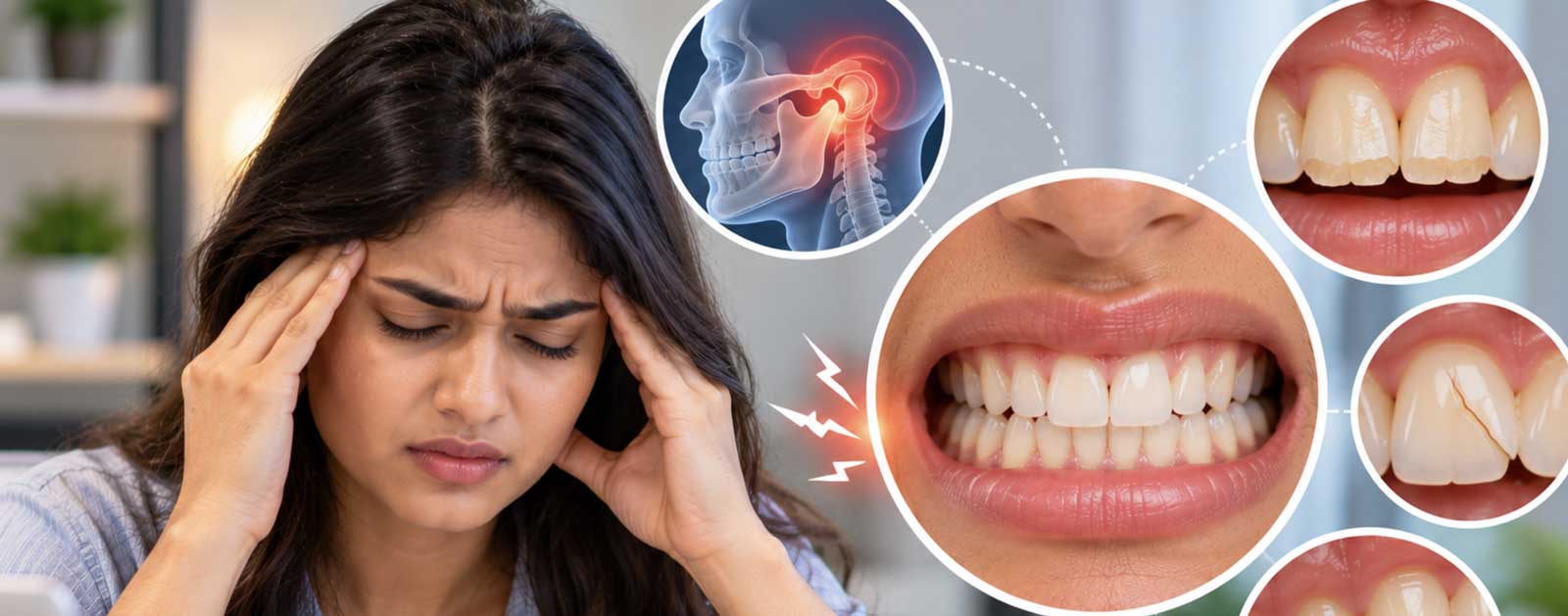
Stress is often associated with headaches, fatigue and disturbed sleep, but its effects can extend to your oral health as well. One common condition linked to stress is bruxism, or the involuntary grinding or clenching of teeth. It can occur during the day or while sleeping, often without a person realising it.
Over time, teeth grinding can lead to enamel wear, jaw pain, tooth sensitivity and other dental complications. Understanding the connection between stress and oral health can help you recognise early warning signs and seek timely treatment.
What Is Bruxism?
Bruxism refers to the repeated clenching, grinding or tightening of the jaw muscles. It is generally classified into two types:
- Awake bruxism: Clenching the teeth or tightening the jaw while awake, often during periods of stress, concentration or anxiety.
- Sleep bruxism: Grinding or clenching the teeth during sleep, sometimes accompanied by grinding sounds that a partner may notice.
Although occasional teeth clenching may not cause significant problems, frequent or forceful grinding can place excessive pressure on the teeth, jaw muscles and temporomandibular joints (TMJs).
How Does Stress Contribute to Teeth Grinding?
Stress does not affect everyone in the same way, but it can contribute to bruxism. When people experience anxiety, emotional strain or work-related pressure, they may unconsciously tighten their jaw muscles or clench their teeth.
Stress can also disrupt sleep, which may be associated with sleep bruxism. Other contributing factors include certain medications, caffeine, alcohol, smoking and sleep-related conditions.
Identifying the factors contributing to teeth grinding is important because effective management may require more than treating the teeth alone.
6 Ways Teeth Grinding Can Affect Your Oral Health
1. Worn Tooth Enamel
Tooth enamel is the hard outer layer that protects your teeth. Repeated grinding creates friction between the upper and lower teeth, gradually wearing down this protective surface.
As enamel wears away, teeth may become more vulnerable to sensitivity, damage and decay. Advanced wear can also alter the natural shape of the teeth.
2. Tooth Sensitivity and Pain
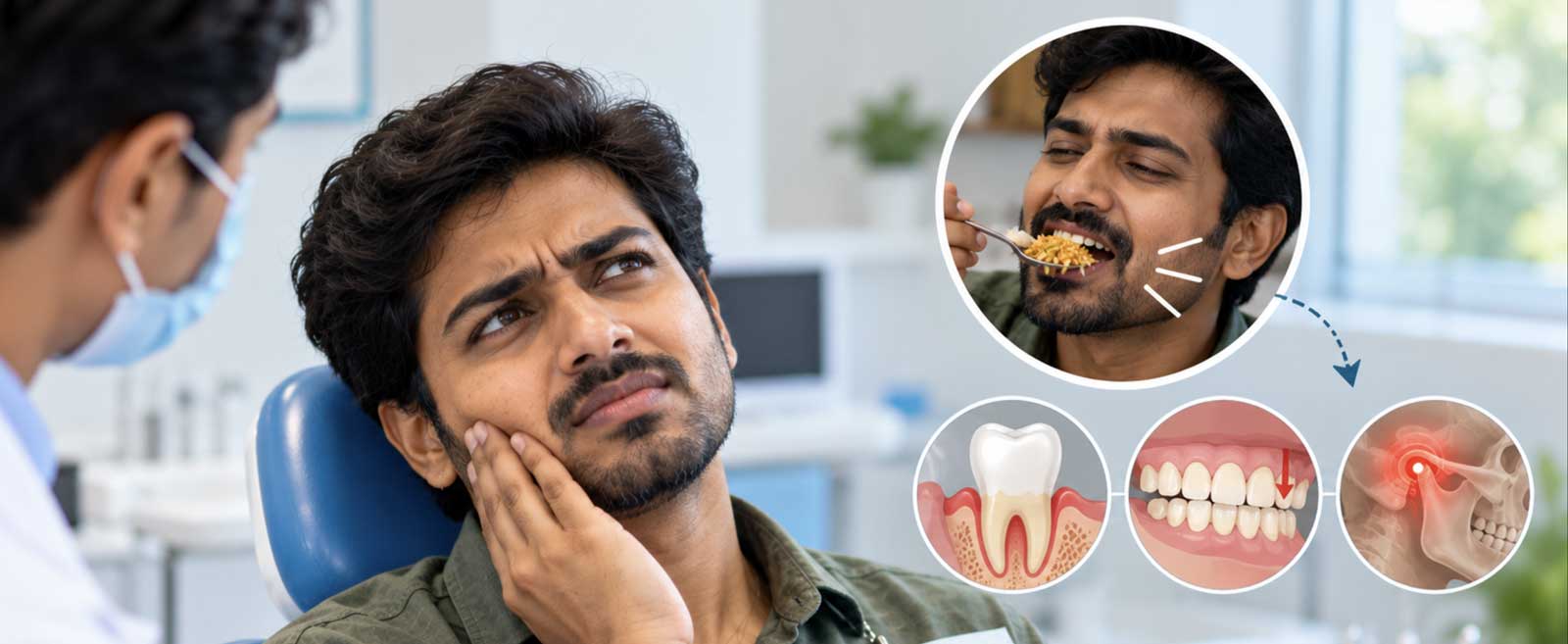
Grinding places repeated pressure on the teeth, which can irritate the tissues inside them and contribute to sensitivity. You may experience discomfort when consuming hot, cold or sweet foods and beverages.
In more severe cases, excessive grinding can cause cracks, fractures or damage to existing dental restorations, potentially requiring restorative treatment.
3. Jaw Pain and Muscle Fatigue
The jaw muscles work hard when you repeatedly clench or grind your teeth. This can lead to muscle fatigue, tenderness and pain around the cheeks, temples or jaw.
Some people also experience difficulty or discomfort when opening their mouths, particularly in the morning after a night of grinding.
4. Temporomandibular Joint (TMJ) Problems
The temporomandibular joints connect the lower jaw to the skull and help you chew, speak and open your mouth. Excessive clenching and grinding can aggravate the jaw muscles and may contribute to symptoms associated with temporomandibular disorders.
Possible symptoms include jaw tenderness, clicking or popping sounds, restricted movement and discomfort while chewing. However, these symptoms can have several causes and do not necessarily indicate bruxism.
5. Headaches and Facial Discomfort
Frequent teeth grinding can overwork the jaw muscles, contributing to headaches, particularly around the temples. Some people experience facial soreness or a feeling of tightness around the jaw after waking up.
If headaches occur alongside jaw pain, tooth sensitivity or signs of grinding, a dental evaluation can help determine whether bruxism may be contributing to the problem.
6. Damage to Dental Restorations
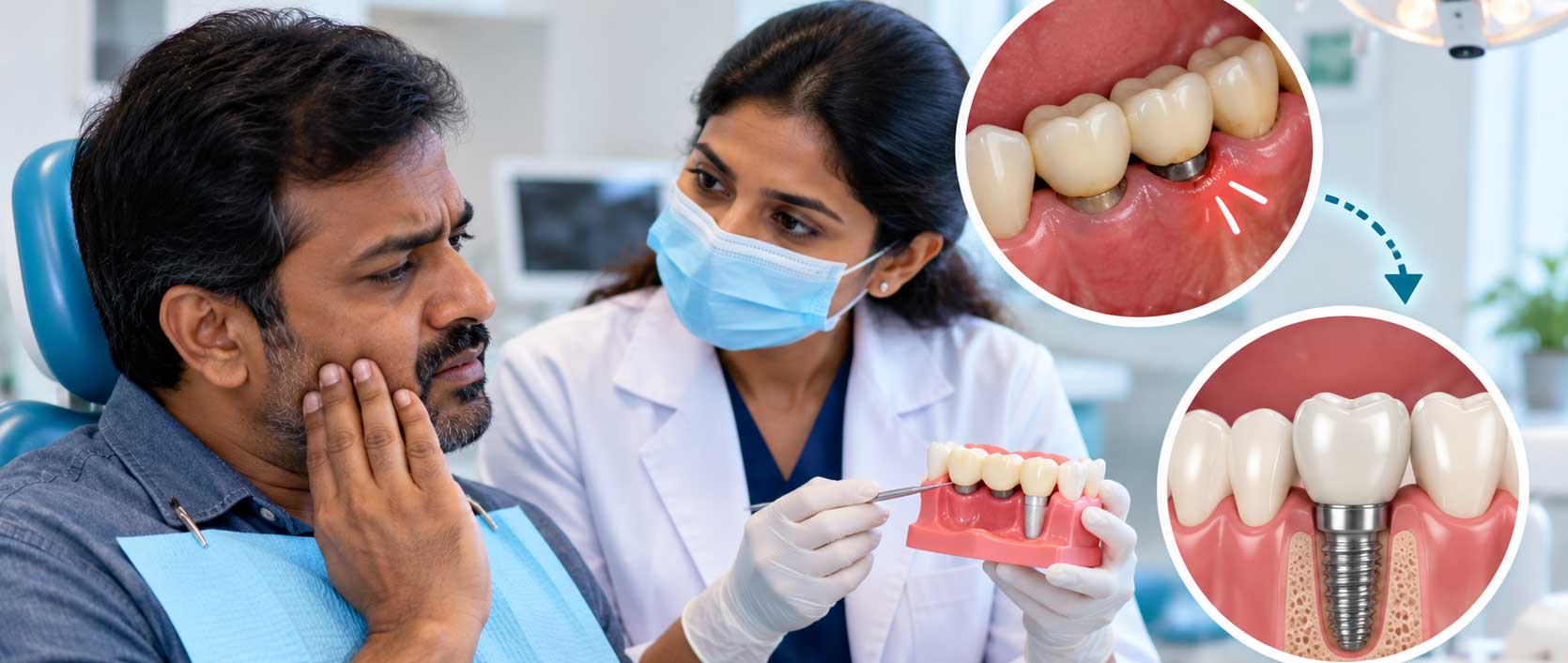
Crowns, bridges, fillings and other dental restorations are designed to withstand normal chewing forces. Persistent grinding can subject them to excessive pressure, increasing the risk of chipping, loosening or fracture.
People with dental implants may also experience excessive loading of the implant-supported restoration. A dentist can assess the condition of the restoration and recommend appropriate protective measures where necessary.
Signs You May Be Grinding Your Teeth
Teeth grinding can occur without obvious symptoms, especially during sleep. Watch for these common warning signs:
- Flattened, chipped or worn-down teeth
- Increased tooth sensitivity without an obvious cause
- Jaw stiffness or soreness after waking up
- Frequent headaches around the temples
- Tenderness in the facial muscles
- Clicking or discomfort around the jaw joints
- Reports from a sleeping partner of grinding sounds at night
These symptoms can have other causes, so they should not be used to diagnose bruxism on their own. A dental examination can help identify tooth wear, muscle tenderness and other relevant signs.
How Can You Protect Your Teeth From Grinding?
Managing bruxism involves reducing contributing factors, protecting the teeth and addressing any damage that has already occurred.
Manage Stress Effectively
Relaxation techniques such as deep breathing, meditation, gentle exercise and regular breaks may help reduce stress-related jaw clenching. If you notice yourself clenching your teeth during work or other activities, consciously relax your jaw and keep your teeth slightly apart when you are not eating.
Improve Your Sleep Routine
Maintain a consistent sleep schedule and create a relaxing bedtime routine. Reducing caffeine, particularly later in the day, and avoiding alcohol near bedtime may also help some people. Persistent sleep problems or symptoms of sleep apnoea warrant medical evaluation.
Consider a Custom-Fitted Night Guard
A dentist may recommend a custom-fitted occlusal splint or night guard to protect the teeth from grinding-related damage. Although it may not eliminate bruxism itself, it can help reduce tooth wear and protect dental restorations.
Avoid choosing a night guard without professional advice if you have significant jaw pain or other symptoms, as the appropriate appliance depends on your individual needs.
Avoid Habits That Strain the Jaw
Avoid chewing on hard objects such as pens, biting your nails or using your teeth to open packaging. If your jaw is sore, temporarily choosing softer foods may help reduce discomfort while you arrange a dental assessment.
Seek Professional Dental Care
If grinding is frequent, your teeth are becoming sensitive or you experience persistent jaw pain, consult a dentist. Treatment may involve monitoring tooth wear, repairing damaged teeth, recommending a protective appliance or investigating other contributing factors.
Do not ignore persistent pain or assume that stress is the only cause of your symptoms.
When Should You Visit a Dentist?
Occasional clenching may not require treatment, but repeated grinding deserves attention when it causes symptoms or threatens your teeth.
Schedule a dental appointment if you notice progressive tooth wear, unexplained sensitivity, cracked teeth, recurring morning headaches or persistent jaw discomfort. Seek prompt care if you develop significant difficulty opening your mouth, severe pain or a suspected tooth fracture.
Early assessment can help prevent minor problems from progressing into more complex dental concerns.
Protect Your Oral Health With Timely Dental Care at Maeoris Dental
Stress management is important for overall well-being, but protecting your oral health also requires recognising the physical effects of habits such as teeth grinding. With early diagnosis and an appropriate treatment plan, many complications associated with bruxism can be managed effectively.
At Maeoris Dental Clinic, patients can receive professional dental assessment to identify signs of tooth wear, evaluate jaw-related symptoms and explore suitable treatment options. If you are looking for the best dental clinic in Madurai or Dindigul, a timely dental consultation can help you understand your symptoms and protect your long-term oral health.
Your teeth are designed to last a lifetime. Recognising the effects of stress and teeth grinding early can help you protect them for years to come.
Disclaimer: This article is for general educational purposes and is not a substitute for professional dental or medical advice.