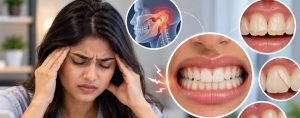

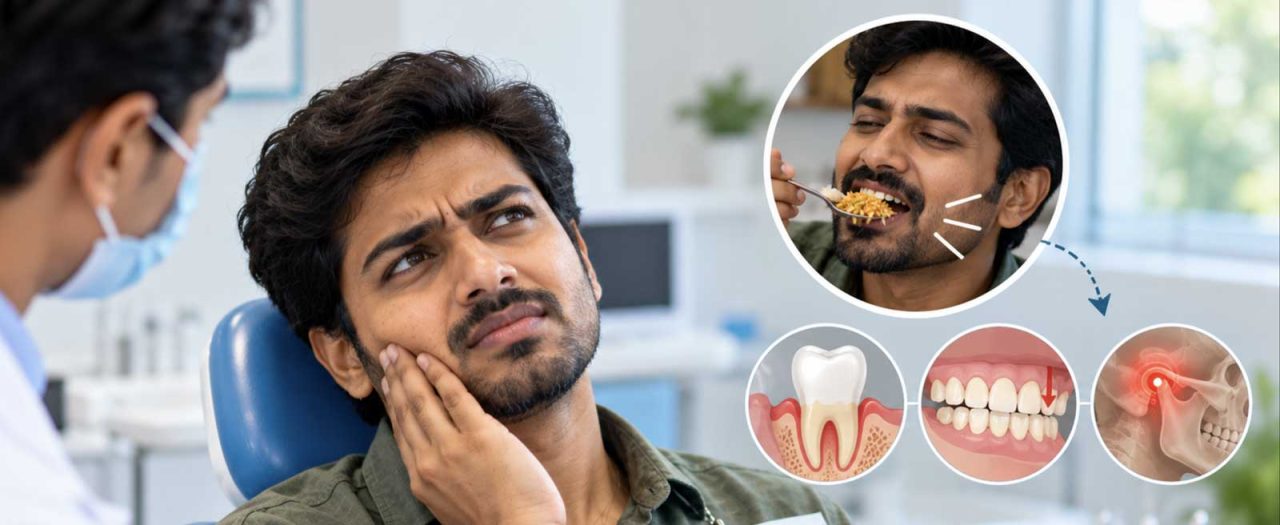
Chewing on one side of the mouth may seem like a harmless habit, especially if you have been doing it for years. However, consistently favouring one side while eating can place uneven stress on your teeth, gums, jaw muscles and temporomandibular joint (TMJ). Over time, this may contribute to dental wear, jaw discomfort and other oral health concerns.
At Maeoris Dental Clinic, a leading choice for patients seeking the best dental clinic in Madurai and Dindigul, we emphasise the importance of identifying everyday habits that can affect long-term dental problems. Understanding why one-sided chewing occurs is the first step towards preventing potential complications.
What Causes One-Sided Chewing?
People may develop a preference for chewing on one side for several reasons. Sometimes, it is simply a habit formed over time. In other cases, it may indicate an underlying dental problem that needs attention.
Common causes include:
- Tooth pain or sensitivity: Cavities, cracked teeth or sensitivity may make chewing on one side uncomfortable.
- Missing teeth: Gaps in the dental arch can make chewing less efficient on one side.
- Damaged dental restorations: A poorly fitting crown, bridge or filling may affect how the teeth come together.
- Gum disease: Inflamed or tender gums can make chewing uncomfortable.
- Bite misalignment: An uneven bite may cause a person to favour one side while eating.
- Jaw joint discomfort: TMJ-related symptoms may lead to changes in chewing patterns.
If you regularly chew on only one side, it is important to determine whether the habit is caused by discomfort, a bite problem or another dental concern.
6 Long-Term Dental Problems Associated with One-Sided Chewing
1. Uneven Tooth Wear
Chewing repeatedly on the same side exposes those teeth to more frequent functional loading. Depending on the intensity of chewing, bite alignment and other factors, this may contribute to uneven tooth wear.
Excessive wear can gradually affect the shape of the teeth and, in some cases, increase sensitivity or compromise the integrity of the tooth structure.
2. Jaw Muscle Strain and Discomfort
The muscles responsible for chewing work together to move the lower jaw. Consistently favouring one side may alter how these muscles are recruited during eating.
Some people may experience muscle fatigue, tenderness around the jaw or discomfort while chewing. However, one-sided chewing does not automatically cause jaw disorders, and these symptoms can have several underlying causes.
3. Temporomandibular Joint (TMJ) Problems
The temporomandibular joints connect the lower jaw to the skull and help facilitate speaking, chewing and other jaw movements.
When chewing patterns are altered because of pain, bite problems or other oral conditions, the distribution of forces across the jaw may also change. This can sometimes coexist with TMJ symptoms, including clicking, stiffness or discomfort when opening the mouth.
Persistent symptoms should be evaluated by a dentist rather than attributed to chewing habits alone.
4. Increased Plaque Accumulation on the Less-Used Side
The side you use less for chewing may receive less mechanical cleaning from food movement. However, chewing is not a substitute for brushing and flossing, and there is limited evidence that one-sided chewing alone directly causes plaque accumulation on the opposite side.
Both sides of the mouth require equal attention during daily oral hygiene. Plaque left undisturbed can contribute to tooth decay and gum disease, regardless of which side you use to chew.
5. Difficulty Maintaining Balanced Chewing Function
Chewing involves coordinated movement of the teeth, jaw joints and muscles. A persistent preference for one side may reflect an underlying problem that interferes with this coordination.
For example, a missing tooth or an uneven bite may make chewing on one side more comfortable than the other. If the cause remains untreated, the person may continue to experience difficulty chewing certain foods efficiently.
A dental assessment can help identify the reason behind this imbalance and determine whether treatment is necessary.
6. Delayed Detection of Underlying Dental Problems
One of the most important concerns is that one-sided chewing can mask an existing dental issue.
If you avoid chewing on a particular side because of pain, you may become accustomed to the habit without addressing its cause. A cavity, cracked tooth, gum problem or damaged restoration could continue to progress while the discomfort is temporarily avoided.
Identifying the cause early can help prevent the problem from becoming more complicated and may reduce the need for extensive treatment.
Is Chewing on One Side Always Harmful?
No. Occasionally chewing more on one side is normal, and temporary one-sided chewing may be necessary after dental treatment or during recovery from an oral injury.
The concern arises when the habit becomes persistent, particularly when it is accompanied by pain, sensitivity, difficulty chewing or jaw discomfort.
Rather than forcing yourself to chew on both sides, it is better to identify why you prefer one side in the first place. If a dental condition is responsible, treating it is more important than simply changing your chewing pattern to stop long-term dental problems.
How Can You Prevent Problems Caused by One-Sided Chewing?
A few practical steps can help you maintain better oral health:
- Schedule a dental examination: Have persistent one-sided chewing assessed by a dentist to identify possible causes.
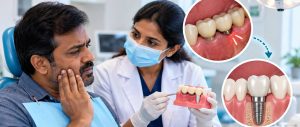
- Address missing teeth: Depending on your oral health and clinical needs, suitable replacement options may include dental implants or bridges.
- Treat tooth decay and damage early: Cavities, cracked teeth and faulty restorations should be evaluated before they cause further discomfort.
- Maintain good oral hygiene: Brush twice daily with fluoride toothpaste and clean between your teeth every day.
- Pay attention to jaw symptoms: Seek dental advice if you experience recurring pain, clicking accompanied by discomfort, locking or restricted jaw movement.
- Avoid forcing a change in chewing habits: If one side hurts, do not continue chewing on it just to distribute the load. Have the discomfort evaluated first.
When Should You Visit a Dentist?
Consider booking a dental consultation if you notice any of the following:
- You consistently chew on only one side of your mouth.
- One side of your mouth hurts when you eat.
- You have difficulty chewing hard or firm foods.
- Your jaw feels tired, stiff or uncomfortable during meals.
- You have missing teeth or a damaged crown, bridge or filling.
- Your teeth do not seem to meet comfortably when you bite.
Early evaluation can help identify the underlying cause and guide appropriate treatment.
Protect Your Long-Term Oral Health with Maeoris Dental
Healthy chewing depends on the coordinated function of your teeth, gums, jaw muscles and joints. While chewing on one side does not necessarily lead to long-term dental problems, a persistent preference may be a sign of an underlying dental problem that should not be ignored.
At Maeoris Dental, patients receive dental care guided by clinical assessment and appropriate treatment planning. Whether the concern involves tooth decay, missing teeth, bite alignment or discomfort while chewing, identifying the cause is essential to maintaining long-term oral health.
If you have been searching for the best dental clinic in Madurai or the best dental clinic in Dindigul, consider scheduling a dental check-up if one-sided chewing has become a regular habit.
Book a dental consultation at Maeoris Dental Clinic to understand your chewing concerns and explore suitable treatment options for a healthier smile. Book an appointment today.