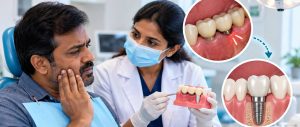

Many people visit a dentist only when they experience tooth pain, sensitivity, swelling, or another noticeable problem. But no pain does not always mean healthy teeth and gums. Several dental conditions can develop silently and may only become noticeable after they have progressed.
Regular dental check-ups allow problems to be identified early, often before they cause discomfort or require more complex treatment. From detecting early cavities and gum disease to monitoring existing restorations and checking your overall oral health, preventive dental visits are an important part of maintaining a healthy smile.
If you are looking for the best dental clinic in Madurai or the best dental clinic in Dindigul for preventive and comprehensive dental care, understanding the importance of routine dental examinations is a good place to start. Maeoris Dental Clinic explains this for you.
Why Do You Need a Dental Check-Up If Nothing Hurts?
Tooth pain is usually a symptom, not an early warning system.
Cavities, gum disease, enamel wear, bone loss and other dental conditions can progress without causing noticeable symptoms in their initial stages. By the time pain develops, the problem may already require more extensive treatment.
A routine dental examination helps your dentist look beyond what you can feel and identify changes that may otherwise go unnoticed.
1. Cavities Can Develop Without Pain
Dental decay does not always cause immediate sensitivity or pain. Early-stage cavities may be completely symptom-free.
During a dental check-up, your dentist can examine your teeth for signs of decay and assess areas that may be difficult to identify at home. Depending on your oral condition, dental X-rays may also be recommended to detect decay between teeth or beneath existing restorations.
Early detection can mean a simpler restoration rather than waiting until the decay reaches deeper layers of the tooth.
2. Gum Disease Can Be Silent
Gum disease is another condition that can progress without significant pain.
Early gum disease may present as:
- Bleeding while brushing or flossing
- Red or swollen gums
- Persistent bad breath
- Gum tenderness
- Gum recession
However, some people may have little or no noticeable symptoms.
If gum disease progresses, it can affect the tissues and bone supporting the teeth, potentially leading to tooth mobility and tooth loss. Regular dental examinations and professional cleaning can help detect and manage gum problems before they become more advanced.
3. Your Dentist Can Detect Problems You May Not Notice
You see your teeth every day, but some dental changes are difficult to identify without a professional examination.
A dentist can assess:
- Tooth decay
- Gum health
- Plaque and tartar accumulation
- Tooth wear and enamel damage
- Cracks or fractures
- Existing fillings, crowns and bridges
- Bite and tooth alignment
- Signs of grinding or clenching
- Changes in the supporting bone and oral tissues
This makes a routine dental visit more than just a search for cavities.
4. Existing Dental Work Also Needs Monitoring
Fillings, crowns, bridges, veneers and implant-supported restorations are designed to function for years, but they still require regular monitoring.
Over time, restorations can experience wear, marginal changes, fractures or problems with the surrounding teeth and gums. Regular examinations allow your dentist to identify such changes and recommend appropriate intervention when necessary.
For patients with dental implants, routine follow-ups are particularly important for monitoring the health of the gums and bone around the implant as well as the condition of the prosthetic restoration.
5. Professional Cleaning Helps Control Plaque and Tartar
Brushing and flossing are essential for daily oral hygiene, but they cannot always remove hardened tartar.
Professional dental cleaning can help remove accumulated deposits from areas that are difficult to clean effectively at home. Your dentist can also guide you on brushing technique, flossing, interdental cleaning and other personalised oral hygiene measures.
The goal is not simply to clean your teeth during a visit, but to help you maintain better oral health between appointments.
6. Regular Visits Can Help Prevent Tooth Loss
Tooth loss is not always caused by sudden trauma or severe decay. Gum disease, untreated cavities, fractures and other dental problems can gradually compromise a tooth.
Preventive dental care focuses on identifying these problems early and preserving natural teeth whenever possible.
A regular check-up can therefore be an important part of a long-term strategy for maintaining your natural teeth.
7. Children and Teenagers Benefit From Regular Monitoring Too
Regular dental examinations are not only for adults.
For children and teenagers, dental visits can help monitor:
- Tooth eruption
- Jaw and facial development
- Oral hygiene
- Cavities
- Bite and alignment
- Habits that may affect dental development
Early identification of alignment or bite-related concerns can also help determine whether orthodontic evaluation may be beneficial.
8. Your Dental Check-Up Is Also a Preventive Assessment
A comprehensive dental visit is about more than treating an existing problem. It is an opportunity to assess your current oral health and identify potential risks.
Your dentist may recommend preventive measures based on factors such as:
- Your cavity risk
- Gum health
- Oral hygiene
- Diet and lifestyle
- Existing dental restorations
- Previous dental treatments
- Age and stage of dental development
This allows dental care to become more proactive rather than simply reactive.
How Often Should You Visit the Dentist?
There is no single interval that is appropriate for everyone.
Some people may benefit from dental examinations every six months, while those with a higher risk of cavities, gum disease, dental complications or other oral health concerns may require more frequent visits.
Your dentist can recommend a recall schedule based on your individual oral health rather than following a fixed timetable.
What Happens During a Routine Dental Check-Up?
Depending on your needs, a dental examination may include:
- Clinical examination – Your teeth, gums and other oral tissues are examined.
- Assessment of existing dental work – Fillings, crowns, bridges or implant restorations may be evaluated.
- Gum assessment – Your dentist checks for signs of inflammation, recession or periodontal problems.
- Evaluation of your bite – Your dentist may assess tooth contact, alignment and signs of excessive wear.
- X-rays when required – Radiographs may be recommended when areas cannot be adequately assessed through a clinical examination alone.
- Professional cleaning – Scaling or other preventive procedures may be advised when necessary.
- Personalised guidance – Your dentist can recommend appropriate oral hygiene and preventive measures.
Not every patient requires every procedure at every visit. Your dental care should be based on your individual needs.
Don’t Wait for Tooth Pain to Visit the Dentist
One of the biggest misconceptions about dental health is that a person only needs treatment when something hurts.
In reality, preventive dentistry aims to identify problems before they become painful, extensive or more difficult to manage.
A small cavity may be easier to restore than a tooth with extensive decay. Early gum disease may be easier to control than advanced periodontal disease. A minor problem with a restoration may be easier to address before it affects the underlying tooth.
Regular dental check-ups give you the opportunity to stay ahead of these problems.
Choose Preventive Dental Care at Maeoris Dental Clinic
At Maeoris Dental Clinic, our approach combines preventive care with comprehensive diagnosis and modern digital dentistry. With advanced diagnostic and treatment technologies, dental conditions can be evaluated with greater precision and appropriate treatment can be planned based on individual needs.
Whether you need a routine dental examination, professional cleaning, restorative treatment, orthodontic assessment or implant-related follow-up, regular monitoring plays an important role in maintaining long-term oral health.
If you are searching for the best dental clinic in Madurai or the best dental clinic in Dindigul, make preventive dental care part of your oral health routine.
Healthy teeth should not need to hurt before they receive attention. Schedule a dental check-up and stay ahead of potential problems.
Frequently Asked Questions
1. Do I need a dental check-up if my teeth feel completely fine?
Yes. Several dental conditions, including early cavities and gum disease, may not cause noticeable symptoms. Routine examinations help identify these problems early.
2. How often should I have a dental check-up?
The ideal frequency depends on your oral health and risk factors. Your dentist can recommend a personalised follow-up schedule.
3. Can a dentist detect cavities before they cause pain?
Yes. A clinical examination and, when necessary, dental X-rays can help identify cavities before they cause significant symptoms.
4. Is professional teeth cleaning necessary if I brush twice a day?
Daily brushing and interdental cleaning are essential, but hardened tartar may require professional removal. Your dentist can determine whether professional cleaning is needed.
5. Are regular check-ups important after getting dental implants?
Yes. Regular follow-ups help monitor the tissues around the implant and the condition and function of the implant-supported restoration.
6. What is the difference between preventive and emergency dental care?
Preventive dental care focuses on maintaining oral health and identifying problems early. Emergency care addresses urgent issues such as severe pain, trauma, swelling or infection.