
Missing Teeth Are More Than a Cosmetic Problem
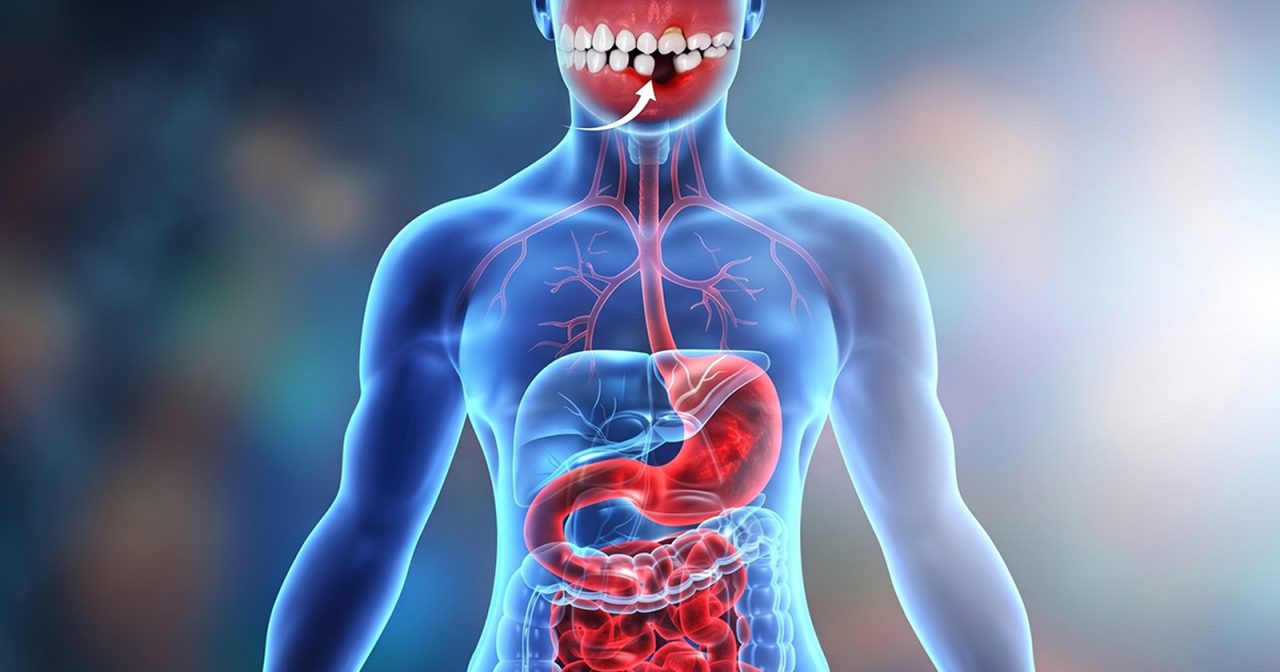
Most people associate missing teeth with changes in appearance or difficulty smiling confidently. However, the impact of tooth loss extends far beyond aesthetics. Missing teeth can significantly affect your ability to chew food properly, which in turn influences digestion, nutrition, and overall health.
At Maeoris Dental Clinic, recognised by many patients as one of the best dental clinics in Madurai and Dindigul, we often see individuals who are unaware of how untreated tooth loss can contribute to digestive issues and nutritional deficiencies.
The Role of Teeth in Digestion
Digestion begins in the mouth, and a significant part of the digestive process depends on proper chewing. Your teeth break food into smaller particles while mixing it with saliva, preparing it for efficient digestion further down the digestive tract.
Saliva contains important digestive enzymes that begin breaking down carbohydrates even before food reaches the stomach. Thorough chewing allows food to mix properly with saliva, helping the body process nutrients more effectively.
Proper chewing:
- Makes food easier to swallow
- Allows food to mix thoroughly with saliva and digestive enzymes
- Supports better nutrient absorption
- Helps regulate the speed at which carbohydrates are digested, potentially reducing sudden blood sugar spikes
- Reduces the workload on the stomach and intestines
- Promotes smoother and more efficient digestion
When teeth are missing, food is often swallowed in larger pieces without adequate chewing. This can reduce the effectiveness of the digestive process, place additional strain on the digestive system, and affect the body’s ability to extract nutrients efficiently from food.
How Missing Teeth Affect Chewing Efficiency
Each tooth has a specific function.
- Front teeth help bite and cut food.
- Premolars crush food.
- Molars grind food thoroughly before swallowing.
When teeth are missing, chewing becomes uneven and inefficient. Many people begin chewing on only one side of the mouth or avoid certain foods altogether.
As a result:
- Food enters the digestive tract in larger pieces.
- Digestion becomes less efficient.
- The stomach must work harder to process food.
- Patients may experience bloating, discomfort, or indigestion.
Nutritional Problems Caused by Missing Teeth
People with missing teeth often unconsciously change their eating habits. Instead of eating foods that require proper chewing, they tend to choose softer and more processed options.
Commonly avoided foods include:
- Fresh fruits
- Raw vegetables
- Nuts and seeds
- Lean meats
- High-fibre foods
Over time, this can lead to deficiencies in essential nutrients such as:
Protein
Protein is vital for muscle maintenance, tissue repair, and immunity. Difficulty chewing meat often results in lower protein intake.
Fibre
Fibre supports digestive health and helps regulate blood sugar levels. Avoiding fruits and vegetables can reduce daily fibre consumption.
Vitamins and Minerals
Many nutrient-rich foods require proper chewing. Missing teeth may lead to inadequate intake of:
- Vitamin C
- Vitamin A
- Iron
- Calcium
- Magnesium
These deficiencies can affect overall health and well-being.
The Hidden Health Risks of Tooth Loss
The effects of poor nutrition caused by missing teeth may contribute to:
- Weight fluctuations
- Reduced immunity
- Fatigue
- Digestive discomfort
- Increased risk of chronic health conditions
- Poor quality of life
Studies have consistently shown a strong relationship between oral health and overall systemic health.
Why Replacing Missing Teeth Matters
Many people delay treatment because they can still manage daily activities. However, tooth loss is progressive. When a tooth is lost:
- Jawbone begins to shrink.
- Adjacent teeth start shifting.
- Bite alignment changes.
- Chewing efficiency continues to decline.
The longer treatment is postponed, the more complex the restoration process can become.
Dental Implants: The Closest Replacement to Natural Teeth
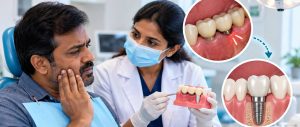
Dental implants are widely considered the gold standard for replacing missing teeth. Unlike removable dentures, implants:
- Restore natural chewing ability
- Help preserve jawbone
- Prevent neighbouring teeth from shifting
- Improve speech and comfort
- Support better nutrition and digestion
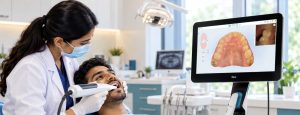
At Maeoris Dental Clinic, advanced digital implant planning allows highly precise implant placement, helping patients regain the ability to enjoy a full range of healthy foods again.
Advanced Digital Implant Dentistry at Maeoris Dental
Maeoris Dental combines experience with cutting-edge technology to deliver predictable implant outcomes.
Our digital workflow includes:
- CBCT-based 3D diagnosis
- Digital implant planning
- X-Guide dynamic navigation surgery
- Intraoral scanning
- Advanced photogrammetry for full-arch restorations
- In-house CAD-CAM prosthetic solutions
This technology-driven approach enables accurate treatment planning and long-term implant success.
Why Patients Choose Maeoris Dental
Patients searching for the best dental clinic in Madurai and the best dental clinic in Dindigul often seek expertise, technology, and proven results.
With decades of experience in implant dentistry, advanced digital workflows, and thousands of successfully placed implants, Maeoris Dental provides comprehensive solutions for:
- Single missing teeth
- Multiple missing teeth
- Full-mouth rehabilitation
- Severe bone loss cases
- Zygomatic implant treatment
Don’t Let Missing Teeth Affect Your Health
Missing teeth do more than change your smile. They can affect how you eat, digest food, and maintain proper nutrition.
If you have one or more missing teeth, early treatment can help restore oral function, protect your health, and improve your quality of life.
Book a consultation with Maeoris Dental Clinic today and discover how modern digital implant dentistry can help you eat, smile, and live with confidence again.